
Article
95 Years of the Maritime Arbitration Commission: a Legacy Shaped by Its People
Jurist, Bankruptcy practice
This article aims not only to trace the key milestones in the evolution of the MAC, but also to restore the thread of time through the biographies of those who shaped its work, the chairmen, their deputies, and members of the earliest panels. The article focuses primarily on the initial and highly significant period of the MAC’s formation in the 1930s, during which its core principles were laid down. Marked by tensions between the pragmatic demands of foreign trade and a harsh political reality, this period left an indelible mark on the fates of many arbitrators.
The study is based on a wide range of sources, foremost among which are the fundamental works of A.I. Muranov, who was the first to collect and systematise unique archival material. In addition, archival documents from the Russian State Archives of Economics and Socio-Political History, the State Archives of the Russian Federation, and regional archives (in particular, the Murmansk region) were used, including materials from the All-Union Chamber of Commerce (AUCC) and archival investigation files. Personal sources also played a significant role in preparing this material and recreating a more comprehensive picture of the era, including the recollections of relatives and colleagues, periodical publications, information and photographs held in regional museum collections, and data from thematic internet resources.
At the same time, the author is aware that many pages of the history of the MAC, especially those concerning the personnel for certain periods, are still awaiting further research due to the fragmentary nature of the surviving records.
By referring to the historical context and biographical details, this study seeks to show how the body of domestic maritime arbitration was formed in unforgiving circumstances and why its current state is inseparable from the lessons learned in the past. This article is an attempt to pay tribute to the pioneers of the MAC and to reflect on the Сommission’s 95th anniversary not simply as a milestone to be celebrated, but as a moment for profound historical reflection.
The MAC at the Chamber of Commerce and Industry (CCI) of the Russian Federation is rightly considered one of the oldest maritime arbitration tribunals in the world. Its history dates to 13 December 1930, when the Central Executive Committee and the Council of People’s Commissars (CPC) of the USSR adopted the Regulations on the MAC, which is considered the official date of its establishment. Initially, the Commission was established under the All-Union Foreign Chamber of Commerce (AFCC) as a specialised arbitration court for resolving disputes related exclusively to maritime disputes. Over time, its jurisdiction has expanded significantly, now covering a wide range of issues, from carriage, chartering, and marine insurance to ship management, vessel repair, and fishing.
The origins of the MAC date back to an earlier period, when the initiative to establish it came from the Commission on Maritime Law and Practice under the AFCC (hereinafter, the Commission on Maritime Law), which began operating on 1 March 1929. It was its members, including future members and leaders of the MAC, who insisted on the need for a specialised arbitration court and formed a subcommittee to develop a corresponding project, thus playing a key role in the institutionalisation of maritime arbitration in the USSR.
Over the decades since its founding, the MAC has come a long way. Since 1999, it has been a member of the International Federation of Commercial Arbitration Institutions, and since 2017 it has been operating under new rules. The Commission’s panel of arbitrators is made up of leading experts in the field of maritime law: renowned scholars, distinguished legal practitioners, and deep-sea masters. Consequently, for those engaged in international commercial shipping, an arbitration clause in favour of the MAC ensures impartial and highly professional proceedings in an internationally recognised arbitration centre with a ninety-five-year legacy of authority and continuity.
In an effort to re-establish the thread of time and trace the formation of the MAC’s authority, we turn to the lives of its earliest arbitrators. A central place in this study is given to the biographies of key figures whose work in the 1930s shaped the Commission’s subsequent development.
Chairmen of the Maritime Arbitration Commission
● Lengiel, Yuli Osipovich, born in 1888, executed in 1938, rehabilitated in 1956; ● Krechetov, Mikhail Mikhailovich, born in 1901; ● Povalishin, Boris Nikolaevich, born in 1907; ● Keilin, Alexander Davydovich (1894–1970).
Deputy Chairmen of the Maritime Arbitration Commission
● Sergeev, Ignaty Antonovich, born in 1880, executed in 1937, rehabilitated in 1956; ● Danishevsky, Karl-Yuli (German) Khristianovich, born in 1884, executed in 1938, rehabilitated in 1956; ● Ovsyannikov, Nikolai Nikolaevich (1884–1941); ● Medvedev, V. F.; ● Shpektorov, Anton Ionovich, born in 1904; ● Petrov, M. K.; ● Maslov, Georgy Alexandrovich (1925–1997); ● Saveliev, Alexander Alexandrovich (1916–1983).
First Arbitrators of the Maritime Arbitration Commission
● Avsov, Yuri Alexandrovich, born in 1888, executed in 1938, rehabilitated in 1957; ● Ambrozhis, Boleslav Vikentievich, born in 1892, executed in 1938, rehabilitated in 1956; ● Aralov, Semen Ivanovich (1880–1969); ● Begge, Karl Mikkelovich, born in 1884, executed in 1938, rehabilitated in 1956; ● Bitker, German Samoilovich (Solomonovich, Samuilovich), born in 1895, executed in 1937, rehabilitated in 1956; ● Vinogradov, Pyotr Porfiryevich; ● Golenishchev-Kutuzov, Dmitry Ivanovich, born in 1885, executed in 1938, rehabilitated in 1957; ● Kolbin, Ivan Nikolaevich (1893–1952); ● Lyakhnitsky, Valerian Evgenievich (1885–1960); ● Makovetskaya (Kandelaki), Elena Nesterovna, born in 1888, executed in 1937, rehabilitated in 1959; ● Neifeld, Lev Borisovich, born in 1896, executed in 1937, rehabilitated in 1959; ● Pergament, Mikhail Yakovlevich (1866–1932); ● Rabinovich, Isaak Savelievich (1893–1954), rehabilitated in 1955; ● Rabinovich, Philip Yakovlevich, born in 1885, executed in 1937, rehabilitated in 1956; ● Raevich, Sergei Ivanovich, born in 1893, executed in 1939, no records of rehabilitation have been found; ● Reichel, Mikhail Osipovich (Iosifovich) (1880–1954); ● Rozental, Eduard Fritsevich (Fritsovich), born in 1888, executed in 1938, rehabilitated in 1956; ● Samoilovich, Rudolf (Ruvim, Nikolai, Reuven) Lazarevich, born in 1881, executed in 1939, rehabilitated in 1957; ● Friedrichson (Fridrikson), Lev Khristianovich, born in 1889, executed in 1937, rehabilitated in 1956; ● Egge (Eggi, Yoggi, Yigi), Karl Pavlovich (1893–1958).
The Historical Imperative Behind the Creation of the MAC
The expansion of foreign trade and the rapid growth of the Soviet fleet, accompanied by the increasing use of foreign vessels, brought to the fore the need for the USSR to create its own specialised arbitration body capable of resolving disputes in this this field.
Moreover, as sources from that period show, the monopoly of arbitration by the Lloyd's Committee in London led to the vast majority of cases concerning salvage reward at sea being heard there, regardless of the location of the incident or the nationality of the ships. At the same time, with the growing participation of the Soviet merchant fleet in international shipping, cases in which Soviet vessels rendered assistance to foreign ships became more frequent. While such incidents occurred most often in Soviet territorial waters, they were also not uncommon in foreign waters and on the high seas. Where Soviet vessels acted as salvors, it was considered unreasonable to refer disputes over the amount of the salvage award to arbitration outside the USSR.1
Soviet organisations likewise objected the practice having disputes heard in the arbitral tribunals what were then referred to as “capitalist countries,” given the length, complexity and high cost of such proceedings, as well as, in some instances, biased treatment of cases involving Soviet parties.2 Consideration was also given to the task of ensuring affordable resolution of maritime disputes3 by reducing costs in foreign currency, which was in light of the industrialisation4 then under way.
In this way, the creation of the MAC emerged naturally from the increasing influence and presence of the Soviet fleet in international merchant shipping, its primary aim being to offer an alternative to foreign arbitral institutions.
At the same time, the establishment of the MAC provoked a negative reaction from interested circles in maritime capitalist countries. For example, in July 1932, the British Chamber of Shipping published a resolution in the British shipowners' publication Shipping World, protesting against the “arbitrary” actions of the Soviet government, which it accused of “imposing” its salvage contract in departure from “generally accepted maritime practice.”5 To counter Lloyd's monopoly, whose main tool was its standard salvage agreement with arbitration in London, the MAC developed its own standart-form Soviet salvage agreement. Its goal was to replace Lloyd's contract in cases where Soviet ships provided assistance and to refer disputes to the MAC in Moscow for hearing. Shipowners reacted with hostility: the masters of foreign vessels were prohibited from signing MAC contracts, and in 1932 Lloyd's attempted to directly convince the MAC of its uselessness6.
The MAC’s Procedural Origins: from Initial Model to Reform
Initially, the Commission consisted of 15 members appointed for a one-year term by the presidium of the WCTC. The MAC included representatives of shipping, trade, and insurance organisations, as well as experts in merchant shipping, foreign trade, maritime law, and insurance. The members of the Commission elected a chair and two deputies from among their colleagues for the term of their mandate.
The first members of the MAC elected in January 1931 were:
● Lengiel, Yuli Osipovich, born in 1888, executed in 1938, rehabilitated in 1956 (Chairman); ● Sergeev, Ignaty Antonovich, born in 1880, executed in 1937, rehabilitated in 1956 (First Deputy Chairman); ● Danishevsky, Karl Khristianovich, born in 1884, executed in 1938, rehabilitated in 1956 (Second Deputy Chairman); ● Ambrozhis, Boleslav Vikentievich, born in 1892, executed in 1938, rehabilitated in 1956; ● Begge, Karl Mikkelovich, born in 1884, executed in 1938, rehabilitated in 1956; ● Kolbin, Ivan Nikolaevich (1893–1952); ● Lyakhnitsky, Valerian Evgenievich (1885–1960); ● Makovetskaya (Kandelaki), Elena Nesterovna, born in 1888, executed in 1937, rehabilitated in 1959; ● Neifeld, Lev Borisovich, born in 1896, executed in 1937, rehabilitated in 1956; ● Ovsyannikov, Nikolai Nikolaevich (1884–1941); ● Pergament, Mikhail Yakovlevich (1866–1932); ● Raevich, Sergei Ivanovich, born in 1893, executed in 1939, no information on rehabilitation is available; ● Samoilovich, Rudolf Lazarevich, born in 1881, executed in 1939, rehabilitated in 1957; ● Friedrichson, Lev Khristianovich, born in 1889, executed in 1937, rehabilitated in 1956; ● Egge, Karl Pavlovich (1893–1958).
Disputes in the MAC were voluntary; however, the Commission emphasised the need to ensure that all disputes related to the provision of assistance to foreign ships in Soviet waters were considered in the USSR.
It was planned to achieve this by including an arbitration clause in favour of the MAC directly in maritime assistance salvage agreements. To this end, a model Soviet salvage contract was developed, based on the English Salvage Agreement. The emphasis was on ensuring that only such domestic contracts were used in Soviet waters.
Letter from the Salvage Association to the Chairman of the MAC, Y. O. Lengiel7
Letter from the Salvage Association to the Chairman of the MAC, Y. O. Lengiel (cont.)
Letter from the Salvage Association to the Chairman of the MAC, Y. O. Lengiel (cont.)
Letter from the Salvage Association to the Chairman of the MAC, Y. O. Lengiel (final)
As the first chairman of the MAC, Yu. O. Lengiel stated in a reply letter to the Salvage Association established under Lloyd's, “the main difference between the Soviet salvage contract and the Lloyd's contract is that the Soviet salvage contract provides for arbitration by the MAC in Moscow, while the Lloyd's contract provides for arbitration by the Lloyd's Committee in London; the other terms of both contracts are almost identical, and both contracts are based on... the no cure, no pay principle.”8
The arbitral process was centrally organised and placed under the authority of the Chairman of the MAC. He personally appointed the arbitration panel for each case and took all preliminary measures; was promptly informed of all incoming cases and documents submitted by the parties.
The proceedings in the MAC were specific due to the nature of maritime disputes, in particular cases concerning salvage reward. Once salvage operations had been completed, the salvor could seek interim relief. Following the granting of the application, the salvor–claimant filed a claim with the Commission, enclosing a report on the salvage expedition, records on the expenses incurred, and extracts from the ship's logs. A copy of the claim and its attachments were then forwarded to the defendant, who was required to submit explanations within the time limit set by the Chairman (ten days for respondents based in the USSR and thirty days for foreign respondents).
Although the MAC Regulations gave the parties the right to select arbitrators from the list of Commission members, in practice they rarely exercised this option, usually leaving the appointment to the chairman. The parties could also, by mutual agreement, leave the selection of arbitrators to the Commission, in which case the MAC chair could assign the dispute to a single arbitrator. After the arbitration panel was formed, the case was scheduled for a hearing.
The hearings were open and public. They were often attended by those interested in the specific case and in maritime law in general, including students from relevant universities. Information on the dates of upcoming hearings was published in advance in the publications of the WCTC.9
During the hearing, the parties could give explanations through their authorised representatives. For example, in the case of the Finnish ship Unto, the defendant was the commercial attaché of the Finnish mission in Moscow; Sovtorgflot and Gosstrakh sent representatives to participate in case hearings affecting their interests.10
In addition to the representatives of the parties, witnesses and experts participated in the Commission's hearings. Witnesses included, for example, the heads of salvage operations (as in the cases of the motos ship King Edgar and the steamship Blink) or ship masters (the case of the trawler Ussuriets11).
The role of the arbitrators was extremely crucial as part of the procedure. They were the ones who considered the cases referred to them in open session, examining the written explanations and evidence given by the parties, and hearing the testimony of witnesses and experts. Where the arbitrators disagreed on the merits of the case, they elected a super-arbitrator from among the members of the MAC. Failing agreement on a candidate, the super-arbitrator was appointed by the Chairman of the MAC, and the dispute was then decided by a majority vote.
Awards on cases were always reasoned, rendered in final written form a few days after the hearing, and published in the Weekly of the All-Union Chamber of Commerce.
The MAC was connected to the general system of Soviet judicial bodies only when a jusgement was appealed by an interested party or objected by the prosecutor's office of the Supreme Court (SC) of the USSR if the Commission had violated or misapplied the law. In such a case, the court had the right to overturn the award and refer the case for a new trial.
Despite the clear regulation of the procedure for conducting cases in the MAC and the professionalism of its participants, some deficiencies were soon identified in the work of the Commission and the tactics of forming it. First, it turned out that not all the elected members could be involved in the actual work. The situation worsened as a cause of the death of one of the most authoritative arbitrators, Professor M. Ya. Pergament, in 1932. The geographical remoteness of certain members of the Commission also posed a significant challenge. For example, Professor V.E. Lyakhnitsky and I.N. Kolbin lived in Leningrad, K.P. Egge in Arkhangelsk, and L.H. Friedrichson was appointed to a position in Berlin. This contradicted the original intention to involve experts from key port regions of the USSR in the work of the MAC.12
A letter from Yu. O. Lengiel to the Salvage Association (cont.)
A letter from Yu. O. Lengiel to the Salvage Association (cont.)
A letter from Yu. O. Lengiel to the Salvage Association (final)
Text of the salvage contract drafted by the MAC
Text of the salvage contract drafted by the MAC (cont.)
Text of the salvage contract drafted by the MAC (final)
Another challenge was the arbitrators' excessive workload in their main jobs. In this regard, the chairman of the MAC, Yu. O. Lengiel, initiated a discussion on the need to elect to the Commission primarily specialists who permanently reside in Moscow and are able to actively participate in its activities.
By 1941, it had been revealed that the Commission systematically violated the five-day deadline for forwarding complaints on its decisions to the Supreme Court of the USSR.13 As of 1940, delays averaged three days but sometimes reached up to twenty five days. Often, the MAC's awards were sent to the parties extremely slowly. The reasons for this were the Commission's use of insufficiently qualified rapporteurs who required training, as well as the unsatisfactory work of the MAC's technical apparatus. Significant problems were also associated with the work of consultants. Some of them, as noted by the chairman of the Commission, B.N. Povalishin, were negligent in their work, viewing it only as a source of income. At that time, the promotion of the MAC’s work was also ineffective. In particular, it failed to publish the approved collection of awards, due to unsatisfactory work by its compilers and missed deadlines. Nor were any efforts made to publish selected awards in leading foreign publications.
It was not only the leadership, but also members of the MAC who spoke out about organisational shortcomings Among them was the weak involvement of rank-and-file members in the Commission’s work, resulting in an unequal distribution of responsibilities and the isolation of part of the team. This got worse because of the poor awareness of MAC members about significant awards made by their colleagues, which hindered the exchange of experience and professional growth.
Another serious flaw was the MAC's failure to fulfil its scientific and regulatory function: by 1941, the Commission had not contributed in any way to the development of Soviet maritime law, had not raised questions about the elimination of contradictions in its provisions, and had not initiated discussion of the gaps in this emerging field of law at its plenary sessions for subsequent referral to the appropriate authorities. To fix the situation, MAC members proposed establishing an organisational form of interaction with research institutes (the Institute of Foreign Trade Monopoly and the All-Union Institute of Legal Sciences), which would allow theoreticians to familiarise themselves with the practice of the MAC and evaluate its decisions, and practitioners to get closer to research work.
Despite the objective and subjective difficulties, the MAC institution demonstrated stability in overcoming them. These shortcomings show that the institution evolved under real, not ideal, conditions, constantly adapting to external circumstances, making the history of the MAC not just a chronicle of success, but a source of valuable experience. Its analysis will prove particularly valuable in the next section, devoted to a comparative study of the Commission’s path.
The MAC’s Path: A Comparative Analysis of Its Early and Later Stages14
Formation and First Steps (1931–1932)
If the period from 1 January 1931 to 1 January 1932 can be described as preparatory, devoted to defining the MAC’s operating framework and developing a pro forma Soviet salvage contract, then 1932 marked the beginning of a period of full-fledged practical work: hearing of the first substantive cases and distribution of a model salvage contract in interested maritime circles.
Thus, in its first year of operation, the Commission considered cases that became textbook examples: the salvage of the British steamship King Edgar in the Black Sea,15 the Soviet steamship Felix Dzerzhinsky in the Baltic Sea, and the Norwegian steamship Blink in the White Sea. In addition, three international contracts (Soviet and foreign ships) were signed during this period, confirming the growing confidence in the MAC.
Expansion of Jurisdiction and International Recognition (1933–1956)
By the mid-1950s, the MAC had established itself as an authoritative body with broad powers. Its jurisdiction, defined with the participation of Gosstrakh and Sovtorgflot, was gradually expanded: in 1933, the Commission was granted the right to consider disputes related to collisions between sea and river vessels, as well as damage to port facilities; in 1936, disputes over ship chartering, agency services, carriage by sea (based on bills of lading ), and maritime insurance were transferred to its jurisdiction. Thus, only disputes arising from maritime towage contracts remained outside its jurisdiction.16
Archival documents show that initially, the option of granting the MAC all of these powers at once was considered. However, in the end, an evolutionary approach was chosen, to expand the Commission's jurisdiction as it gained practical experience.17
The years of the World War II undoubtedly left their mark on the MAC's activities. Despite the fact that commercial sea carriage being reduced to a minimum, the Commission continued its work, resolving disputes related to the increased volume of Arctic shipping and the transport of evacuation cargo on the Black Sea.
It is noteworthy that during the first twenty years of its activity, the MAC demonstrated a high degree of legal stability: although the Commission considered more than a thousand cases, the Supreme Court of the USSR overturned only seven of its awards.18
This twenty-year period, which spanned the war years and the restoration of the national economy, was a key stage in the Commission's development. An analysis of the two versions of the MAC Regulations (1939 and 1954) clearly shows how its organisational structure adapted to new objectives and accumulated experience.
Financial and procedural aspects. ● The advance payment was transformed from a fixed amount (50, then 250 rubles) to a percentage of the disputed amount (2% in 1954). ● The deadline for the defendant to submit a Statement of Defense was standardised: for most cases, it was reduced to ten days (previously, defendants abroad were given thirty days), apart from thirty days for disputes over salvage contracts.
● Over time, the formation of the arbitral tribunal grew more flexible: initially, disputes were considered by two arbitrators with the involvement of a super-arbitrator in case of disagreement, then the possibility of a single arbitrator considering the case with the consent of the parties appeared. Later, the procedure was simplified still further, as the parties were given the right to entrust the appointment of arbitrators to the chairman of the MAC.
Interim remedies and enforcing decisions. Initially, the chairman of the MAC independently determined the amount and form of interim remedy for the claim, and the procedure for its implementation was established after the award had been enforced.
By 1954, interim remedies became where provided for in the contract.
New procedural institutions.
The reform of the mid-1950s introduced several important innovations: the right of the parties to conclude a settlement agreement at any stage of the proceedings with the termination of the case if it was reached before the formation of the arbitration; the allocation of court fees s, either by agreement of the parties or by arbitral award; the possibility of holding closed sessions at the request of the parties.
Thus, by the mid-20th century, the MAC procedure had become more flexible, financially transparent, and efficient. The expansion of the chair's powers was combined with the adoption of detailed rules of procedure, and the Commission's awards became more reasoned. The result was a significant acceleration of the process: by 1960, more than half of the cases were resolved within three months.19
Transition period (1991–1993)
After the collapse of the USSR, the Commission came under the jurisdiction of the Russian Federation Chamber of Commerce and Industry. During this transition period, the MAC continued its activities based on the 1980 Regulations, resolving disputes, including those that had been brought before it during the Soviet era.
Post-Soviet period (since 1993)
A qualitatively new stage in the development of the MAC began in 1993 with the adoption of Russian Federation Law of 7 July 1993, On International Commercial Arbitration. The enactment confirmed the MAC’s status as a permanent arbitral institution and provided a modern legal framework for its activities.
The Commission's jurisdiction was significantly expanded and specified. Now, disputes arising from contractual and other civil law relations in the field of merchant shipping, including those involving foreign persons, fall within its jurisdiction. These include cases related to chartering, transportation, and towage of ships; marine insurance; purchase and sale of ships; salvage and collision of ships; and damage to port facilities.
The most important innovation was the alignment of procedural rules with international standards. MAC decisions became enforceable in accordance with international treaties, such as the 1958 New York Convention on the Recognition and Enforcement of Foreign Arbitral Awards.20
Thus, the MAC has come a long way in its development. The key areas of its transformation were: flexibility of procedures – the introduction of measures to impose an interim remedy (e.g., ships arrests) and simplification of the enforcement of awards, as well as adaptation to modern requirements – updating of terminology and integration into the global arbitration system. While maintaining continuity, the MAC has systematically expanded its functions and strengthened its influence on a global scale, evolving from a Soviet departmental arbitration body in the 1930s to a full-fledged international arbitration court after 1993. This path was paved thanks to the efforts and high competence of representatives of shipping, trade, and insurance organizations, as well as leading experts in the fields of merchant shipping, foreign trade, maritime law, and marine insurance.
However, the drama of the era in which the MAC was founded directly affected its first arbitrators. According to A.I. Muranov,21 during the years of the “Great Terror,” at least 29 of the 62 arbitrators on the first six lists were repressed, which is almost half of the total number of MAC arbitrators.22 All of them were subsequently rehabilitated.
Preserving the memory of the first arbitrators, their contribution to the development of domestic maritime arbitration, and their tragic fates is an important and achievable task.
CHAIRMEN OF MARITIME ARBITRATION COMMISSION
Lengiel, Yuli Osipovich (Lengiel, Gyula, Landjel, Goldstein, Gyula) (1888–1938) First chairman of the MAC from February 1931 to February 1937
Gyula Goldstein was born on 8 October 1888 in Szatmár (Satu Mare), Austria-Hungary (present-day Romania).
After graduating from an eight year-school in Budapest, Goldstein worked at a metal factory for several months, then continued his studies at the Commercial Institute, while also working part-time as a tutor. After completing his schooling in 1905, Goldstein worked as a salesclerk for a year.23
In 1904–1905, he worked as a clerk at an oil company in Budapest, later at a confectionery factory (1905–1907), and in 1906–190824 as an accountant.
Before receiving his diploma, from 1909, Goldstein taught at a private commercial secondary school, and after receiving his academic title of professor of commercial sciences in 1911, he taught at a municipal school in Budapest, continuing to teach at a private school until 1917 and later moving to a local higher school of commercial sciences (1917–1919). At the same time, from 1912 to 1919, he worked as an expert and auditor in accounting.
Goldstein was the founder and an active member of the teachers' union. As Goldstein himself noted in autobiography, during the war he was the first secretary general of the trade union organisation of education workers he had created, and later its chairman.
At the end of 1917, he became a professor at the Academy of World Trade and the Eastern Academy.
Following the end of World War I, he served as a People's Commissar within the Hungarian Council of People's Commissars (1919). After the overthrow of the Soviet government, Goldstein fled to Austria, where he was arrested. After his release in early 1920 and until the end of 1922, he headed the party school in Vienna and served as editor of Party magazines.
At the end of 1922, acting on an invitation from the Soviet trade representative B.S. Stomonyakov Goldstein moved to Berlin and was involved in preparing trade negotiations between Germany and the USSR, and then remained to work in the Soviet trade mission (foreign trade representation), where he soon became head of the joint enterprises department , and then a member of the board and council of the trade mission. After that, he conducted all trade and political negotiations with the German government, ministries, and business circles. At the same time, Goldstein worked as an author of articles and editor of local publications, including Rote Fahne newspaper.
From 1925, Goldstein was actively involved in the development of all Soviet foreign trade, was a member of the USSR Trade Mission Council (1925–1930), the Presidium of the Foreign Trade Arbitration Commission (FTAC; now the International Commercial Arbitration Court) at the FTC and was a member of the chamber.
From 1930, he worked in the USSR under the name Yuli Osipovich Lengiel, living at 5 Kalyaevskaya Street, apartment 101 (now known as Dolgorukovskaya Street). Until May 1931, Lengiel was a member of the Presidium of the FTC, and in this capacity, he negotiated Soviet-Bulgarian trade relations, but noted that the USSR would not show much initiative in this matter.25
In 1931, Lengiel joined the USSR’s People's Commissariat for Foreign Trade, where he held the positions of deputy head (from 1934 – head) of the trade policy sector (trade missions) and deputy head of the export sector, which he later also headed (1931–1937). As deputy head of the export department, Lengiel used his professional experience to write the book The ABCs of Foreign Trade (1934). In addition, at the end of 1934, Lengiel headed the agricultural export group.
In February 1931, Yuli Osipovich was elected the first chairman of the MAC and remained in this position for six years. Contemporary assessments indicate that under Lengiel’s leadership the MAC secured a solid reputation among foreign shipowners and became recognised as a competent and reliable maritime arbitral forum.
It is known that he participated as an arbitrator in the consideration of cases concerning the salvage of the steamship Kursk (heard on 5 June 1932) and the trawler Ussuriets (heard on 25 July 1932), and was also elected as a super-arbitrator in the consideration of a lawsuit filed by the Leningrad Directorate of Glavsevmorput against the Black Sea Shipping Company for compensation for damage to the icebreaker Ermak and for reward for the salvage of the motor ship Voroshilov (23 June 1936).
On 2 November1937, Lengiel was arrested by the People’s Commissariat for Internal Affairs (NKVDa) on charges of participating in a counterrevolutionary organisation. He was included in the so-called “Stalin's execution list” “Moscow-Center” dated January 3, 1938. The Military Division of the Supreme Court (MDSC) of the USSR sentenced Yuli Osipovich to the highest punishment, execution by shooting, on 8 January 1938; the sentence was carried out on the same day. The place of burial was the NIAA special facility “Kommunarka.”
Yuli Osipovich Lengiel was posthumously rehabilitated on November 28, 1956.
Krechetov, Mikhail Mikhailovich (1901–…) Chairman of the MAC from September 1938 to 1939
Mikhail Mikhailovich Krechetov was born on 25 June 1901 in the village of Aleksandrovka, Rakshinsky, Tambov Region, to a peasant family. After completing his primary education at a rural school in 1914, he enrolled in a vocational school in 1915 and graduated in 1919 with a qualification in metalworking. He then worked at the same school as a metalworking instructor until 1921. From 1922, Krechetov’s work was related to industrial enterprises in Moscow: he worked at the Armoured Vehicle Factory (1922–1923), the Kalinin Factory (1923–1924), and Mostyazhart (1924–1926).
In January 1929, Krechetov was nominated by the factory organisation for the position of district inspector at Neftesindikat, where he worked until the end of the year. He was then appointed by the board of Soyuznef as deputy director of “Soyuznefteorg (formerly Neftesindikat). In 1930, he was appointed to a post in London to work for Russian Oil Products Ltd. (R.O.P.) as head of the technical department, where he remained until 1933. As export operations contracted in connection with the embargo on Soviet goods, he was recalled to the USSR and appointed deputy director for capital construction at Soyuznefteexport. Three months later, however, he was sent back to London to resume his former post at R.O.P.Upon his return to the USSR in 1934, Krechetov joined Soyuznefteexport as a senior inspector, where he worked until 1935.
At the same time, Krechetov enrolled in the Academy of Foreign Trade, which he successfully graduated in 1937. Thereafter he was assigned by the People’s Commissariat for Foreign Trade (NKVT) to work at the All-Union Chamber of Commerce (AUCC), where he held the positions of deputy chairman of the presidium and chairman of the MAC.26
In 1938, he organised a Soviet exhibition in Izmir, acting as Commissioner of the Soviet section of the exhibition, for which the AUCC was awarded a gold medal and a diploma. However, on 23 September 1940, Krechetov was dismissed from his post as deputy chairman of the AUCC presidium for using short-supply goods allocated to the Chamber for personal purposes, assisting others in doing so, and abusing his official position, after which his case was transferred to the investigative authorities.27
Povalishin, Boris Nikolayevich (1907–…) Chairman of the MAC in 1939–1944
Between 1939–1944 (at least in 1941), Povalishin was a member of the Foreign Trade Arbitration Commission (FTAC). After leaving his leading position at the MAC, he became deputy head of the legal department of the People’s Commissariat for Foreign Trade (NKVT) in 1944. At an unspecified time, he also served as an acting authorised official of People’s Commissariat for Foreign Trade in Arkhangelsk’s.
Boris Nikolayevich was born on 19 March 1907 in Ryazan. His career began in the role of messenger: first in the provincial committee of the Komsomol (1921–1922), and then at the Ryazan Workers’ and Peasants’ University (1922–1923). During that period, Povalishin also worked as a sales trainee at the Ryazpaitorg store (1923–1924). From 1924 to 1925, he tried various working professions connected with inland water transport: he worked as a trainee dredger hand at the Ryazan Okskaya 4 barge yard, as a trainee turner in the yard’s workshops, and later as a stoker aboard the steamboat Chasovoy.
In 1925, Povalishin enrolled in the Krasny Vodnik factory and workshop apprenticeship school in Moscow, from which he graduated in 1928. After graduation, he was assigned by Sovpartorg to the Head Baltic Office of Sovtorgflot in Leningrad, where he worked as a first-class stoker on the steamboats Yushar and Karl Liebknecht, later becoming a first-class engineer.
In 1929, Boris Nikolayevich was drafted into the Red Army. After his demobilisation in 1931, he worked as head of a student dormitory at the Mendeleev Academy and, from 1932, as head of the technical and chemical division within the Military Chemical Trust of the People’s Commissariat for Heavy Industry.
In 1935, Povalishin was sent to study at the Law Academy of the Central Executive Committee of the USSR (CEC), graduating with first-class honorus in 1937. He was then assigned by the Central Committee of the All-Union Communist Party (Bolsheviks) to work as a consultant at the State Commercial Court of the Council of People’s Commissars of the USSR. From 1938 onward, he combined his work with postgraduate studies at the Law Academy. Soon thereafter, by decision of the Central Committee of the All-Union Communist Party (Bolsheviks), Boris Nikolayevich was transferred to the People’s Commissariat for Foreign Trade as deputy head of the legal department (1939). Between 1941 and April 1944, he served as an official (until October 1941) and deputy representative of the People’s Commissariat for Foreign Trade in Arkhangelsk.28
During period (1939–1944), Povalishin served as the head of the MAC and, at least in 1941, was a member of the FTAC.
One of his known addresses in Moscow was 2 Raskovaya Street, apartment 51 (in 1945–1949).29
In 1941, Povalishin was also sent to the USSR trade mission in Germany as a senior legal counsel. After returning to Moscow in June of that year, he was reappointed deputy head of the legal department. In 1945, he was seconded to a similar post at the USSR trade mission in Czechoslovakia.
In November 1948, Boris Nikolayevich returned to the Ministry of Foreign Trade (MFT) and was placed on reserve. In April 1949, he was transferred to the Council for Mutual Economic Assistance as a legal adviser while remaining on the MFT reserve. In May 1950, Povalishin returned to the MFT as head of the contractual and legal bureau of the All-Union Association Technoexport.30
Information contained in Povalishin’s personal archival files indicates that his life and professional activity were documented at least into the 1970s, which suggests that he remained active at least until that period.
Keilin, Alexander Davydovich (1894–1970) Chairman of the MAC from 1945 to 1970
Alexander Davydovich was born on 12 June 1894 in Melitopol into the family of David Markovich Keilin, a well-known pharmacist in Tavria.
In 1898, the family moved to Simferopol, where Keilin graduated from the local real school in 1911 and then attempted to enroll at the Moscow Commercial Institute, but was denied a permission to stay . In 1917, he graduated from the Demidov Law Lyceum in Yaroslavl.
Keilin began his academic career at the Crimean University in 1921, and in 1923 he joined the Institute of Soviet Law. Alexander Davydovich later worked as a consultant to the Soviet trade mission in Great Britain (1926–1927). Upon his return, he lectured at leading universities in the country, including Moscow State University, MGIMO, and the Institute of Foreign Trade, where he served as a head of the department. In 1939, he was appointed a legal expert at the Ministry of Foreign Trade (Minvneshtorg). Together with other scholars, Alexander Davydovich helped shape a comparative approach to the teaching of law at the Institute of Foreign Trade and MGIMO.
Alexander Davydovich participated in main international forums as a member of government delegations: the London, Paris, and New York sessions of the Council of Foreign Ministers (1945–1946), the Paris Peace Conference (1946), and the UN conferences preparing conventions on maritime law (1957–1961).
He made a significant contribution to the development of the USSR Merchant Shipping Code (1929), the Fundamentals of Civil Legislation of the USSR (1961), and other principal legal acts.
Keilin was also among active proponents of the establishment of the MAC. From 1 March 1929 he served as a member of the Presidium of the Maritime Law Commission, and in 1934 he joined the MAC. He was soon elected deputy chairman of the Commission (1938–1945), and from 1945 to 1970 he served as a head of MAC continuously for a quarter of a century.
“A leading authority in the field of maritime law, foreign trade, and arbitration, A. D. Keilin made an enormous personal contribution to the development of the MAC and helped train a new generation of arbitrators and case reporters ,” wrote S. N. Lebedev, chairman of the MAC at the USSR Chamber of Commerce and Industry and subsequently at the Russian Chamber of Commerce and Industry from 1971 to 2011.31
From 1969, Keilin headed the Department of International Maritime Law at the Institute of State and Law of the USSR Academy of Sciences, having by that time earned a doctorate in law.
Keilin was the author of more than 100 works on law, including monographs on maritime, transport, and international trade law which had a significant impact on Soviet legal doctrine, the regulatory framework, and the country’s participation in international conventions. Among his major works are: “International Rules for CIF Transactions (‘Warsaw Rules’ of 1928)” (1929), “Maritime Law of the USSR” (1932), “Claims and Judicial and Arbitration Practice in the Chartering of Foreign Tonnage” (1936), “Merchant Ships and Cargoes in Wartime” (1941), “Soviet Maritime Law” (1954), and “Shipbuilding and Civil Procedure in Capitalist States” (1950–1961).
Alexander Davydovich died on 4 May 1970 in Moscow.
DEPUTY CHAIRMEN OF THE MARITIME ARBITRATION COMMISSION
Behind every chairman of the MAC there was always a deputy chairman, a figure whose role was less visible, yet no less significant. They handled day-to-day and operational matters, managed internal processes, and supervised staff, ensuring the uninterrupted functioning of the Commission. In this section, we set out the stories of those whose names often remained offstage, yet whose contribution to the history of the MAC is impossible to overstate.
Sergeev, Ignaty Antonovich (1880–1937) Deputy Chairman of the MAC, 1931–1936
Ignaty Antonovich was born on 19 May 1880 in Khvalynsk, Saratov Governorate.
He began his maritime career in 1896 after graduating from the Berdyansk Maritime School, serving as a cabin boy on the steamship Kreiser, operated by the Fisheries Department of the Ministry of Agriculture; he remained in this position until 1903. In 1906–1907, Sergeev continued to serve as a sailor on various small and long-distance ships in the Black and Caspian Seas. From 1908 onwards he held senior positions, first as assistant captain and later as captain of the steamships Soglasie, Shura, Italia, Druzhba, and Petr Karpov.
In March 1917, Sergeev was elected chairman of the Novorossiysk Union of Sailors and subsequently joined the Central Committee of the All-Russian Union of Sailors and Rivermen of the Merchant Fleet, serving as deputy chairman and a member of its presidium. Soon afterwards, Ignaty Antonovich headed the Navigation Department of the People’s Commissariat for Trade and Industry, became a member of the Supreme Collegium of the Main Directorate of Water Transport (Glavvoda) under the RSFSR Supreme Council of the National Economy (VSNKh), and participated in the development of the project to bring the Russian merchant fleet under state ownership . In October 1918, Sergeev was appointed deputy chairman of the Supreme Collegium of Glavvoda, and in March 1919 he became head of the Merchant Shipping Department of Glavvoda.
From 1921 to 1928, Ignaty Antonovich headed the Central Administration of Maritime Transport (TsUMOR) under the People’s Commissariat for Transport, while concurrently holding senior posts in the State Merchant Fleet. In 1922–1923 he served as chairman of the Central Board, and from 1923 to 1925 he was a member of the board. Sergeev also served on the board of the Sovtorgflot Joint-Stock Company from January 1925 to 1926. During this period, he made a significant contribution to the development of the transport shipbuilding programme launched in 1924 and took part in drafting the five-year plan for port development and the project of the USSR Merchant Shipping Code.
In November 1929, Sergeev was appointed deputy chairman of the board of Sovtorgflot; in 1930 he became head of the planning sector of the Central Administration of the USSR Ministry of Water Transport, and a year later he became chief consultant to the head of Sovtorgflot while also heading the Technical and Operational Department of the People’s Commissariat for Water Transport.
Later, Ignaty Antonovich held the following posts: ● senior consultant to the Secretariat of the People’s Commissariat for Water Transport (1934); ● senior consultant (1934) and senior inspector (1935) of the Central Administration of the Sea Passenger and Bulk Cargo Fleet; ● chief engineer (1935) and head of the Maritime Operations Group (1936) of the Fleet Operations Group at the People’s Commissariat for Water Transport. During this period, Sergeev also headed the central dispatch and radio centre.32
Sergeev also made a significant contribution to the development of maritime science and the preservation of its history. On his initiative, the Museum of Merchant Shipping and Ports was founded in Leningrad in 1924, and the Institute of the Maritime Fleet (TsNIIMF) was established in 1929–1930. He played a pivotal role in founding the journal y Fleet (Merchant Fleet) (later Vodny Transport, later still Morskoy Fleet) and served on its editorial board.33
On 1 March 1929, Ignaty Antonovich was elected to the presidium of the Maritime Law Commission, and on 18 January 1930 he became deputy chairman of the presidium under E. F. Rosental.
Sergeev soon became a member of the MAC, taking part in its activities as deputy chairman of the board of the Sovtorgflot, chairman of the Central Emergency Commission of the People’s Commissariat for Water Transport, and senior consultant to that commissariat. As an arbitrator, he took part in determining the amount of the salvage reward in case concerning the motor ship Felix Dzerzhinsky (5 April 1932), the trawler Ussuriets (25 July 1932), and the Finnish ship Unt (21 September 1932).
From 1930 to 1936, Ignaty Antonovich served as a member of the presidium of the MAC and first deputy to its chairman, Y. O. Lengiel. He held this position until 2 February 1936, was reappointed on 1 July of the same year, but was arrested in November.
The steamship Ignaty Sergeev on the Batumi–Istanbul route (1928)34
“A deep-sea master, a sailor of great culture, one of the first organisers of Soviet maritime transport, and the author of one of the first books on the operation of water transport,” wrote S. N. Lebedev.35 Indeed, as one of the founders of the Soviet transport fleet, Sergeev authored numerous works on the economics and operation of maritime transport, laying the foundation for their scholarly study. Among his major works are “Foreign Trade and Water Transport” (1921), “Maritime Transport in Our Country and in Industrial Countries” (1921), “Fundamentals of Navigation” (1930), “The Five-Year Plan for Maritime Transport” (1930), and “Reconstruction of the Merchant Marine” (1932).
In recognition of his achievements, in 1921 the cargo-passenger steamer Batum was renamed Ignaty Sergeev. Furthermore, from 1968 to 2000 the Black Sea Shipping Company operated a bulk carrier of the same name, built for the USSR at the V. I. Lenin Shipyard in Gdańsk, Poland.
Bulk carrier Ignaty Sergeev36
Sergeev lived in Moscow at the following address: 2 Orlikov Lane , apt. 4.
Ignaty Antonovich was arrested on 3 November 1936 and charged with sabotage and participation in a counterrevolutionary terrorist organisation. He was convicted and executed on the same day, 15 July 1937, and buried at the Donskoye Cemetery. He was posthumously rehabilitated on 15 December 1956.
Danishevsky, Karl-Yuli Khristianovich (1884–1938) Deputy Chairman of the MAC (1931–1933)
Karl-Yuli Khristianovich was born in 1884 in the Doblen Uyezd37 of the Courland Governorate (now Latvia) into a family of farmers.
After completing his studies at the Mitava Real School, he joined the Latvian Social Democratic Workers’ Party (LSDRP) in 1900, working as a propagandist. This marked the beginning of his life as a professional revolutionary, which involved underground activities, repeated arrests, and exile, from which he escaped.
After returning from one more exile in 1917, Danishevsky took an active part in the revolutionary events.38 During the Civil War (1918–1919), he held several key posts, including chairman of the Revolutionary Military Council and deputy chairman of the government of Soviet Latvia.39
Danishevsky was elected to the first formation of the MAC on 1 January 1931. In February he joined its presidium, becoming the second deputy chairman to Y. O. Lengiel, a position he held until 1933. In MAC documents, he appears as an employee of the People’s Commissariat for Foreign Trade, and at least in 1932 Danishevsky was a member of the FTAC.
Karl-Yuli Khristianovich was arrested on 16 July 1937 based on testimony obtained from Y. I. Dekter through “unlawful methods of investigation.” According to this testimony, Danishevsky was allegedly one of the leaders of a counterrevolutionary Latvian organisation within the Moscow police. He was charged with the standard accusations of the period: being labelled a “career Trotskyis”t since 1921, engaging in espionage for Germany, and preparing terrorist attacks against party and government leaders. The Military Division of the USSR Supreme Court sentenced him to death on 8 January 1938, and the sentence was carried out the same day.
Karl-Yuli Khristianovich is buried at the NKVD’s special burial site Kommunarka. He was posthumously rehabilitated in July 1956.
Ovsyannikov, Nikolai Nikolaevich (1884–1941) Deputy Chairman of the MAC, 1933–1938
Nikolai Nikolaevich was born in May 1884. He received his education at a gymnasium and later at the Faculty of Law of Moscow University, graduating in 1912, after which he practiced as a sworn advocate until 1917.40
In 1917–1918, he served as a member of the bureau of the Moscow District Committee of the RSDLP(b), and from 1918 to 1922 worked in the Bolshevik party press. He subsequently held a number of senior judicial posts: assistant to the Prosecutor of the RSFSR (1922–1923); Deputy Chairman of the Civil Judicial Division of the Supreme Court of the RSFSR (1923–1929); Chairman of the Supreme Arbitration Commission of the RSFSR (1923–1927); and later Head of the Civil Judicial Division of the Supreme Court of the RSFSR (1928–1937).41
A member of the MAC from the election of its first Panel in 1931 until January 1938, Ovsyannikov served as Deputy Chairman to Y.O. Lengiel from December 1933. At the same time, he chaired the Arbitration Commission under the Council of Labour and Defence of the USSR (1928–1930), sat on the Codification Commission under the Office of the Council of People’s Commissars of the USSR, and acted as an arbitrator to the Council of People’s Commissars.
Ovsyannikov was also engaged in academic and teaching work: he headed the Civil Law Section of the Institute of Criminal Policy and lectured in civil and administrative law at the All-Union Law Academy (1936).
He left office in 1938. His recorded address in Moscow was 13/15 Ostozhenka Street.42
Nikolai Nikolaevich died in Moscow in 1941.
Medvedev, V.F. Deputy Chairman of the MAC, 1938–1941
It has not been possible to establish Medvedev’s full name or his lifespan. Archival records of the Commission indicate that he held the post of Deputy Chairman from at least 1938 to 1941.43 In 1940, he was elected as an arbitrator by the parties in five cases and appointed by them in six others.
Medvedev appears in the lists of MAC members for 1944–1945,44 where he is described as a deep-sea master and Head of the Main Accident Inspectorate of the People’s Commissariat for Merchant Marine. On this basis, he appears to have participated in the work of the Commission from 1938 to 1945.
In October 1944, Medvedev served as a member of the operational group of the People’s Commissariat for Maritime Transport, which was dispatched to Bucharest to organise Soviet shipping on the Danube.45
A collection of Medvedev’s papers is held in the Russian State Archive of Economic and Business Records (RGAE). It includes articles and training manuals authored by him, such as “Prevention of Collisions at Sea” (1955), “Rigging, A Memo for Sailors and Boatswains, and Maritime Practice” (co-authored, 1955). In the latter work, Medvedev wrote Chapter VI, “Rowing and Sailing a Lifeboat,” dealing with crew training in lifeboat handling, and Chapter VII, “Rules for Preventing Collisions at Sea,” in which each rule is accompanied by the author’s commentary based on his practical experience and materials from court decisions on collision cases.
Documents dated 1970 found in Medvedev’s file indicate that he was still alive at least until that year.46
Shpektorov, Anton Ionovich (1904–) Deputy Chairman of the MAC, 1946–1947; member of the Presidium and participant in the Commission’s work, 1944–1972
Anton Ionovich was born on 1 March 1904 in the village of Novye Krasniki, Roslavlsky Uyezd, Smolensk Governorate, into a peasant family.47
Between 1923 and 1926, he worked at a glass factory in his home Uyezd. After graduating from a teacher’s college, he taught at the factory school, worked part-time in the agitation and propaganda department, and later headed the factory’s political school.
In 1927, he enrolled at the Faculty of Soviet Law of Moscow State University (judicial and prosecutorial track), completing his studies in 1930. Upon graduation, he joined the Moscow publishing house Sovietskoe Zakonodatelsvo (Soviet Legislation)48 as an editor of legal literature, where he worked from 1930 to 1933. He then became editor of the “Collection of Laws and Regulations of the Soviet Government” in the legal department of the Council of People’s Commissars.
After working there until 1935, Shpektorov returned Sovietskoe Zakonodatelsvo as senior editor and, a year later, became chief editor. During the publishing house’s reorganisation into the Legal Publishing House, he remained in that position. By 1938, he was appointed deputy director while retaining his role as editor-in-chief.
In March 1939, Shpektorov was appointed Deputy Head of the Trade Agreements Department of the People’s Commissariat for Foreign Trade49 but a few years later was removed from his post and reassigned to a different position for failing to meet the minimum foreign-language proficiency requirement (1943).50
His performance review noted that he possessed broad legal training but lacked specialised expertise in international law, and although he studied German diligently, his proficiency remained insufficient for professional use. He was also described as inclined to follow instructions strictly, avoid initiative, and refrain from publicly defending his own views.
After leaving the commissariat, Shpektorov joined the AUCC as its senior legal adviser and, less than a year later, was elected to the AUCC Presidium, which he served on until 1948.51
From 1944 to 1972, Shpektorov was a member of the MAC, where he was variously listed as a member of the AUCC Presidium, a lawyer, and a senior consultant. In 1946–1947, he served as Deputy Chairman of the MAC as a staff member of the All-Union Chamber of Commerce, where, according to archival records, he was employed from 1944 to 1971.52
Around 1940, he was elected to the FTAC53 and participated in its work for at least twenty eight years. In 1964, he became Deputy Chairman of the FTAC.
Shpektorov served as a senior consultant (1946–1972) in both arbitration bodies , the Maritime Arbitration Commission and the Foreign Trade Arbitration Commission. In this capacity, he prepared:
• a draft of the Commissions’ Rules of Procedure:
• brochures on the MAC;
• a draft of the amendments to the MAC Rules on the collection of arbitration fees;
• a collection of MAC decisions on ship salvage and collisions for 1945–1952 (on whose editorial board he served);
• instructions on record-management at the MAC;
• reports on: the MAC’s practice in cases where its decisions were overturned or upheld by the USSR Supreme Court; the write-off of bad arbitration fees; the MAC’s practice in ship-salvage and collision cases; the reissue of the salvage-contract form;
• operational reports on the activities of the MAC, the FTAC, the Adjusters’ Bureau and the various sections, in which he analysed errors and inaccuracies in their work;
• correspondence concerning the fees of arbitrators and rapporteurs.
As a member of the AUCC Presidium, he also headed the work of the Adjusters’ Bureau, the Merchant Shipping and Maritime Law Section, the Legal Section, and the Commodity Examination Bureau from 1947 onward.
Shpektorov authored numerous articles on Soviet maritime arbitration, including: “Maritime Arbitration in the USSR (On the 20th Anniversary of the Maritime Arbitration Commission)” (1951); “From the Practice of the MAC on the Liability of Carriers for Loss of Cargo Accepted for Carriage” (1955); “On the Procedure for Considering Cases in the MAC” (1963); “From the Practice of the Foreign Trade Arbitration Commission” (1973); and the co-authored “Merchant Shipping and Maritime Law” (1977).
The circumstances of his later life and his date of death remain unknown, though his publications indicate that he was still active at least through 1977.
Petrov, M.K Deputy Chairman of the MAC, 1946–1947
Petrov joined the Maritime Arbitration Commission in 1944 as a Captain Second Rank (Soviet Navy) and Head of the Arctic Fleet and Ports Directorate.54 He was soon elected Deputy Chairman of the Commission under A.D. Keilin (1946–1947).55 He likely remained a member of the Commission until 1949. By that time, Petrov appeared in MAC records as a deep-sea master.
He was also a member of the All-Union Chamber of Commerce (AUCC) and, in 1948, chaired a Commission tasked with analysing maritime salvage operations in light of MAC practice. At the same time, he served on the editorial board preparing the MAC’s collection of decisions on ship salvage and collision cases.
Although only his surname appears in MAC documentation, the available biographical evidence indicates that this figure was Mikhail Klementievich Petrov.
Mikhail Klementievich was born on 9 May 1907 in Leningrad. He entered military service in November 1930, serving in the Main Directorate of the Northern Sea Route.56 He later became First Deputy People’s Commissar of the Navy of the USSR (1939–1946).
He authored several works, including “Mechanisms for Cargo Handling” (1941–1947); “Passenger Transport by Sea” (1952); “Maritime Signalling” (1952); “Legal Issues of Towage” (1954); “Navigation in Ice” (1955); “Preventing Groundings” (1956).
No further details of his life or the date of his death are known.
Reconstructing the personnel of the MAC leadership for certain periods, particularly from the postwar years to the early 1960s and again in the 1960s–1980s presents significant challenges. The available archival materials are fragmentary: biographical and personnel files from these periods are inconsistently organised and only partially preserved.
Acknowledging these archival gaps, the author regards this article as part of the ongoing effort to study the history of the MAC.
Maslov, Georgy Alexandrovich (1925–1997) Deputy Chairman of the MAC, 1961–1962
In 1952, Georgy Alexandrovich earned his Candidate of Legal Sciences degree on “The Liability of Shipowners under Soviet Law for the Safety of Cargo during Maritime Transport.”
His professional work was closely connected with the development of the USSR’s maritime foreign trade. From the early 1960s onward, Maslov held senior management positions in the foreign-trade associations of the USSR Ministry of the Merchant Marine (MMF). In 1969, as Chairman of the All-Union Sovinflot Association, he published a paper entitled “The Main Tasks of the New All-Union Association ‘Sovinflot’,” in which he outlined the organisation’s principal areas of activity.57
In the 1980s, Maslov headed another major enterprise, the All-Union Association Sovfracht, and wrote extensively about its activities in departmental publications as a freight broker and shipping agent.58
Alongside his practical work, Maslov was active in scholarly and arbitration work: he lectured at the Institute of Foreign Trade and was a member of the MAC until 1996.59 At least in 1961–1962, he served as Deputy Chairman of the Commission. In documents of the USSR Chamber of Commerce and Industry dated 1980, Maslov is described as an experienced professional from the MMF system. His expertise was widely recognised, as evidenced by his membership in the London Maritime Arbitrators Association (LMAA).
Maslov was among the founders of the network of foreign subsidiaries representing the interests of the Soviet merchant fleet abroad in the 1960s and 1970s and was one of the originators of the concept that ultimately led to the establishment of Sovcomflot.60
For his many years of distinguished service, he received the honourary titles of Honoured Worker of Transport of the RSFSR and Honoured Worker of the USSR Navy. In 1982, he became a laureate of the International Maritime Organisation Award. In recognition of his achievements, an Aframax-class tanker was named in his honour.61
Sovcomflot’s Aframax-class tanker named after Georgy Alexandrovich Maslov
Saveliev, Alexander Alexandrovich (1916–1983) Deputy Chairman of the MAC in 1961–1962
Alexander Alexandrovich began his career after completing the workers’ preparatory courses62 and enrolling at the Odessa Institute of Water Transport Engineers. However, as the institute offered only shore-based specialisations, he transferred to the newly opened Operations and Navigation Faculty of the Leningrad Institute of Water Transport Engineers, joining the 1937 class. His studies coincided with the Second World War: after a difficult evacuation from Leningrad to Samarkand, he successfully completed his degree in navigation engineering.
He went on to command ships on the Northern Sea Route. After the war, he continued his education at the Naval Academy in Leningrad, which paved the way for his subsequent leadership roles. For more than fifteen years, Saveliev held high-level positions within the Ministry of the Maritime Fleet of the USSR, serving as a member of its collegium. He made a significant contribution to the development of the USSR’s international maritime relations, particularly to the establishment of the Danube Commission and the organisation of the Soviet–Indian shipping line.
Alongside his public service, Alexander Alexandrovich was actively involved in resolving international maritime disputes. In 1961–1962, he served as Deputy Chairman of the MAC and acted as an arbitrator in the case concerning compensation for losses from the collision between the ships Professor Mesyats and Margit (1962). Saveliev remained a member of the Commission until at least 1972.
For more than a decade, Alexander Alexandrovich headed the leading industry journal Morskoy Fleet. His authority within the international maritime community was exceptionally high, as evidenced by his seven-year period in office as Secretary of the Maritime Safety Committee of the Intergovernmental Maritime Consultative Organisation.63 In the final years of his life, he served as director of UN seminars organised within the system of the USSR Maritime Fleet.
Saveliev’s achievements were recognised with two Orders of the Red Banner of Labour, the Order of the Badge of Honour, and numerous medals. His legacy was also honoured with a vessel bearing his name: in 1985, a new bulk carrier, the Alexander Saveliev, with a deadweight of about 45,000 tonnes, was built for the Black Sea Shipping Company at a shipyard in Denmark.64
Motor ship Alexander Saveliev, Black Sea Shipping Company (1987)
THE FIRST ARBITRATORS OF THE MARITIME ARBITRATION COMMISSION
When recounting the history of the MAC, one cannot confine the narrative to its chairmen alone. The strength and effectiveness of any institution are defined not merely by its leadership, but by the professional community at its core. The “ordinary” arbitrators who served on the Commission’s earliest panels were far from mere statistical entries: through their expertise, integrity and daily work, they ensured the Commission’s functioning, shaped its authority through their decisions, and laid the foundations on which the modern tradition of maritime arbitration in Russia has been built. Their stories are not an appendix to the MAC’s history, but an essential part of it.
Avsov, Yuri Alexandrovich (1888–1938)
Yuri Alexandrovich was born on 7 August 1888 in St Petersburg. After graduating from a classical gymnasium (1898–1906), he first enrolled in the Electromechanical Department of the St Petersburg Polytechnic Institute but withdrew after his first year. He then entered the Faculty of Law of St Petersburg University, completing his degree in 1911.
After graduation, Avsov joined the St Petersburg District Court as a trainee for judicial service (1912– 1915). He subsequently served as a judicial investigator at the Riga District Court (1915–1917) and later as assistant prosecutor at the Kaluga District Court (1917–1918). After leaving the judiciary, he worked as a file clerk in the administration of the Syzran–Vyazma Railway in Kaluga (1918–1919) and then at the Fuel and Supply Department of the People’s Commissariat of Transport (NKPS) in Moscow, where he held posts from assistant head of department to head of department (1919–1921).65
Between 1921 and 1931, Yuri Alexandrovich worked within the system of the Central Maritime Operations Administration and later as consultant and senior consultant at the Northern Central Administration of the Maritime Fleet of the People’s Commissariat for Water Transport of the USSR66 (1934–1937).67 Within the All-Union Maritime Transport Association, he held various positions, including head of department, engineer , consultant, and senior instructor.
He continued his career in the Foreign Department of the People’s Commissariat for Water Transport (Narkomvoda) and in the merchant-shipping division of the Central Port Administration, serving as senior referent and senior consultant (1931–1934). On 1 April 1934, he was appointed senior consultant on merchant-shipping matters in the Port Management Section of the Central Administration of the Sea Passenger and Bulk Fleet.
As an active member of the Commission on Maritime Law and Practice, Avsov consistently defended the balance of interests between the state, shipowners, and cargo interests. On 1 March 1929, he presented a report entitled “Draft Merchant Shipping Code of the USSR” (the Code was adopted on 17 October 1929). By 3 June of the same year, he had prepared another report, “Merchant Ships and Salvage at Sea,” in which he emphasised the commercial nature of salvage operations: where a service vessel assists outside the scope of its official duties and beyond its usual area of operation, its entitlement to salvage reward should not be restricted.68
Avsov also took an active part in the work of specialised subcommittees. He contributed to the drafting of the first Regulations of the IMC and participated in the debate with B.A. Landau regarding the proposed repeal of subpara. “l” of article 116 of the Merchant Shipping Code, which exempted shipowners from liability for acts or omissions of the master and crew in the navigation and management of the vessel, except for acts relating to the acceptance, loading, stowage, preservation, and delivery of cargo. Avsov opposed the repeal, arguing that the provision served the interests of both shipowners and cargo interests. Ultimately, the disputed clause remained in the Code.
He also took part in the discussion of issues relating to salvage, arbitration, and shipowner liability, and his proposals often shaped the Commission’s resolutions, including those on salvage reward. In addition, Yuri Alexandrovich participated in the review of the MAC’s 1932 activity report and remained a member of the Commission in 1936–1937.
As of 1937, Avsov was serving as a technical-training engineer and senior consultant on merchant-shipping matters at SevtsUMOR of Narkomvoda. However, at the end of that year, he was dismissed for failure to meet the expectations.69
Avsov authored several works on maritime law, including: “A collection of laws and regulations on merchant shipping and ports” (1931); “Maritime Law of the USSR (1932); explanatory notes to the USSR Merchant Shipping Code” (1934); “A reference dictionary of merchant shipping” (1934); the article “A Ship in Foreign Ports and Waters” (1935); and a practical guide for navigators on the prevention of collisions at sea (1937).
Avsov lived in Moscow at 2 Borisoglebsky Lane, apt. 71.
He was arrested on 23 November 1937 and charged with espionage and sabotage. The Military Division of the Supreme Court of the USSR sentenced him to death on 1 September 1938, and the sentence was carried out the same day. He was buried at the NKVD special burial site Kommunarka. Avsov was posthumously rehabilitated on 2 July 1957.
Ambrozhis, Boleslav Vikentyevich (1892–1938)
Boleslav Vikentyevich was born on 1 January 1892 in Libava,70 Courland Governorate (Latvia), into the family of a metalworker. His first job was at a sawmill in Vindava, where he worked as an assistant (“errand boy”) between 1904 and 1906. In 1906, Ambrozhis began serving as a cabin boy (later as a sailor) on sailing vessels and steamships. In 1912, he graduated from the School of Merchant Shipping in Vindava, qualifying as an officer on watch. A year later, he obtained the qualification of an deep-sea navigator. That same year he was appointed second mate on the transport vessel Mezen, a post he held until 1915. Afterwards, Ambrozhis served as captain of the port icebreakers Chernomorsky No. 3 and Chernomorsky No. 4 (1915–1916), and during mobilisation acted as watch officer on the trawlers Krambola and Kometa.
Ambrozhis subsequently held a number of key posts in the Soviet maritime and transport authorities. From 1917 to 1920, he headed the Black Sea Transport Detachment and soon became deputy chief Commissioner and Commissioner of the ports of the Black Sea, as well as of the Volga River and Caspian Sea. He served as inspector and later commander of the Novorossiysk Naval Port, commander of the Astrakhan and Baku ports, inspector of the Volga Military Flotilla, rear service chief for the Caspian and Azerbaijani fleets, deputy rear service chief for the Black Sea and Azov fleets, and a member of the boards of the Nizhny Novgorod Naval Port and the Higher Naval Inspection.
In June 1921, Ambrozhis was assigned to Moscow, where his work became connected with the administration of maritime transport and the merchant fleet. During this period, Boleslav Vikentyevich served as senior maritime inspector of TsUMOR in charge of mobilisation under the People’s Commissariat of Labour (1921–1922). At the end of 1922, he was appointed inspector of the Baltic Steamship Company in Leningrad.
Ambrozhis was later assigned to work abroad: as inspector and chief agent of the State Merchant Fleet (Gostorgflot) in Hamburg (1922–1924), and as chief agent in London (1924–1925). His responsibilities included organising cargo-handling operations aboard Soviet steamships and providing agency support to the vessels while abroad.
In 1925, he returned to the central administration, becoming deputy head of TsUMOR. That same year he was appointed organiser and manager of the chartering office of the People’s Commissariat of Foreign and Domestic Trade in Genoa and later served as manager in London (1926–1927), Piraeus (1927), and Hamburg (1927–1928). At the end of 1928, Ambrozhis returned to Moscow and was instructed to establish a joint-stock company responsible for chartering foreign vessels. After successfully completing this assignment, he was elected chairman of the All-Union Association Sovfracht under the People’s Commissariat of Foreign Trade, and shortly before that became a board member of Sovtorgflot. Following the reorganisation of Sovfracht and the establishment of Sovfrachttransport, Boleslav Vikentyevich became deputy chairman of the new association.
From 1 March 1929, Ambrozhis was elected to the Presidium of the Maritime Law Commission, and after the establishment of the MAC became one of its members, continuing his work there until 1938, when he was repressed.
At the same time, beginning in 1930, Ambrozhis headed the office of Derutra, a joint Soviet–German transport company established in 1921–1934 and resumed operations after the Second World War. He retained his post as deputy chairman of Sovfrachttransport and managed its Hamburg branch, after which he returned to Moscow and continued working in the reorganised Sovfracht: first as deputy chairman (1932; 1934–1935), and then as chairman of the association (1935–4 May 1938).71 In Moscow, Boleslav Vikentyevich resided at 5 Kalyayevskaya Street, Apartment 291.
He was arrested on 4 May 1938 on charges of participation in an anti-Soviet terrorist organisation. On 1 September 1938, the Military Division of the Supreme Court of the USSR sentenced him to death, and the sentence was carried out the same day.
Ambrozhis was buried at the NKVD’s special site Kommunarka. He was posthumously rehabilitated on 24 October 1956.
Aralov, Semyon Ivanovich (1880–1969)
Semyon Ivanovich Aralov was born on 18 December 1880 in Moscow into a merchant family. He studied at the Moscow Commercial College and later at the Karl Mazing Commercial College.
Although he initially intended to continue his father’s business, Aralov joined the Russian Social Democratic Labour Party in 1902 and entered service with the 3rd Grenadier Regiment. After the defeat of the 1905 Revolution, he stepped away from revolutionary activities: he attended the evening programme at the Moscow Commercial Institute as an evening student (1908), worked at a bank and also taught, giving private lessons and serving as an instructor at the Rukavishnikov Correctional Home for Juvenile Offenders, and taught at the Prechistenka Evening Courses for Workers.
After being demobilised in January 1918, he returned to Moscow and headed the operations department of the Moscow Military District. Following a subsequent reorganisation, he became head of a department within the People’s Commissariat for Military Affairs of the RSFSR, taking charge of the military intelligence service of the Workers’ and Peasants’ Red Army.72 In October 1918, he became head of military intelligence (the future GRU), but in the summer of 1919 he shifted to political work in the field armies, handing over his intelligence responsibilities to his deputies.73
From 1921, Aralov worked in the diplomatic service: at the People’s Commissariat for Foreign Affairs of the RSFSR; as the plenipotentiary envoy of the USSR in Lithuania (1921); in Turkey, where he played a key role in establishing Soviet–Turkish relations (1922–1923); and in Latvia (1923–1925). He was briefly appointed to Czechoslovakia (1923; did not take the post) and subsequently to China (1926–1927).
On the personal instruction of the first President of Turkey, Mustafa Kemal Atatürk, the early stage of the new relationship between Russia and Turkey was honoured in the Republic Monument, an ensemble established in 1928 on Taksim Square in Istanbul. A bronze statue of Aralov occupies a central position among the figures of the leaders of the Turkish national liberation movement on the southern side of the monument. The memorial symbolises Turkey’s gratitude for the political, military, and financial assistance provided by Soviet Russia during the struggle for independence in 1923.
Upon returning to Moscow, between 1927–1932 Aralov was devoted to work within Soviet economic state bodies. During this period, he held a number of senior posts: member of the Presidium and head of the Foreign Department of the Supreme Council of the National Economy (VSNKh) of the USSR; head of the Main Directorate for Higher Technical Educational Institutions; and chairman of the joint-stock company Exportles. In addition, Aralov headed the Main Directorate of State Insurance and served on the collegium of the People’s Commissariat of Finance of the USSR.
At the same time, he chaired the Presidium of the AUCC74 and headed the All-Union Eastern Chamber of Commerce,75 which became another significant area of his work in foreign trade (1928–1931). Aralov played a key role in the creation of the merged system of chambers and was a candidate to lead the VTP, although its presidium was ultimately chaired by S.A. Messing.76
Republic Monument on Taksim Square in Istanbul
Later, from 1936 to 1938, Semyon Ivanovich served as an arbitrator of the MAC and subsequently chaired the Audit Commission of the VTP (1939–1940).
Following the end of the Great Terror, Aralov was the sole surviving senior official of the chambers. It remains uncertain whether he was himself subjected to repression. Some sources claim that he was arrested due to alleged connections with Trotsky and imprisoned as an “enemy of the people” (1936–1939), later released after the arrest of N.I. Yezhov. This version is indirectly supported by the interrogation record of another repressed MAC member, I.S. Rabinovich, dated 2 August 1938, which mentions an “enemy of the people” named Aralov.
According to some account Aralov was arrested and spent several years under investigation, during which “physical pressure” was used. Some sources suggest that his life was saved by J.V. Stalin, who had served with Aralov on the Revolutionary Military Council of the South-Western Front during the Civil War.77
Most post-Soviet studies, however, do not confirm that Aralov was subjected to repression.
From 1941, Aralov served as deputy director of the State Literary Museum of Vladimir Bonch-Bruevich, and during the Second World War volunteered for the volunteer militia. From August 1941 until the end of the war, he headed the trophy department of the 33rd Army78 and took part in key offensive operations, including the Battle of Moscow, the Rzhev battles, and the Smolensk, Orsha, Belorussian, Warsaw–Poznań, and Berlin offensives.79 According to some sources, in 1945 Aralov was involved in the search for artworks taken to Germany by the Nazis.
After the war, he retired from state service and from 1946 was engaged in party work. In 1957, Aralov retired on pension and devoted himself to publicistic writing.
Semyon Ivanovich Aralov died on 22 May 1969 and was buried at the Novodevichy Cemetery in Moscow.
Ilinka Street, Exchange Square. Future building of the All-Union Chamber of Commerce (1864) / PastVu
Building of the All-Union Chamber of Commerce (1937–1939) / PastVu
Begge, Karl Mikkelyevich (1884–1938)
Karl Mikkelyevich Begge was born on 9 November 1884 in Libava (Liepāja), Courland Governorate (now Latvia), into the family of a port worker. He received his education at a two-year municipal school.
Between 1904 and 1908, Begge was arrested three times, and eventually sentenced to four years of hard labour for membership in the Riga branch of the Latvian Social Democratic Workers’ Party (LSDWP). After serving his sentence, he was exiled to the Preobrazhenskaya Volost of the Irkutsk Governorate (1913 ). A year later he escaped from exile and fled abroad, first, according to some accounts, to Germany, and then to France, where he remained active in socialist circles.80
From the early 1920s, Begge served as a member of the OGPU Collegium.81 In December 1921, acting as the representative of the People’s Commissariat for Foreign Trade (NKVT) for the North-Western Region, he chaired meetings of the Presidium of the North-Western Chamber of Trade (SZTP), and in January 1922 he became chairman of its Presidium. He held this post until 2 March 1926.82 In 1924, Begge also served on the governing bodies of several major credit organizations: he was a member of the board of the All-Union Bank for Foreign Trade (VTB USSR) and of the Russian Commercial Bank and headed its Leningrad branch. In October 1927, he was elected to the board of VTB USSR.83
After stepping down as chairman of the SZTP, Begge was sent on an intelligence mission to Germany, where from January 1928 (or, according to other sources, as early as 1925) he worked under the cover of an employee of the Soviet trade mission.84 Upon his return to the USSR, he joined the Presidium of the Central Control Commission and became Deputy Chairman of the All-Union Chamber of Commerce (1931–1933).85 He lived in Moscow at 4/2 Ananyevsky Lane, flat 97.
Karl Mikkelyevich was a member of the MAC from the election of its very first panel (1 January 1931) and participated in hearing of the case that led to the Commission’s first award – issued on 20 January 1932, concerning the salvage reward for the motor ship King Edgar. Begge remained an MAC arbitrator until 1937.
He also worked for the Baltic Shipping Company, chaired the board of Promexport, served as a member of the Collegium of the People’s Commissariat of Trade (Narkomtorg) of the USSR, and acted as an arbitrator under the Council of People’s Commissars. In August 1936, Begge became Deputy Head of the Main Geological Directorate of the People’s Commissariat for Heavy Industry.
Karl Mikkelyevich was arrested on 25 October 1937 and included in the Stalinist execution list “Moscow Centre”86 dated 3 January 1938. On 10 January 1938, the Military Collegium of the Supreme Court of the USSR sentenced him to death for alleged participation in a counter-revolutionary terrorist organisation, and the sentence was carried out the same day.
Begge was buried at the NKVD’s special burial site Kommunarka. He was rehabilitated in August 1956.
Bitker, Herman Samoilovich (1895–1937)
Herman Samoilovich Bitker was born on 18 March 1895 in Warsaw into the family of a merchant. He received his education at a real school87 and, in 1913– 1914, studied at the Faculty of Natural Sciences of the University of Lausanne, although he did not complete the course.
During the Civil War, Bitker held responsible posts within the Revolutionary Military Councils of the Volga Military Flotilla, the Turkestan Front, and the 6th Independent Army. After demobilisation, he shifted to administrative and economic duties. In 1921–1922, he worked in the coal industry: he served as manager of the Almaz Coal District, deputy chairman of the Central Board of the Donbass Coal Industry and later headed the board of Uglesindikat (1922–1923).
After relocating to Moscow in 1923, Bitker continued his career in senior positions. He served within the Main Concessions Committee under the Council of People’s Commissars of the RSFSR and the USSR (1922–1924); was deputy head of the Main Administration of Military Industry of the VSNKh of the USSR (1923); deputy head of the administration of the People’s Commissariat for Foreign Trade (1924–1925); and deputy chairman of the board of the Severoles Trust (1926–1927).
In 1927–1928 and in 1929–1931, Herman Samoilovich served as deputy Soviet trade representative in Germany; from 1928 to 1929 he was the Soviet trade representative in Austria. At the same time, in 1929–1930, Bitker chaired the board of Metalloimport, and afterwards served on the board of the People’s Commissariat for Foreign Trade (1930–1931).88
After returning to Moscow in late July 1931, Bitker was appointed head of the Foreign Department of the VSNKh of the RSFSR, a member of the Presidium of the VSNKh of the USSR, and a member of the collegium of the People’s Commissariat of Heavy Industry. In 1932–1934, he headed the Soyuzrezina association, and from 1934 until December 1936 led the Main Administration of the Rubber and Asbestos Industry of the People’s Commissariat of Heavy Industry of the USSR.89
Herman Samoilovich resided in Moscow at the following addresses: Gorkogo street (now Tverskaya), 26 (according to other sources, No. 6, buildings 3 and 5), flat 59; and Likhov Lane, 5.90
Herman Samoilovich was arrested on 12 December 1936 and charged with participation in a counterrevolutionary terrorist organisation. Some sources claim that this was done at the initiative of L.M. Zakovsky, a revolutionary, regional organiser of the “Great Terror,” and senior official of the Soviet security services. The interrogation record states that “in 1924 he was expelled from the All-Union Communist Party (Bolsheviks) for actively engaging in Trotskyist opposition against the Party,” and that “in the autumn of 1925 he was reinstated but continued to hold counterrevolutionary Trotskyist views.”91
On 15 July 1937, the Military Division of the Supreme Court of the USSR sentenced Herman Samoilovich to death; the sentence was carried out the same day. Bitker was buried in a mass grave at the Donskoye Cemetery in Moscow (Site No. 1). He was posthumously rehabilitated in June 1956.
Vinogradov, Pyotr Porfiryevich
It has not yet been possible to establish the dates of Pyotr Porfiryevich’s life or to reconstruct his full biography.
What is known is that he was among the pioneers of Soviet insurance and headed the damages adjustment department of Gosstrakh. Vinogradov was involved in the work of the Commission on Maritime Law as a reporting member, contributed to the drafting of the first Regulations of the MAC,92 and remained an active participant in the Commission from 1936 to 1945, serving as a senior consultant and as an editor.
The MAC Chairman B.N. Povalishin described Vinogradov as one of the most effective, elected, and responsible arbitrators of the Commission.93 Assessing the frequency with which arbitrators were elected and their contribution to the MAC’s work in 1940, Povalishin noted: “Comrade Vinogradov was elected 80 times, never appointed, and took part 80 times […] As you can see, Comrades Vinogradov and Fridenshtein participated most frequently.”
Vinogradov compiled several MAC collections of awards and authored a significant number of scholarly publications on insurance, including: “Issues of Salvage and the Lloyd’s Salvage Contract” (1925); “Marine Insurance: A Guide to the Insurance Export and Import Cargoes and Settlement of Marine Losses” (1934); “Five Years of the Maritime Arbitration Commission” (1936); the Collection of MAC Awards at the All-Union Chamber of Commerce for 1934–1935 (1936); and “On the Work of the Maritime Arbitration Commission” (1945).
Pyotr Porfiryevich was still alive in 1945, no later information has been found
Golenishchev-Kutuzov, Dmitry Ivanovich (1885–1938)
Dmitry Ivanovich was born on 13 December 1885 in Kharkov into an old noble family. In 1903, he graduated from the Third Gymnasium and enrolled in Faculty of Law at Kharkov University.
During his student years, Golenishchev-Kutuzov was involved in the revolutionary movement, his political activity soon drew the attention of the police; for his political activity he was convicted and exiled to Siberia. During this period, he studied extensively issues of consumer cooperation in Russia and later published more than twenty articles on the subject under the pseudonym Dm. Ilimsky.
In 1918, he joined the Russian Communist Party (Bolsheviks) and subsequently held a number of principal posts: he served on the board of the Society of Former Political Prisoners and Exiles, worked on the board of the Moscow People’s Bank (1919–1920), and later headed the board of the Moscow Consumer Cooperation Bank (1921–1924).94
In 1925, Golenishchev-Kutuzov was transferred to the People’s Commissariat for Foreign Trade of the USSR and appointed trade representative to both Italy and the United Kingdom (1925–1926).95
He later became head of the All-Union Joint-Stock Company Intourist (1927–1931). As the organisation’s representative, he joined the first formation of the Maritime Law Commission in 1929 and, within a year, became one of the deputies to its chairman, E. F. Rosenthal. He also joined the MAC’s panel of arbitrators (1930–1934). In the Commission’s documents, he appears simply as “Kutuzov.”
In the following years, he held senior posts in several organisations: he headed the Dalkrayplan agency (1931–1933), supervised the construction of the Ussuri Railway (1934), and later served as head of the economics section at the newspaper Izvestia (1934–1938).
Dmitry Ivanovich was arrested on 2 December 1937. On 25 April 1938, the Military Division of the Supreme Court of the USSR found him guilty of involvement in a “counter-revolutionary terrorist organisation” and sentenced him to death; the sentence was carried out on the same day. He was buried at the NKVD’s special site Kommunarka.
Golenishchev-Kutuzov was rehabilitated in August 1957.
Kolbin, Ivan Nikolayevich (1893–1952)
Ivan Nikolayevich was born on 2 August 1893 in the village of Rastoropovo, Desna Volost , Podolsk Uyezd, Moscow Governorate.96
For five years, he worked at the Singer sewing machine factory in Podolsk, where he joined a Social Democratic study circle and took part in strikes. In 1914, he was drafted into military service and assigned to the Training Mine Detachment of the Baltic Fleet . After the February Revolution of 1917, he became a member of the Kronstadt Soviet and Petrograd Soviet of Workers’ and Soldiers’ Deputies, and from July to October served among the leaders of the Kronstadt Committee of the RSDLP(b).
After serving in the Russian Far East (1921–1923),97 Ivan Nikolayevich graduated from the Hydrographic Faculty of the Voroshilov Naval Academy. From 1941 until January 1943, he served as Deputy Head of the Main Directorate of the Red Army Hydrometeorological Service and headed its Maritime Department. Kolbin later returned to his alma mater, where he taught and went on to lead the same Hydrographic Faculty from which he had once graduated.
At the same time, in 1943 he took up a post as representative authorised by the Head of Hydrography of the USSR Navy in Leningrad and later headed the naval department and the hydrometeorological faculty at the Hydrographic Institute of the Main Directorate of the Northern Sea Route (1944–1948).98
Ivan Nikolayevich was a member of the MAC; however, according to the Commission’s records for 1932, attempts to involve him in its work were unsuccessful, as he was living in Leningrad at the time.99
Ivan Nikolayevich died in 1952.
Lyakhnitsky, Valerian Evgenyevich (1885–1960)
Valerian Evgenyevich was born on 31 March 1885 in St Petersburg into the family of a military doctor. He graduated from the Institute of Railway and Transport Engineers in 1910 and was invited to stay on for academic career.
Soon afterwards, Lyakhnitsky was sent abroad for a year “to undertake further scholarly training,” where he observed the construction of various hydraulic engineering structures, including the Panama Canal , and studied port organisation in Europe and the United States.100 After his return home, he taught in the Department of Port Engineering at the Institute of Railway and Transport Engineers.
With onset of the First World War, Russia’s maritime routes through the Baltic and Black Seas were blocked by the German and Ottoman fleets. Vladivostok was located too far from the country’s industrial centre, and it was therefore decided to build an auxiliary port in the ice-free bay of the Kola Peninsula.
In 1916, to determine the site for the new commercial port, the Murmansk Port Survey Administration was established, with Lyakhnitsky appointed as its head.
He selected a site in the southern part of the Kola Bay, along the route of the Murmansk Railway then under construction. The port and railway were built between 1915 and 1917. Lyakhnitsky developed a port plan that allowed for territorial expansion as cargo volumes increased. The construction of the port and railway gave rise to a new town on the shore of the Kola Bay, Romanov-on-Murman (renamed Murmansk on 26 March 1917).
Construction of the port of Romanov-on-Murman (3 (14) April 1915)101
In 1925, Lyakhnitsky also served on the Commission responsible for selecting the site for the new Murmansk Fish Port and took part in designing and upgrading major Soviet seaports,102 including those of Leningrad, Arkhangelsk, Sochi, Arctic ports, and those on Sakhalin Island.
Valerian Evgenyevich headed port studies administrations along the Murmansk coast of the Barents Sea and the coasts of the White Sea, as well as at the mouth of the Northern Dvina River (1914–1918), and in the Baltic Sea (1919–1928). He also led the Joint Administration for Port Studies and the Baltic Sea Hydrometeorological Service (1929–1930). In these roles, Lyakhnitsky was deeply involved in port-engineering design, reconstruction of port facilities in the Baltic, and addressing the problem of protecting Leningrad from flooding.
He was a member of the MAC in 1931–1932; however, the Commission’s archival records indicate that it was impossible to involve Professor Lyakhnitsky more actively in its work because he resided in Leningrad.103
Lyakhnitsky combined practical and academic work. He taught at the Leningrad Institute of Railway and Transport Engineers (from 1928), the Polytechnic Institute, the Military Technical Academy of the Red Army, and the Leningrad Institute of Water Transport Engineers where in 1936, he earned his doctorate and became a professor. He also lectured at the Moscow Institute of Transport Engineers and at the Academy of the River Fleet, where he lectured advanced-training courses for senior staff of the RSFSR Ministry of the River Fleet.104
Monument to V.E. Lyakhnitsky in Murmansk, unveiled to mark the 105th anniversary of the founding of the
Murmansk Commercial Seaport; the bust was created by Lyakhnitsky’s great-grandson, Oleg Lyakhnitsky
Pusher tug Professor Lyakhnitsky
For many years, Lyakhnitsky chaired the Leningrad Board of the All-Union Scientific and Technical Society for Water Transport (1936–1942; 1945–1950) and was a member of the Permanent International Association of Navigation Congresses (1923–1960). 105
In 1956, Valerian Yevgenyevich was awarded the title of Honoured Scientist and Engineer of the RSFSR, and a year later he was elected a corresponding member of the Academy of Construction and Architecture of the USSR. He took part in international navigation congresses (in London, Cairo, Venice, and Brussels) and in Baltic hydraulic engineering conferences (in Tallinn, Warsaw, and Leningrad). He took part in international navigation congresses (London, Cairo, Venice, Brussels) and Baltic hydraulic-engineering conferences (Tallinn, Warsaw, Leningrad).
Lyakhnitsky authored more than 200 published research works, including 30 monographs and textbooks on port construction, port-engineering design methods, port facilities, and related hydrological research along marine coastlines. His works include “Construction of the Panama Canal” (1914), “Equipment of Commercial Ports” (1920), “Ports of the United States of North America” (1926), “Camouflage of Ports and Waterways under Air-Defence Conditions” (1944), and “World Maritime Canals” (1956).
Valerian Evgenyevich died in Leningrad on 27 August 1960 and was buried at the Serafimovskoe Cemetery. A pusher tug, the Professor Lyakhnitsky (1961), was named in his honour.
Makovetskaya (Kandelaki), Yelena Nesterovna (1888–1937)
Yelena Nesterovna Makovetskaya was born on 6 December 1888 in Tiflis (Tbilisi) into a family of clerks. She received a higher education and did not belong to the political party.
Between 1917 and 1920, she worked at the Museum of Education,106 and on 15 January 1926 she became Secretary of the Trade Museum of the North-Western Regional Chamber of Commerce.107 In 1927, she was appointed Secretary of the Organising Committee of the All-Union Western Chamber of Commerce. Soon after, in August 1928, the Chamber was transferred to Moscow, and Makovetskaya also moved to the capital, settling at 5 Stoleshnikov Lane, apt. 15.
Makovetskaya soon became Secretary-General of the Chamber, and in October 1931 she took up the post of Secretary-General of the reorganised All-Union Chamber of Commerce. During the same period, she was an arbitrator of the Maritime Arbitration Commission (1931–1932) and, together with L.B. Nefeld, took part in deciding the salvage case involving the Norwegian steamship Blink (5 July 1932).
In 1934 (according to other sources, a year earlier108) Makovetskaya was appointed Deputy Chair of the Chamber under Ya.D. Yanson and simultaneously served as Deputy Commissioner of the Soviet section at the International Exhibition in Paris.
The next head of the Presidium of the All-Union Chamber of Commerce, Stanislav Antonovich Messing, was appointed in 1935. He and Makovetskaya were arrested on the same day, 15 June 1937, on charges related to the so-called “Polish Military Organisation” case , although the organisation itself no longer existed at that time and many were persecuted on fabricated charges of belonging to it. According to the investigative version, Messing was allegedly “a major Polish spy” and one of the leaders of the organisation. He was executed on 2 September 1937.
The details of the charges brought against Makovetskaya remain unknown. Her name appeared on the “Moscow-Centre” execution list dated 13 November 1937. The death sentence against Yelena Nesterovna was carried out on 15 November 1937. She was buried in a mass grave at the Donskoye Cemetery in Moscow. Makovetskaya was rehabilitated in August 1959.
Neifeld, Lev Borisovich (1896–1937)
Lev Borisovich Neifeld was born on 1 January 1896 in the Minsk Governorate into a family of clerks. He completed a specialised course of study in economics.
From 1922 to 1924, Neifeld served as director of the gramophone-record factory “Pyatiletiye Oktyabrya” (“Fifth Anniversary of October”), after which he joined the People’s Commissariat of Finance of the USSR. Over the following eight years he worked his way up from head of the department responsible for financing trade and industry to chief of the Defence Financing Sector. He also headed the Industrial Financing Sector (1934–1936), served as deputy head of the Central Bank for Municipal Services and Housing (1933–1935), and acted as the authorised representative responsible for supervising the opening the Krasnokamsk Factory of Wooden Toys (December 1936).109
Neifeld was an arbitrator of the Maritime Arbitration Commission in 1931–1932 and a participant in the Maritime Law Commission. Archival materials list him as the authorised representative of Gosstrakh. In this capacity, on 19 April 1929 he submitted a report entitled “Export and Import Cargo Insurance and Its Immediate Objectives”110 at a meeting of the Maritime Law Commission, and he served as arbitrator in cases concerning salvage award for the motor vessel Felix Dzerzhinsky (5 April 1932) and the Norwegian steamship Blink (5 July 1932).111
Together with Pyotr Porfiryevich Vinogradov, Neifeld co-authored the 1929 book “Transport Insurance: Theory and Practice of Marine, River, and Land Cargo Insurance in the USSR and Abroad.”
Neifeld was arrested on 9 March 1937 on charges of counter-revolutionary Trotskyist activity, and on 16 August 1937 he was sentenced to five years in a correctional labour camp. His subsequent fate remains unknown.
He was rehabilitated by a ruling of the Military Division of the Supreme Court of the USSR on 15 September 1956.
Pergament, Mikhail Yakovlevich (1866–1932)
Mikhail Yakovlevich Pergament was born in Feodosia on 28 July 1866. He studied at the Richelieu Gymnasium and later graduated from the Faculty of Law of Novorossiysk University (1890), after which he was invited to remain at the university to prepare for an academic career.
In 1893 Pergament was sent abroad for two years for advanced study, during which he attended the Universities of Heidelberg and Berlin. Soon after that, he obtained the title of privatdocent (private associate professor) in Roman law in Odessa (1896). In 1899 he successfully defended his master’s dissertation in St Petersburg on “Contractual Penalty and Interest in Roman and Modern Civil Law”. He was subsequently elected Professor of Civil Law and Procedure at Yuriev (Tartu) University (in either 1900 or 1903) and Professor of Civil Law at St Petersburg University (1906).
In August 1911 Pergament, who openly opposed the administrative and police measures introduced by the Minister of Public Education L.A. Kasso , was promoted and transferred to Yuriev University as Acting Professor of Russian Civil Law and Civil Procedure.
Pergament refused the appointment and was dismissed in September 1911.
He then entered the St Petersburg Bar, where for six years he worked as an assistant to advocate A.I. Kaminka of the St Petersburg Judicial Chamber.112 He later taught civil law and Roman law dogmatics at the Institute of Advanced Commercial Studies (1912–1917) and at the St Petersburg Higher Women’s Courses.
Pergament devoted considerable effort to academic and editorial work He served as co-editor of the weekly legal newspaper Pravo (1908–1917), contributed to the political and legal sciences section of the Novy Encyclopedic Slovar (New Encyclopedic Dictionary) (1911–1916), and was a member of the editorial board of the Vestnik Grazhdanskogo Prava (Law Herald of Civil Law) (1913–1917). He was also a member of the Council of the St Petersburg Juridical Society (1912–1914) and the editorial committee of its civil law section (1916–1917).
In 1917 Pergament was reinstated to state servant and confirmed as Ordinary Professor of the Chair of Civil Law and Civil Procedure at Petrograd University. Until the abolition of the juridical faculty in 1919 he lectured on the General Principles of Civil Law, Property Law, and the Law of Obligations, and gave practical classes. By order of the Provisional Government of 26 April 1917 he was appointed a Senator in the Fourth Department of the Senate, the highest appellate instance for civil, criminal, and land-boundary matters.
In 1919 Pergament was arrested by the Cheka but was soon released under the surety of the United Council of Petrograd’s academic institutions and higher educational establishments.
Between 1919 and 1924 he held the following positions: ● Lecturer in civil law and the history of private-law institutions at the Faculty of Social Sciences of Petrograd University (1919–1924); ● Director of the Legal Research Institute established at Petrograd University and Head of its Civil-Law Section (1922–1924); ● Vice-Rector for Academic Affairs and Professor of the Commercial Department of the F. Engels Institute of National Economy (1919–1924);
● Chair of the Legal Commission of the Petrograd Section of the Institute of Economic Research of the People’s Commissariat for Finance of the RSFSR (1922–1924).
After the resumption of diplomatic relations with foreign states Pergament contributed to the work of the foreign affairs administration. From 1921 he served as authorised representative of the People’s Commissariat for Foreign Affairs of the RSFSR on the Moscow Special Mixed Commission for the Return of Cultural Property from Poland. In 1922–1923 he headed the Soviet delegation to the Mixed Settlement Commission on Mutual Settlements (Warsaw). From 1924 to 1927 he worked as senior adviser at the USSR mission in Beijing.
Following the severance of Soviet–Chinese diplomatic relations in 1927, Pergament returned to teaching, at the Faculty of Soviet Law of Leningrad State University and at the F. Engels Institute of National Economy. He also served as an expert of the Bureau of Innovations of the Committee for Inventions of the USSR Supreme Council of the National Economy (VSNKh) and as a outside consultant of the Russian Section of the State Public Library in Leningrad.
In the 1930s, after retiring, Pergament continued his legal practice as a jurisconsult. In particular, he represented the interests of the Soviet Government in American court proceedings concerning the confiscation of Soviet gold in the United States (1930–1931) and acted as an expert of the Soviet delegation during negotiations with the creditors of “Lena Goldfields” (1930–1931; Berlin, London).
Pergament was a member of the first formation of the Maritime Arbitration Commission and was regarded by his colleagues as one of its most respected members. However, he did not have the opportunity to take part in its work: Mikhail Yakovlevich died in 1932. He was buried at Smolenskoye Cemetery in St Petersburg.
Rabinovich, Isaï Savelievich (1893–1954)
Isaï Savelievich Rabinovich was born on 16 September 1893 in Bobruisk in the Minsk Governorate.113 He received incomplete higher commercial education at a commercial school.
Sources occasionally list his patronymic as “Davydovich,” which is likely an error or specific usage in a certain period.
Rabinovich’s professional life was closely connected with the insurance sector. In 1909 he began working at the Volga insurance company. A year later he moved to one of the largest insurance companies, Salamandra in Kiev, where over nine years he progressed from a clerk to head of department. In 1918–1919, while still in Kiev, Rabinovich also headed a department at the International Commercial Insurance Company.
From September 1919 to March 1922, during his military service, Rabinovich held several posts, including deputy head of a supply brigade and commissar of a medical train.
After demobilisation, he returned to his profession, now within the system of state insurance. His brief work as an inspector of Gosstrakh in Moscow in 1922 was followed by his return to Kiev, where he became head of the governorate branch (Gubstrakh). He later held senior positions in the insurance bodies of Ukraine, in Kharkov (head of the inspection of Ukrgosstrakh in 1923–1924) and in Artemovsk (again head of the Gubstrakh office in 1923–1925).
In 1926 he was transferred to Moscow to serve as head of the inspection of Gosstrakh of the USSR, and in 1927 he was appointed head of the London office of the Blexi and Baltic insurance company at the Artkos branch, a post he held for nearly four years.
Upon returning to Moscow, from 1931 to 1933 Rabinovich served as Deputy Chairman of the Board of Gosstrakh of the USSR, and in 1933 acted as its Chairman.114 At the same time, from 1931 to 1936, he headed the Foreign Insurance Department.
In 1936–1937 he served as Deputy Head of the Main Directorate of Gosstrakh, and subsequently of Gosstrakh of the RSFSR.115 During this period Isaï Savelievich was also a member of the MAC. On 23 June 1936, together with arbitrator A.D. Keylin and super-arbitrator Yu.O. Lengiel, he took part in hearing the claim brought by the Leningrad Directorate of Glavsevmorput against the Black Sea Shipping Company concerning compensation for damage to the icebreaker Ermak and reward for the salvage of the motor vessel Voroshilov.
Rabinovich is also known to have headed the Main Directorate of State Insurance of the People’s Commissariat for Finance of the USSR and served on its advisory council.116
From January until 17 May 1938 Rabinovich served as Acting Head of Mosoblstrakh.117 On 20 April he made an administrative error: he ordered to send out 100 copies of the voluntary-insurance instructions to districts of the Moscow Region; the document bore the signature of a person who by that time had been declared an “enemy of the people.” Although no formal order to withdraw such documents had been issued by higher authorities, on 16 May, by order of the head of the regional finance department, Barannikov, Isaï Savelievich was removed from leadership position (head of the voluntary insurance group) and transferred to an inspector’s position.118
He was first arrested on 22 July 1938 on charges of participating in an anti-Soviet organisation and espionage (presumably on behalf of Great Britain). On 23 April 1939 he was sentenced by the Special Meeting of the NKVD of the USSR to eight years in a correctional labour camp. He served his sentence in the North-Eastern Corrective Labour Camp (Sevvostlag) in the Kolyma region.
Details of Rabinovich’s life in the camp have been preserved thanks to the writer Varlam Shalamov,119 who served his sentence alongside Rabinovich at the Dzelgala mine. Owing to “discreet channels” or bribes, Isaï Savelievich managed to obtain light-duty positions such as gangway watchman, office clerk, and household-services worker, positions that in the camp environment could literally determine one’s survival.
It was in the camp that Rabinovich disclosed to Shalamov the details of his earlier life. Before the Revolution, as an insurance agent from Odessa, he had worked abroad for the Rossiya insurance society. After 1917, his personal recommendations, which carried more weight in international business circles than guarantees issued by the State Bank, helped the Soviet government conduct delicate financial operations. According to Rabinovich, he took part in negotiations with the “match king” Kreuger, in settlement transactions relating to the sale of Spitsbergen, and in an operation to transfer Norwegian gold in the North Sea onto a Soviet schooner.
Having survived his term in the camp, Rabinovich remained in Kolyma as a hired employee and worked as a financial inspector.
Rabinovich was arrested for the second time on 17 March 1949 on the previous charge. At that time, he lived in the village of Burmakino in the Yaroslavl Region and worked as a senior inspector of Gosstrakh of the USSR. On 18 June 1949 the Special Meeting of the MGB of the USSR sentenced him to internal exile in the Krasnoyarsk Territory.
Shalamov states that Isaï Savelievich died in Kolyma approximately two years before the 20th Congress of the CPSU, that is, around 1954.
Rabinovich was rehabilitated on 10 August 1955.
Record of the interrogation of I. S. Rabinovich (2 August 1938)
Rabinovich, Filipp Yakovlevich (1885–1937)
Filipp Yakovlevich Rabinovich was born on 28 March 1885 in Shklov, Mogilev Governorate,120 into a petty-bourgeois family. He received incomplete secondary education.
In 1919, Rabinovich took up senior administrative posts with the Revolutinary Military Council of the Turkestan Front and the Council of People’s Commissars of the Turkestan SSR as well as heading the Secretariat of the NKVT. In 1920, he served as Chief Administrative Officer of the Turkestan Commission of the All-Russian Central Executive Committee and the Council of People’s Commissars of the RSFSR, and in 1921 he acted as authorised representative of the Council of Labour and Defence and NKVT for Transcaucasia. He was later posted back to Moscow to resume the position of Chief Administrative Officer of the NKVT Secretariat. In Moscow, he lived at 5 Kalyayevskaya Street, apt. 261.
Between 1922 and 1925, Rabinovich held senior positions in Soviet–British trade: he served as Deputy Trade Representative of the USSR in the United Kingdom, was soon removed from the post and recalled back to the USSR, and was thereafter appointed Director and Board Member of the Arcos joint-stock company in London (All Russian Cooperative Society Limited; from 1922 – Arcos Ltd.).121
According to the memoirs of Arcos Director G.A. Solomon (Isetsky), Rabinovich, dispite his continued loyalty to the Party, criticised its internal policy and, at closed meetings warned that it was deading towards a crisis, a prediction that partially came true with the introduction of the New Economic Policy.122
Rabinovich’s subsequent career was connected with foreign trade and administration: he served on the board of the Central Union of Consumer Societies and headed its Ural branch (1926–1930), directed the Export Administration of the NKVT of the USSR (1930), was a member of the All-Union Association of Trading Organisations (VTAK, 1932), a member of the NKVT Collegium (1930–1937), and served on the Committee for Procurement of Agricultural Products under the Council of People’s Commissars of the USSR.
In 1936–1937, Rabinovich was an arbitrator of the Maritime Arbitration Commission (MAC) and headed the Glavsevzaples Main Timber Procurement Directorate.
Shortly after his appointment as Director of the Kotlas Timber Base, on 19 September 1937, Rabinovich was arrested accused of participating in a Trotskyist terrorist and subversive organisation. On 9 December 1937, the Military Division of the Supreme Court of the USSR sentenced him to the highest measure of punishment, which was carried out the same day.
Filipp Yakovlevich was buried at the NKVD execution site Kommunarka. He was rehabilitated on 17 April 1956.
Rayevich, Sergei Ivanovich (1893–1939)
Sergei Ivanovich Rayevich was born on 18 August 1893123 in the small provincial town of Parichi, Bobruisk Uezd, Minsk Governorate.124 He graduated from the Faculty of Law of Moscow University in 1922 and became a research associate at the Institute of Soviet Law. He lived in Moscow at 6 Myasnitsky Proyezd, apt. 2.
Rayevich also worked as a consultant to the Council of People’s Commissars of the RSFSR and as an assistant at the Institute of Soviet Law. In open sources he is sometimes referred to as an “economist”,125 likely due to his work within the People’s Commissariat for Foreign Trade: from 1932, he served as Deputy Head of the Legal Division of the NKVT.126
In 1931–1932, Sergei Ivanovich served as an arbitrator of the Maritime Arbitration Commission (MAC) and participated in the hearing concerning the salvage of the steamship Kursk (5 June 1932).127
Several elements of his biography later came under ideological scrutiny during the Party purges of the 1930s. His background (originating from an educated family and his service in the old Imperial Army), as well as scholarly works that were deemed to reflect a “bourgeois approach”, formed the basis for criticism and which ultimately led to his expulsion from the Party in 1938 on a series of formal charges.128
Rayevich authored numerous legal studies, including: “Exclusive Rights: Trademarks, Industrial Designs, Inventions, Copyright law” (1926); Soviet Legislation on Housing Law (1927); Law of Succession (1929); Private International Law (1934); the university textbook “Civil Law of the Bourgeois-Capitalist World in Its Historical Development,” 1789–1926 (1929); and the articles “Housing Cooperation” (1926), “A Draft Outpaced by Life” (1931), and “Reviews” (1930).
Rayevich’s name appeared in the “Beria–Vyshinsky List” of 15 February 1939, which sanctioned the expedited review of cases against 469 individuals made as “active enemies of the Party and Soviet authority”. On 2 March 1939, the Military Division of the Supreme Court of the USSR sentenced him to the highest measure of punishment, which was carried out the following day.
Sergei Ivanovich was buried at the NKVD execution site Kommunarka.
Reichel, Mikhail Osipovich (Iosifovich) (1880–1954)
Mikhail Osipovich was born on 2 November 1880 in the village of Terny, Lebedin Uyezd, Kharkov Governorate.129 In 1898 he graduated from the First Kharkov Gymnasium and enrolled in the Faculty of Philology of Kharkov University. After a failed suicide attempt he underwent treatment in France, and subsequently studied for six years at the University’s Faculty of Law.
Before the Revolution, Reichel practised law: he served as assistant to an advocate of the Kiev Judicial Chamber (1905–1907) and later as an attorney of the Kharkov Judicial Chamber (1907–1917). After 1917 his legal expertise was engaged by the new authorities: he became Labour Commissioner of the Kharkov Region, then Deputy People’s Commissar for Labour of the Donetsk–Krivoy Rog Soviet Republic, and by 1918 was legal counsel to the Kharkov Municipal Food Office and to the Southern Bureau of the Metalworkers’ Union.130
With the establishment of Soviet power Reichel’s career continued within the state administration. In 1919 he served as Acting People’s Commissar for Labour of the Ukrainian SSR; in 1922 he held several posts in the People’s Commissariat for Justice, later serving as Deputy People’s Commissar for Justice of the Ukrainian SSR and heading its Codification Department (December 1922–1926).
Reichel later moved to Moscow, where he headed the Commission on Legislative Proposals of the All-Ukranian Central Executive Committee, and until 1929 worked at the Main Concessions Committee (SNK USSR) .
For a brief period (1929–1930) he served as Consul General and adviser to the USSR mission in France. Upon returning from Paris, Reichel was appointed Senior Lecturer at the Timiryazev Agricultural Academy (1930), and soon after that became head of the Foreign Currency and International Settlements Section of the USSR People’s Commissariat for Finance (Narcomfin, 1931–1933). He also served as a member of the All-Union Arbitration Commission (1932).131
Reichel subsequently headed the Compliance Oversight Section of Narcomfin (1933–1934), was a member of the Supreme Court of the USSR (1934–1938), a member of its Presidium, and Chair of the Civil Division (1937–1938).132 In this capacity he served as a member of the MAC in 1936–1938.
In 1938, following the repression of his son on accusations of alleged ties with “enemies of the people,” Reichel was dismissed from his post and expelled from the VKP(b). From 1940 to 1954 he taught at the Moscow Law Institute. His early academic work focused on public-law issues, but later he turned to questions of the law of obligations, succession, copyright, patent and family law.
Reichel authored numerous works, including: “Peasant Mutual-Aid Societies and Legal Assistance to the Population” (1925); “Soviet Federalism” (1930); “Alimony Proceeding”(1939); “Forms of Transactions and Limitation Periods under the Civil Code of the RSFSR in Wartime” (1942); “On the Application of Article 12 of the Civil Code (Declaration of Absence) in Wartime” (1944); “On Mutual Assistance and Good Faith in Civil Law” (1948).
Mikhail Osipovich died in Moscow in 1954 and was buried at the cemetery of the Donskoy Crematorium. His membership in the VKP(b) was posthumously reinstated in 1956.
Rosenthal, Eduard Fritsevich (1888–1938)
Eduard Fritsevich Rosenthal was born on 17 January 1888 in the Tuckum Uyezd of the Courland Governorate.133 In 1914, he completed his secondary education at the Riga City School.134
Rosenthal started out his professional life on the railways, where from 1907 to 1917 he was employed as a maintenance worker. He later shifted his focus to the transport and logistics sector. Between 1921 and 1924, he served as Head of the Railway Inspection of the People’s Commissariat of the Workers’ and Peasants’ Inspectorate.
His later career was connected with foreign trade and maritime transport. In April 1924, Rosenthal was appointed Second Deputy Head of the Transport Directorate of the People’s Commissariat for Foreign Trade,135 and in August of the same year he became its Head.136 In 1925, he joined the governing bodies of major Soviet shipping companies, becoming a board member of Sovtorgflot (from 19 January)137 and Dobroflot (from 19 March)138 as a representative of the People’s Commissariat for Foreign Trade. In August 1925, he also became a member of the Central Chartering Conference as a representative of the same authority.139
In September 1927, Rosenthal was transferred to the post of Deputy Chairman of the Main Directorate of Gosstrakh of the USSR, and less than a year later, in February 1928, he became its Chairman, assuming responsibility for the entire system of state insurance in the country.140
After the establishment of the Commission on Maritime Law in 1929, Rosenthal joined its Presidium, and on 18 January 1930 he became its Chairman.141 During discussions on the draft of the first Regulations of the MAC, Rosenthal criticised the principle of voluntary arbitration. He argued that the very idea of voluntary recourse was unsound, since a salvor might insist on having the case heard in the courts of his own state, which would render voluntary arbitration unworkable. Rosenthal also maintained that arbitral awards should be final, without the possibility of appeal to the ordinary court system. In his view, arbitrators should be appointed from a list recommended by the All-Union Chamber of Commerce and approved by its Presidium. He proposed establishing a court under the Chamber and extending its jurisdiction to include not only salvage disputes but other matters as well.
Overall, Rosenthal supported arbitration, but only in a strictly regulated form, with binding decisions, a mandatory structure, and expanded jurisdiction, rejecting the voluntary model.
He also edited several MAC publications, including “Salvage Arbitration in the USSR” (1932, by Yu.A. Avsov) and “Maritime Arbitration in the USSR” (1933, by B. Landau), and authored the monograph “Tasks of Maritime Navigation in 1932.”
In February 1931, Rosenthal was appointed Deputy People’s Commissar for Water Transport of the USSR.142 From December 1933 to late 1935, he served as the authorised representative of the People’s Commissariat for Water Transport in the Russia’s Far East, and by late 1935 he had become Deputy People’s Commissar for Water Transport of the USSR.143 On 25 January 1936, Rosenthal became Deputy Chairman of the Advisory Council to the People’s Commissar for Water Transport,144 a position in which he also served as a member of the MAC in 1936–1937.
He lived in Moscow at 9 Malaya Tatarskaya Street, Apt. 8.
Eduard Fritsevich was arrested on 16 August 1937 and charged with participation in a counter-revolutionary terrorist organisation. The Military Division of the Supreme Court of the USSR sentenced him to the highest measure of punishment, and on 20 June 1938 he was executed and buried at the NKVD special burial site Kommunarka.
Rosenthal was rehabilitated on 11 April 1956.
Samoylovich, Rudolf (Reuvim, Nikolai, Reuben) Lazarevich (1881–1939)
Rudolf Lazarevich was born on 1 September 1881 in the town of Azov, Yekaterinoslav Governorate,145 into a merchant family.
After graduating from the Mariupol Gymnasium, he entered the Faculty of Physics and Mathematics at Novorossiysk University (1897–1898). During his studies he joined a revolutionary circle and came under police supervision. At his mother’s insistence, he continued his education in Germany.
He completed his studies at the Royal Saxon Academy of Mining in Freiberg,146 qualifying as a mining engineer in 1904, after which he worked at coal mines in Westphalia and became close to local revolutionaries.
After finishing his studies, Samoylovich returned to Azov and resumed illegal revolutionary activities, for which he was arrested and exiled to the village of Kholmogory in Arkhangelsk Governorate; he later escaped to St Petersburg. For two years he lived there under false documents, worked as an accountant, and maintained contact with the RSDLP committee.147 He was arrested again and exiled to the settlement of Pinega in Arkhangelsk Governorate.
In 1909, the governor granted Samoylovich permission to travel freely within the district to conduct geological surveys of the Pinega River and the Pinega district. He published the results in the regional journal Izvestiia Arkhangel’skogo obshchestva po izucheniiu Russkogo Severa (Proceedings of the Arkhangelsk Society for the Study of the Russian North). Thereafter he was authorised to continue his research and relocate to Arkhangelsk,148 where he was appointed Secretary of the Arkhangelsk Society for the Northern Studies.
Samoylovich soon became involved in expeditions to the Spitsbergen Archipelago (1911, 1912, 1913– 1915, 1918). By 1938 he had taken part in twenty-one Arctic expeditions. He continued to publish the results of his research in various journals, including the one mentioned above.
He was among the founders and the first head of the Northern Scientific-Industrial Expedition (1920– 1925), and after its reorganisation he became Director of the Institute for Northern Studies (now the Arctic and Antarctic Research Institute), holding this post until 1930. Following the subsequent reorganisation of the institution, Samoylovich was elected Deputy Director of the All-Union Arctic Institute (1932–1938).
Rudolf Lazarevich also served as Vice-President of the State Geographical Society, sat on the advisory council to the Chief of the Main Administration of the Northern Sea Route, and lectured at Leningrad State University, where he established the Department of Polar Studies and became its first chair (1934–1937). In 1934 he obtained a doctorate in geographical sciences.
In 1928 Samoylovich directed the rescue of General Umberto Nobile’s expedition from the icebreaker Krasin, following the crash of the Italian airship Italia during its flight to the North Pole.
Although based in Leningrad,149 he remained an active member of the Maritime Arbitration Commission from 1931 to 1938, attending its sessions in Moscow. Together with K.M. Begge, he took part in the Commission’s first case on 20 January 1932, a claim by the Black Sea Basin Directorate of Sovtorgflot against the owners of the steamship King Edgar, Dodd, Thomson & Co. Ltd., for reward for salvage services.150
R. L. Samoylovich. “The Novaya Zemlya Fisheries,” Arkhangelsk, 1910, no. 155, p. 2
Samoylovich, R. L. “Spitsbergen Island and the First Russian Scientific-Industrial Expedition,” Proceedings of the Arkhangelsk Society for the Study of the Russian North, 1913, no. 4, pp. 169–174 (fragment)
A Russian postage stamp issued in 2000, dedicated to R. L. Samoylovich and the 1928 operation to rescue the crew of the airship Italia. The year of Rudolf Lazarevich’s death indicated on the stamp (1940) is incorrect, he was executed in 1939
Samoylovich authored numerous scientific works, including: “Spitsbergen and the First Russian Scientific-Industrial Expedition” (1913); “A Project for Equipping Coal Mines on Russian Territory in Grumant (Spitsbergen)” (1920); “The First Voyage of the Krasin” (1928; 1930; 1934); “In the Arctic Ice” (1930) and “My Eighteenth Expedition” (1934).
He also directed the international non-stop 106-hour flight over the Arctic in the airship Graf Zeppelin (1931) and led expeditions aboard the icebreakers Vladimir Rusanov (1932), Georgy Sedov (1934), and Sadko (1936; 1937–1938).151 The Sadko expedition proved to be his last: due to failed navigation, the ships were forced into an extended wintering, during which Samoylovich served as head of the “Three-Ship Camp” (1937–1938). After the successful evacuation of most personnel, he became suspected of errors in navigation.152
Liquefied Gas Tanker RUDOLF SAMOYLOVICH
Rudolf Lazarevich returned to Leningrad on 21 May 1938. On 24 July, during the process of his rehabilitation, he was arrested and charged with espionage for Germany and France, treason, disruption of industrial activity (in connection with the development of the Northern Sea Route), and “counter-revolutionary” and “terrorist” activity. He was sentenced to death by the Military Divison of the Supreme Court of the USSR and executed on 4 March 1939. He was formally rehabilitated on 16 April 1957.
Several geographical features are named in his honour: a strait and an ice dome in Franz Josef Land; a bay in Novaya Zemlya; an island in Severnaya Zemlya; as well as a mountain and a peninsula in Antarctica. In 1981 a memorial museum was opened in Azov in the house where he had lived. The sixth ice-class Arc7 LNG tanker built for the Yamal LNG project was named RUDOLF SAMOYLOVICH in recognition of his contribution to Arctic exploration.
Friedrichson (Fridrikson), Lev Khristianovich (1889–1937)
Lev Khristianovich was born in 1889 in the Courland Governorate,153 to peasant parents. He received his education at the Minsk Real School and for some time worked as a mathematics teacher before being called up for military service.
Fridrikhson’s political activity began in 1908. He played an active role in the revolutionary events of 1917 and subsequently focused on Party work in Lamsal.154 After the German occupation of Latvia, he moved to Moscow, from where, by decision of the Party Central Committee, he was appointed to serve in Penza.
In his new posting Fridrikhson quickly took up senior administrative posts. He was first elected Provincial Military Commissar, then head of the provincial financial administration, and in January 1919 became Chairman of the Penza Provincial Executive Committee, a position he held until March 1921. In parallel, from July to December 1920, he headed the Penza Provincial Party Committee. According to contemporary accounts, his activities during this period left an ambiguous legacy in the region’s history: during his tenure, numerous streets in Penza were renamed, and in 1920 a concentration camp was established in the city, where individuals, including for political reasons, were detained without judicial proceedings.155
After relocating to Moscow, Fridrikhson lived at 2 Serafimovich Street (the House of Government), Apartment 178.
His later career related to foreign-economic affairs. He served in the People’s Commissariat of Agriculture (1921–1922) and the People’s Commissariat for Foreign Trade; was the USSR’s Trade Representative in Germany (1922–1924), Sweden (1924), and Denmark (1924–1926); and later became Deputy People’s Commissar for Foreign Trade.
From 1926 to 1930 Fridrikhson again worked in Germany as an authorised representative of the Soviet Trade Delegation, and during the same period directed grain-export operations in Rotterdam. Thereafter, he served as Deputy Chairman of Exportkhleb (1930–1931), headed Soviet grain-export operations in Germany (1931–1932), and then served as Deputy Trade Representative of the USSR in Germany (1932–1937). By 1937, he had become one of the senior officials of the People’s Commissariat for Foreign Trade.156
Friedrichson became a member of the Maritime Arbitration Commission in 1931; however, due to his assignment to Berlin, he was unable to take part in its work.
Lev Khristianovich was arrested on 11 September 1937 on charges of espionage and planning terrorist acts against members of the Soviet government. On 26 November 1937, the Military Division of the Supreme Court of the USSR sentenced him to the highest measure of punishment, and the sentence was carried out the same day. He was buried at the Donskoye Cemetery.
He was posthumously rehabilitated on 31 October 1956.
Egge (Egge, Eggi, Joggi, Jygi), Karl Pavlovich (1893–1958)
Karl Pavlovich was born in 1893 in the village of Malets, Obron District of the Ösel (Saaremaa) District of the Livland Governorate, to a fisherman’s family.157
He began his maritime career in 1907, working as a food handler on sailing and steam vessels. In 1911, Egge completed an elementary school and, until 1913, served as a seaman on the Europe–North America line. During this period, he took part in the rescue of passengers from the British steamship Volturno in the North Atlantic in the autumn of 1912.
From 1913 to 1915, Egge studied in Kuregaf (Estonia) and Riga, graduating from the Riga Maritime School with the qualification of coastal navigator (1915).158
During the First World War, he served on the Northern Front and, in 1917, was transferred to the Petrograd Naval Headquarters In 1917–1918, Egge studied at the Arkhangelsk Nautical School of Deep-Sea Navigation, receiving the rank of deep-sea navigator. From 1918, he worked as mate on the sailing vessel Merkur in Norway and Great Britain.
From 1922 to 1933, Egge’s life and career were closely connected with the Northern Sea Route. Serving first as first mate and later as master on the icebreakers Litke, Krasin, Lenin, and others, he gained invaluable experience in Arctic navigation. In 1920–1921, he sailed in the Siberian Grain Expedition and the First Kara Barter Expedition aboard the icebreaking steamer Sedov.
Egge’s work on the icebreaker Lenin, where he became captain in 1925 and was responsible for escorting vessels during the Kara sea expeditions, deserves mention. In 1928, thanks to his exceptional experience as an ice captain, he was appointed to command the icebreaker Krasin during the high-latitude rescue mission for the crew of the airship Italia, which had crashed in the Arctic. His successful command of this mission earned him the Order of the Red Banner of Labour.159 It is also known that Krasin, under Egge’s command, set a record for free navigation in Arctic waters, reaching 81°47’ N.160
Egge and Samoylovich, Icebreaker Krasin Museum Archive
The icebreaker Krasin proceeding toward the Italian aeronauts (June 1928)161
In 1929, Egge represented the USSR as a delegate at an international conference in London and handled legal matters in Germany. That same year, he brought the Lenin back to Arkhangelsk and continued working in White Sea expeditions until 1939. During this period, he was elected a member of the Maritime Arbitration Commission (1931), although he effectively ceased participating because he lived in Arkhangelsk while the Commission met in Moscow.
In 1934, Egge commanded a challenging relocation voyage of five minesweepers from Vladivostok to Murmansk through tropical waters and later directed the acceptance and delivery voyages of vessels purchased in Germany for the Soviet Far East. He subsequently worked as supervising captain during the construction of new icebreakers and took part in escorting the German auxiliary cruiser Komet along the Northern Sea Route (1940).
Unlike the head of the Italia rescue expedition R.L. Samoylovich, and several others involved in that mission, Egge did not fall victim to repression.
In 1941, he received an overseas assignment, but the war intervened and the assignment was cancelled. He remained in besieged Leningrad, taught navigation courses, and assisted with moving vessels around the Leningrad area. In 1944, Egge took command of the icebreakers Sibiryakov and Ermak, escorting merchant and naval vessels on the Leningrad–Helsinki route through the Gulf of Finland.
Two years later, he resumed teaching at navigation courses and worked as a group master; in 1948, he became an expert with the Military Prosecutor’s Office. The following year, Egge travelled to Kamchatka to complete the service time required for his pension rights and was appointed master of the schooner Meduza, operated by Glavkamchatrybprom.
After retiring Egge returned to Leningrad in 1953 and thereafter lived in retirement.162 He died in Leningrad in 1958 (according to some sources, on 28 January 1957).
Conclusion
Built upon archival discoveries and the work of earlier scholars, this study has restored only a few lost pieces of an immense historical mosaic. Yet even these fragments suffice to reveal the stark tragedy of the first MAC arbitrators: thirteen of the twenty were repressed by the Soviet state. The charges brought against them were strikingly similar, consisting of espionage for foreign states, sabotage, and participation in counter-revolutionary terrorist organisations.
In some cases, less than twenty-four hours passed between the sentencing of the arbitrators and the carrying out of the sentence. The trials of two MAC deputy chairmen are particularly illustrative: Ignaty Sergeev was sentenced to death and shot on the same day, 15 July 1937, and six months later the same fate befell German Danishevsky, on 8 January 1938.
Significantly, all of those who had been repressed were posthumously rehabilitated following Joseph Stalin’s death. Furthermore, the name of Rudolf Samoilovich, executed on false charges, was later bestowed upon a strait and an ice dome in Franz Josef Land, a bay on Novaya Zemlya, an island in the Severnaya Zemlya archipelago, a mountain and a peninsula in Antarctica, and even an ice-class LNG tanker. In less than half a century, a man once branded a “traitor to the Motherland” had posthumously become a national hero. This, however, is far from unprecedented: the history of twentieth-century Russia contains numerous examples of formerly repressed individuals whose names were later given to ships, central streets and museums.

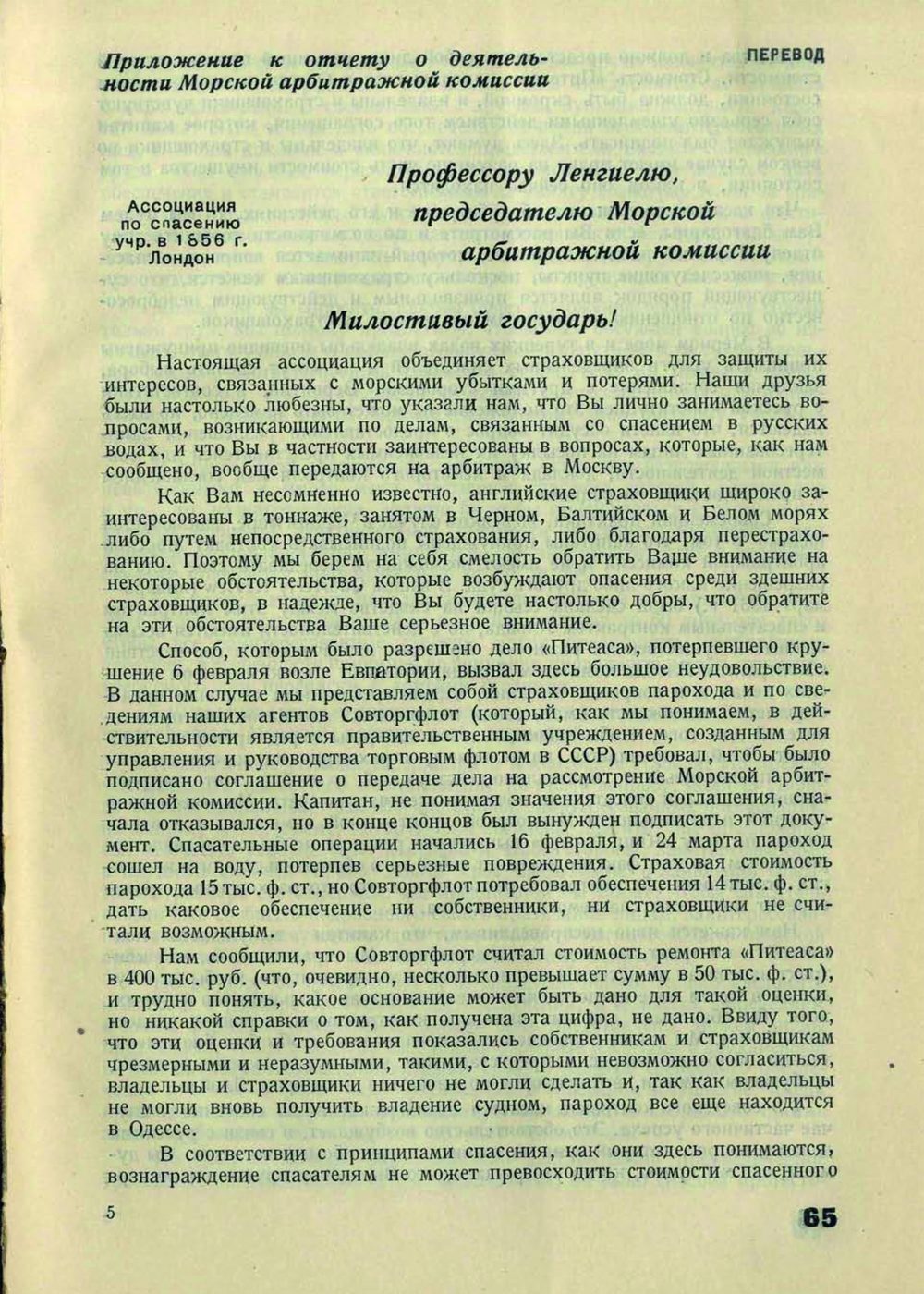
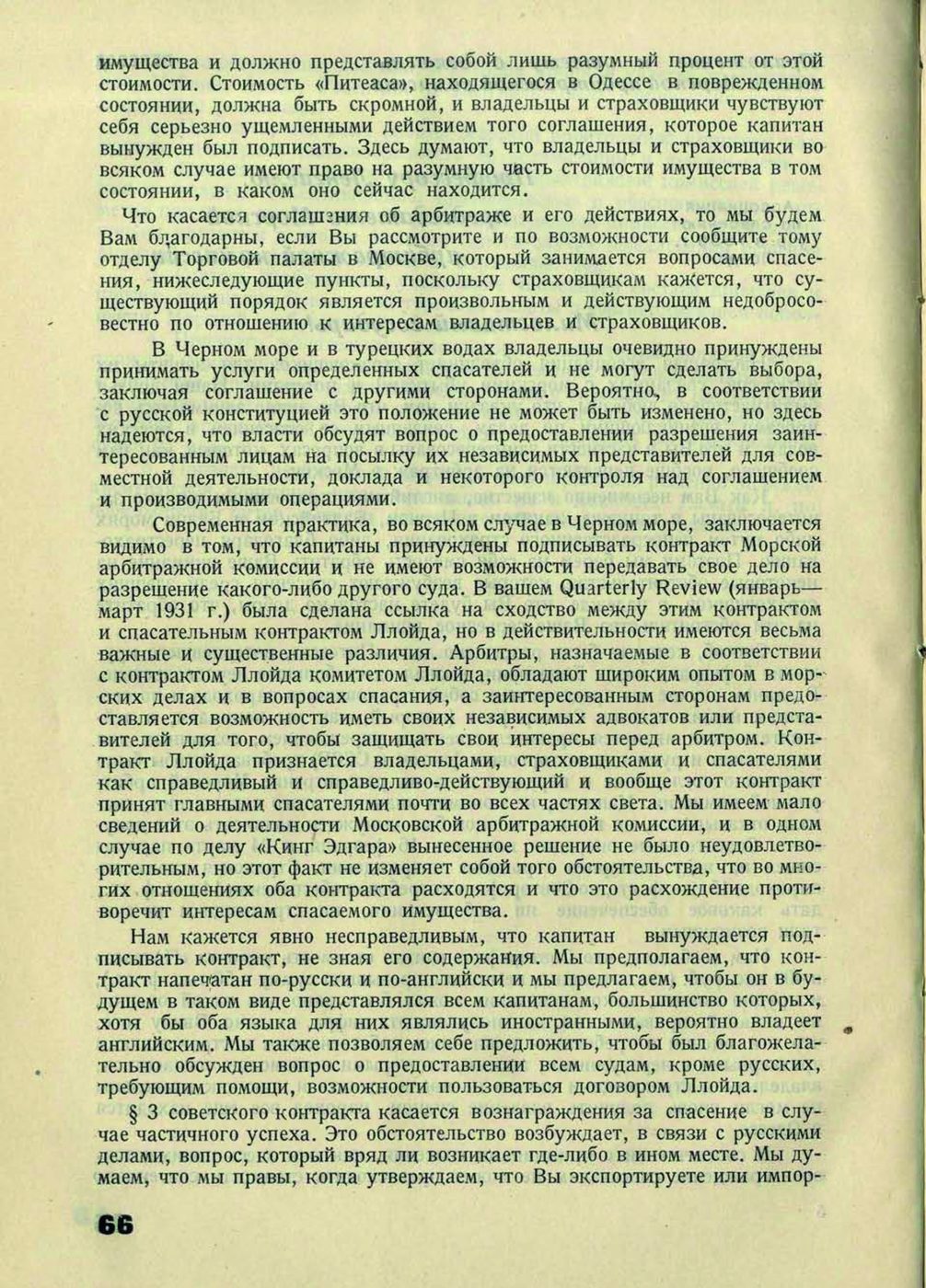
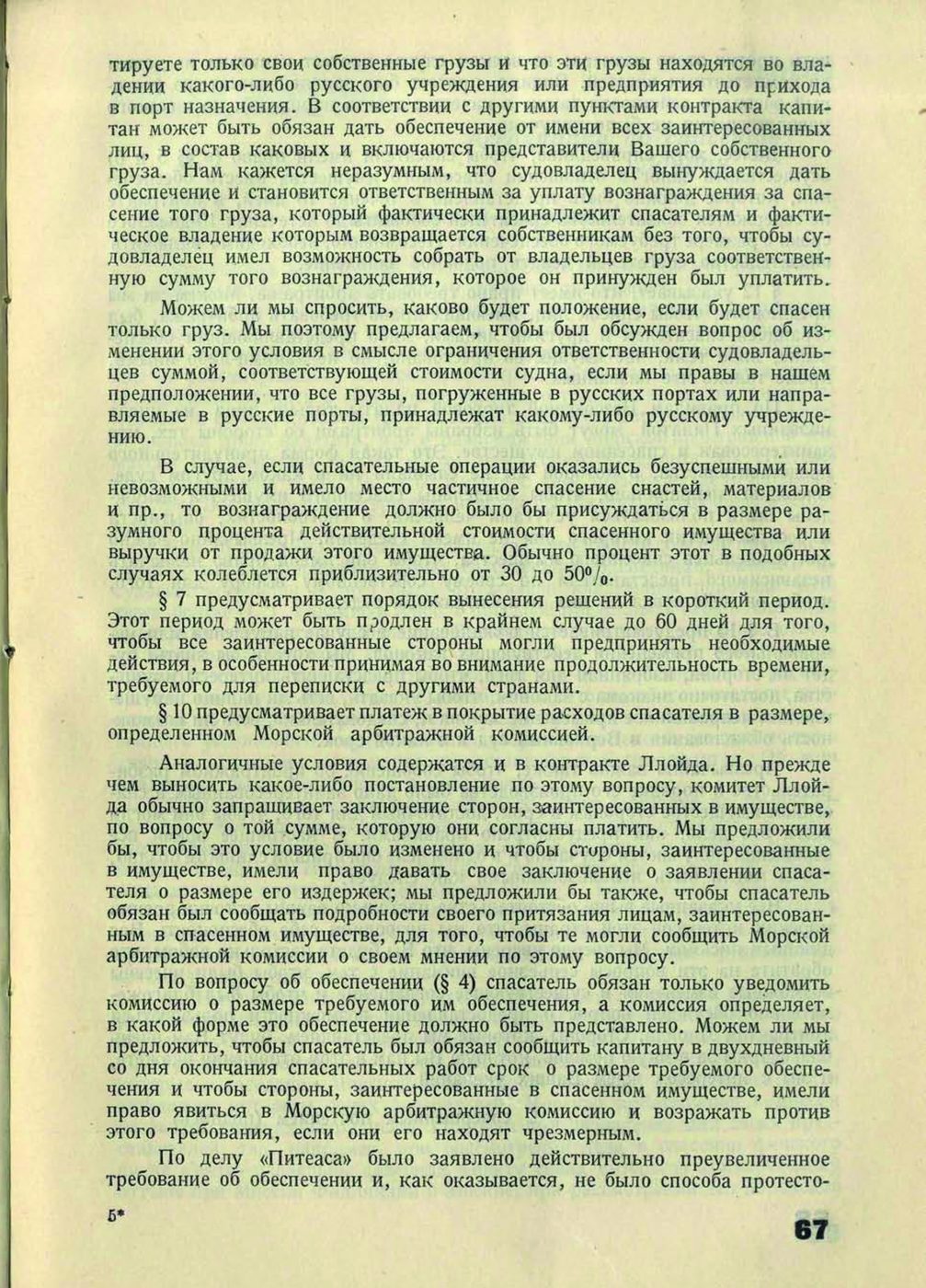
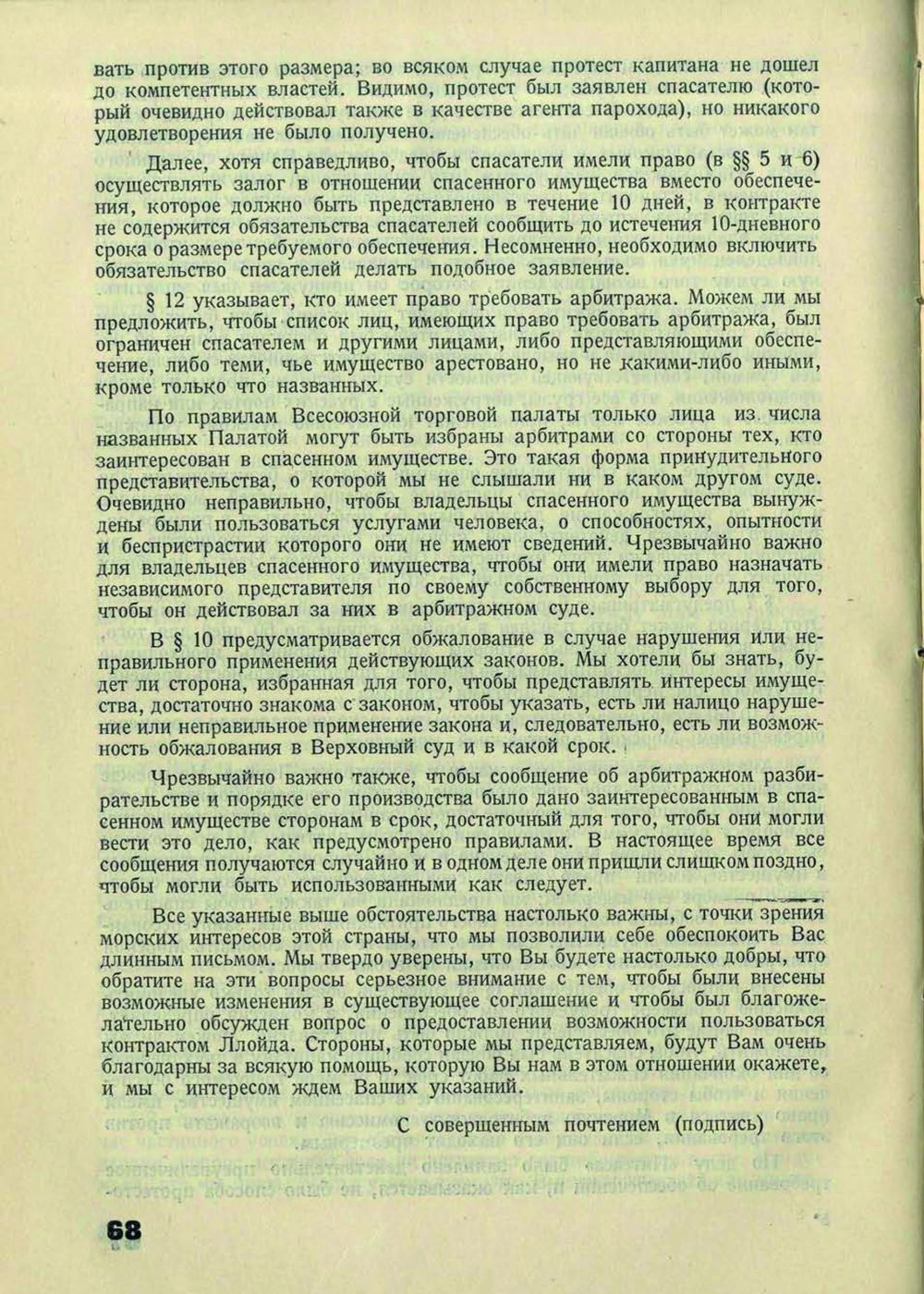
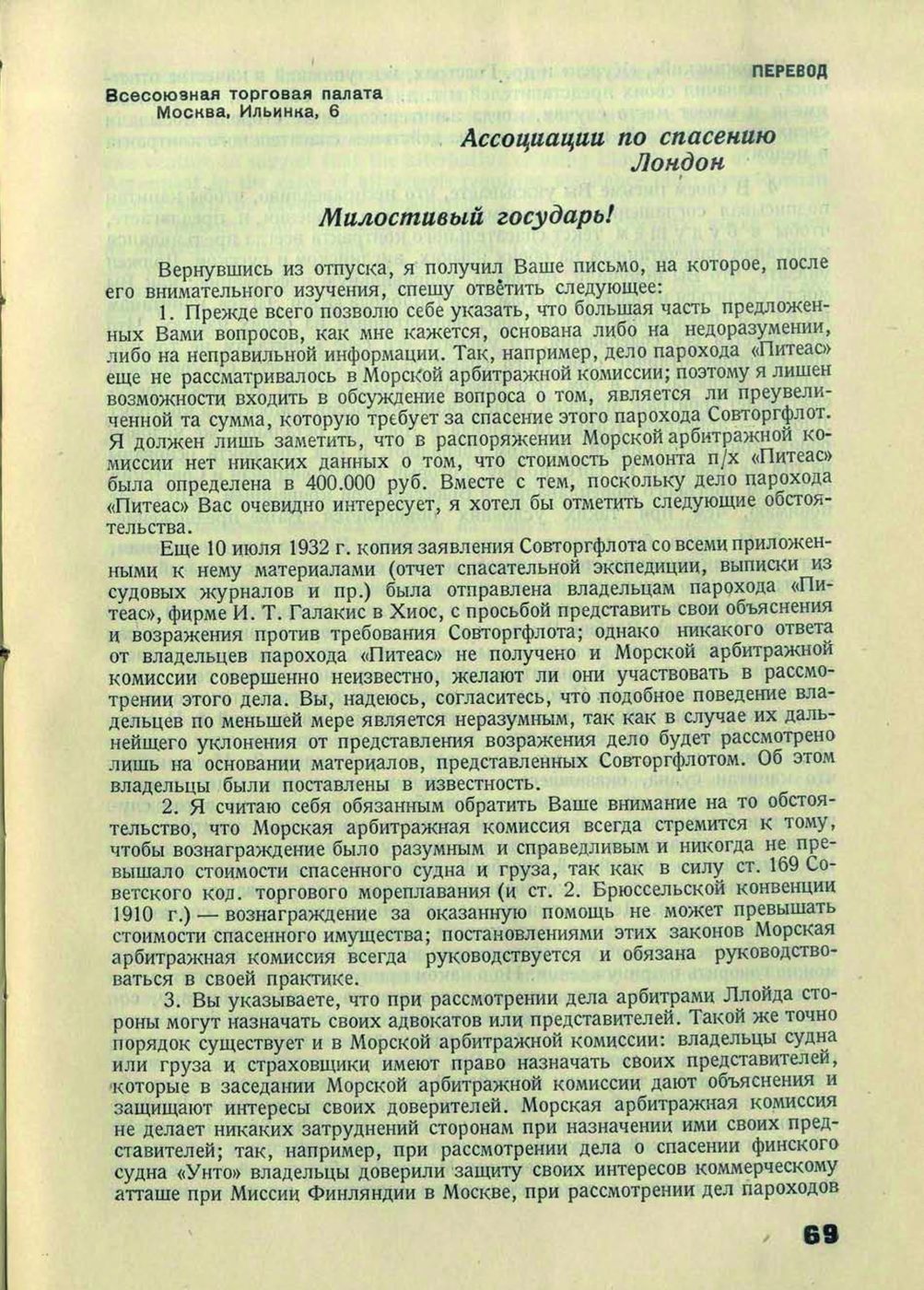
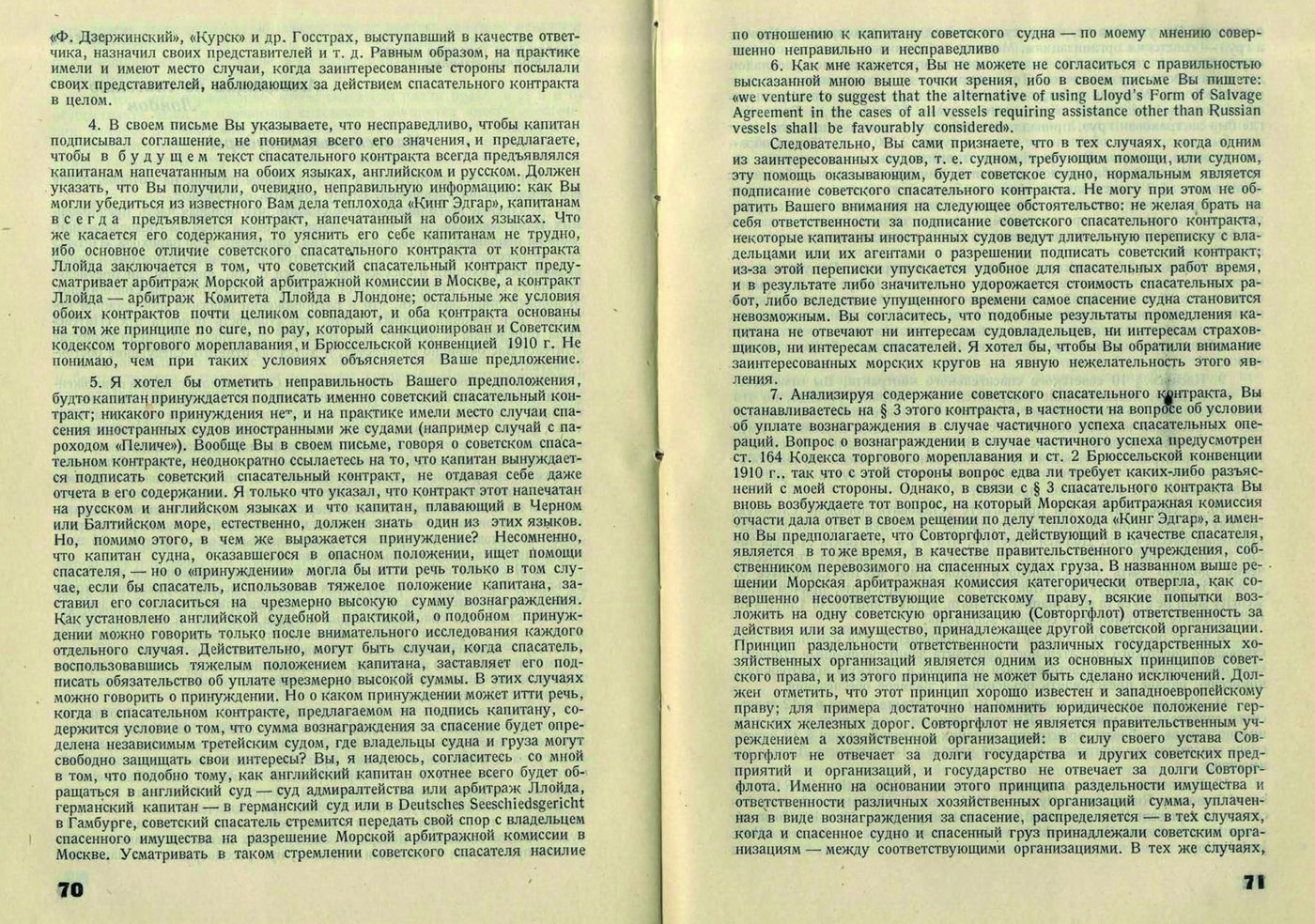
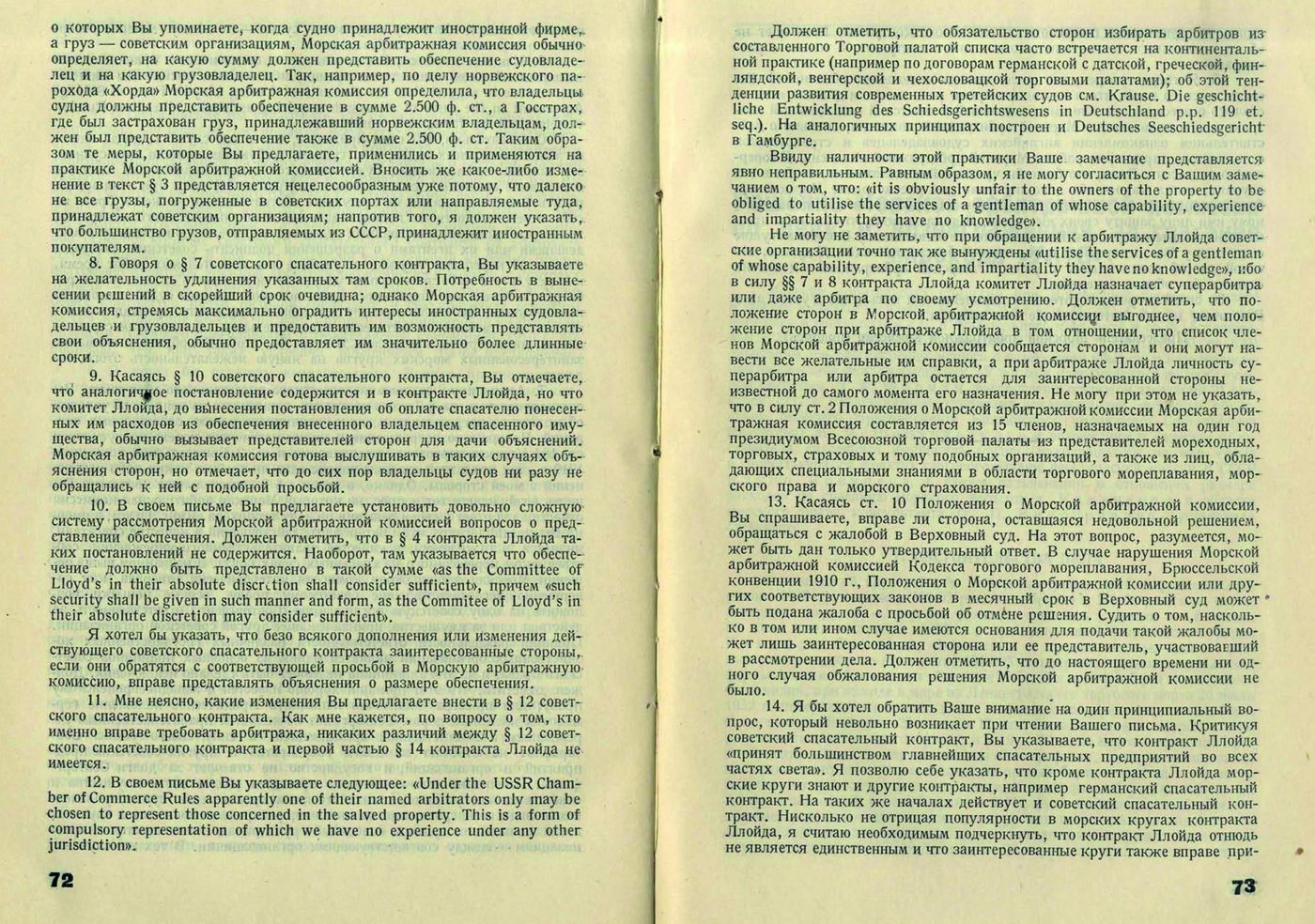
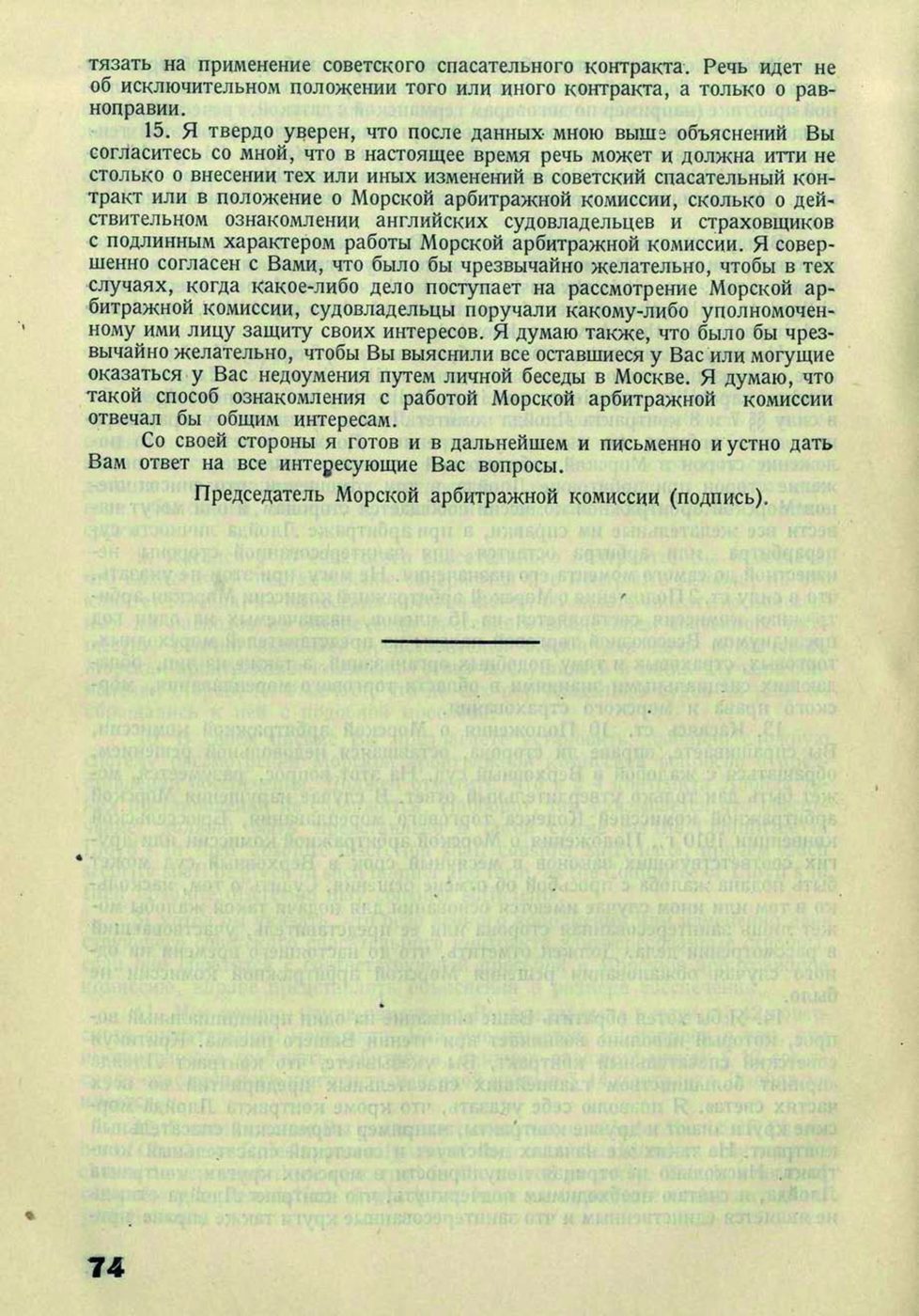
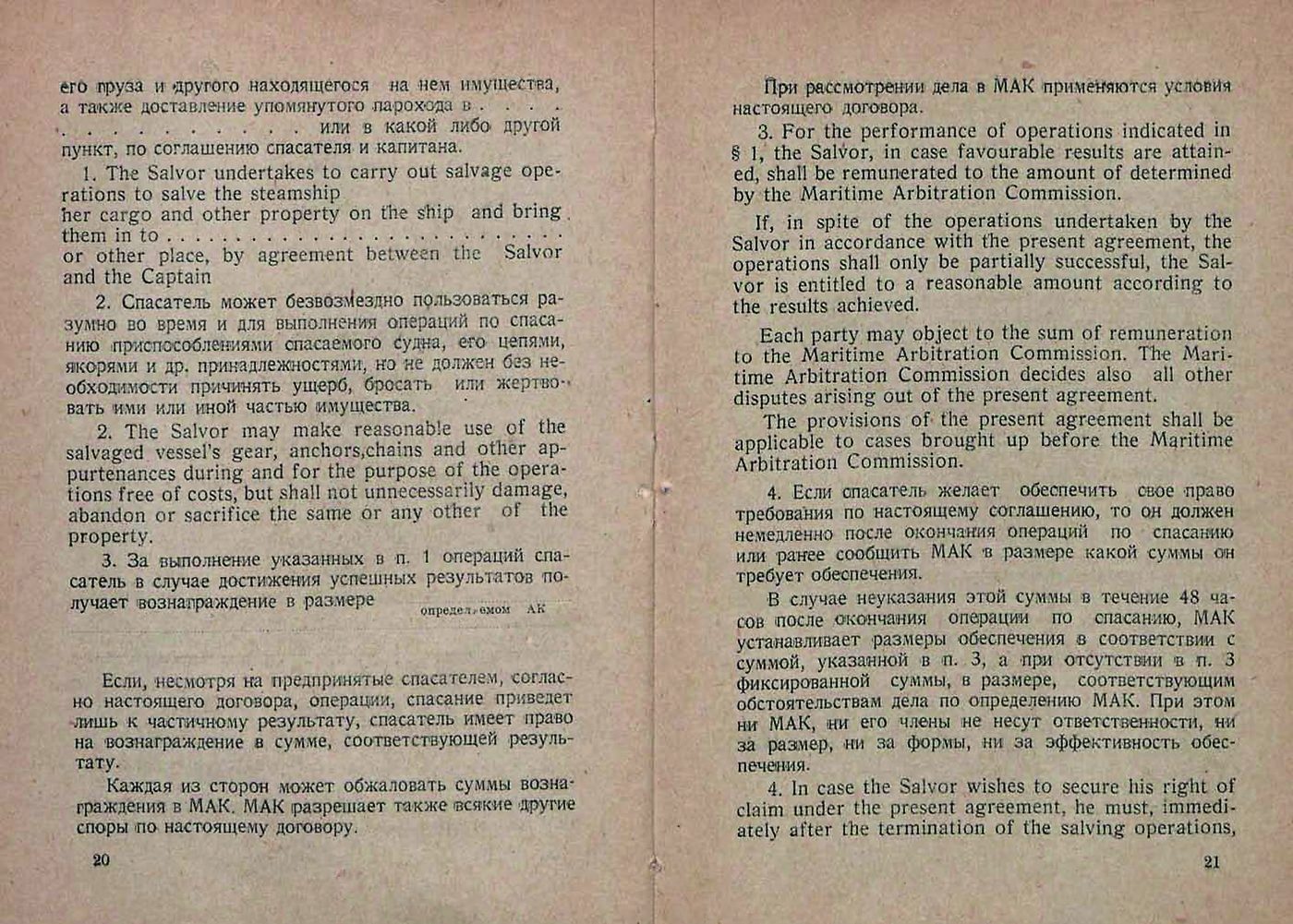
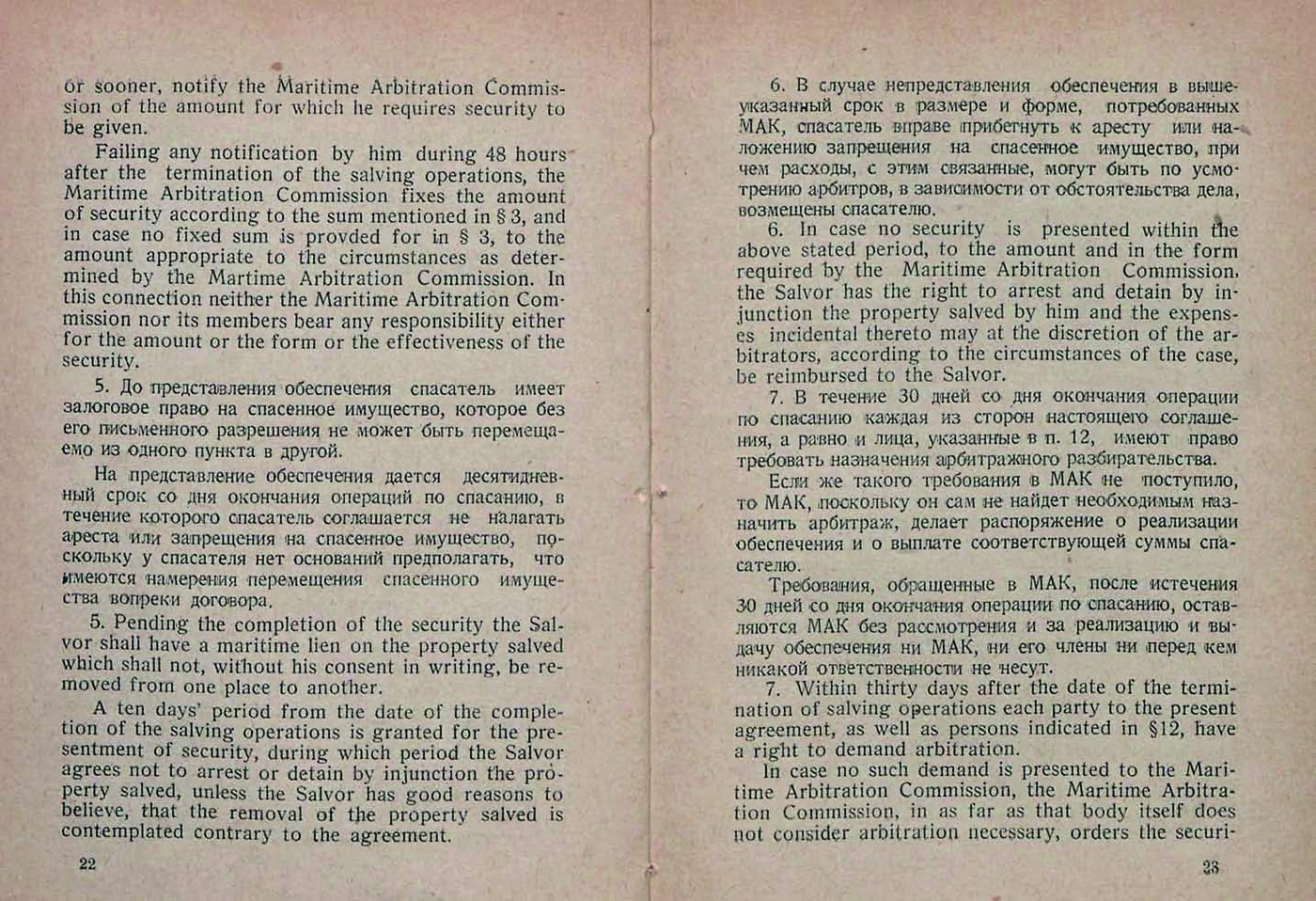
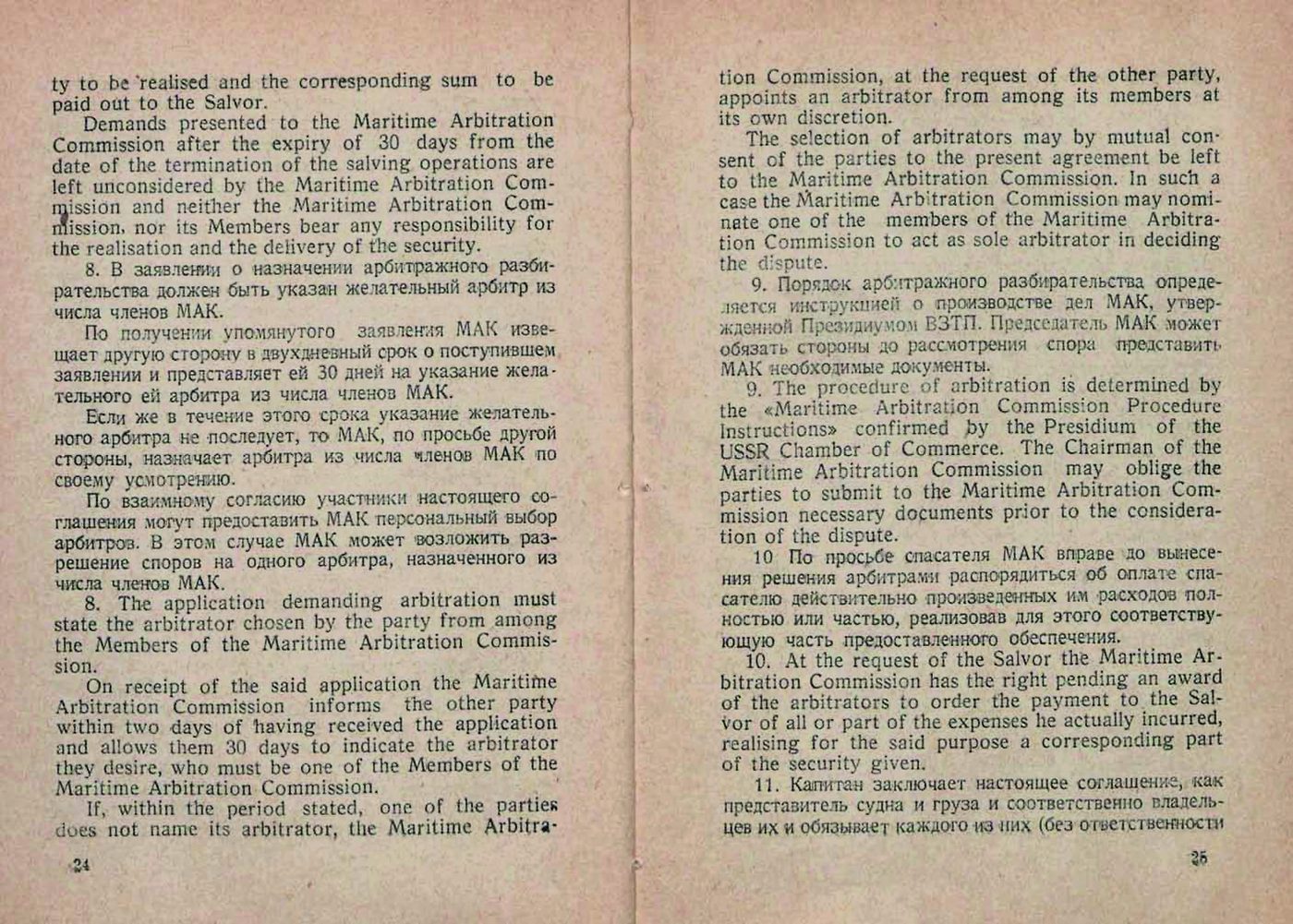
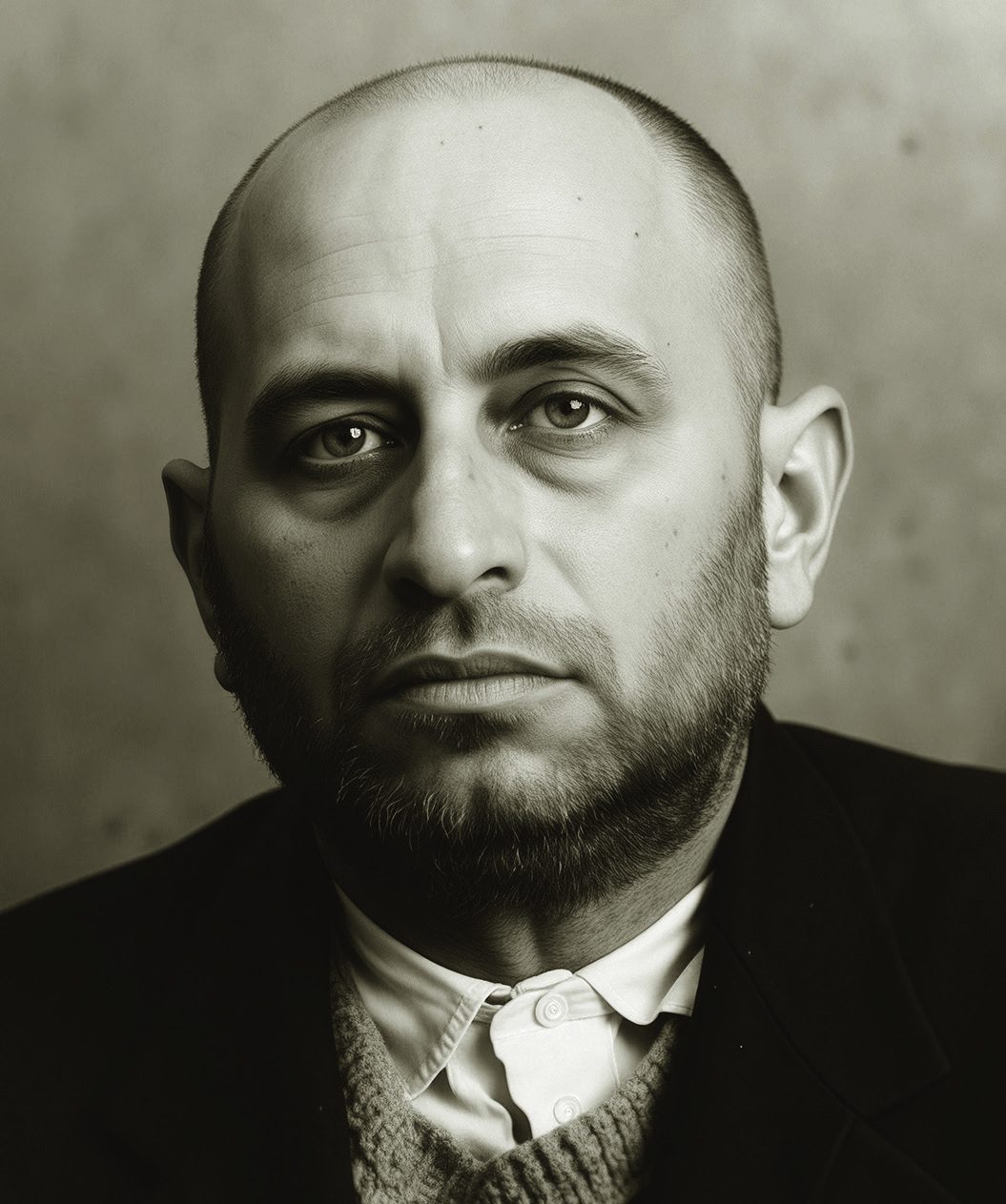
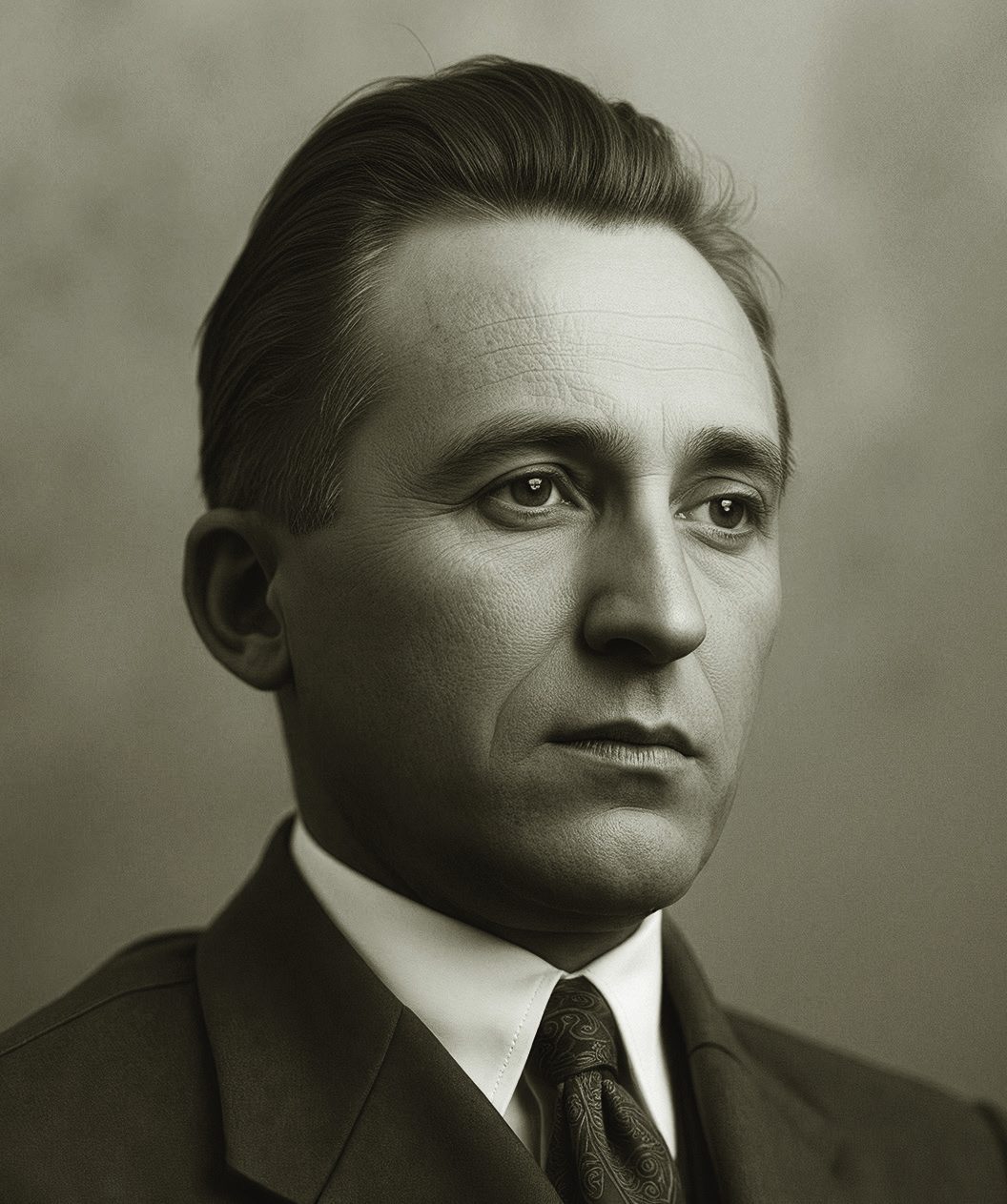
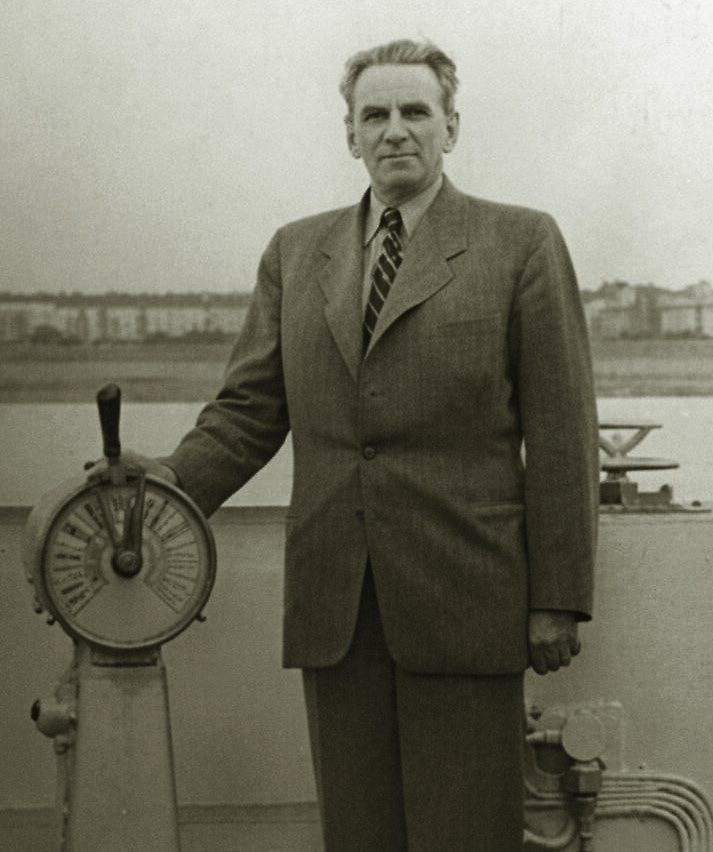
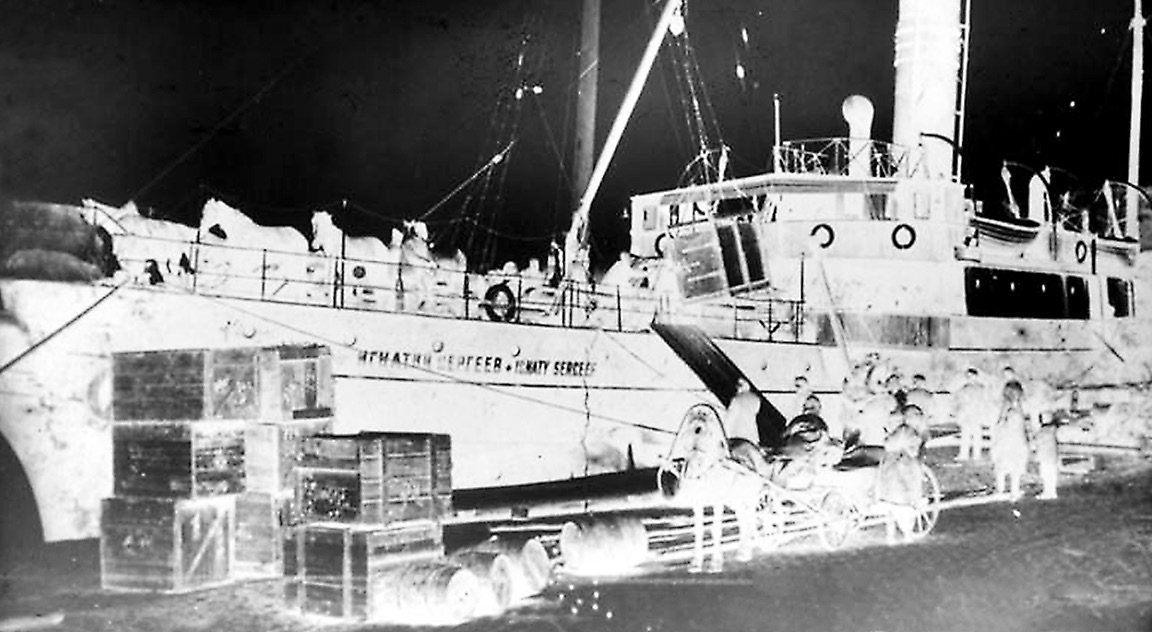
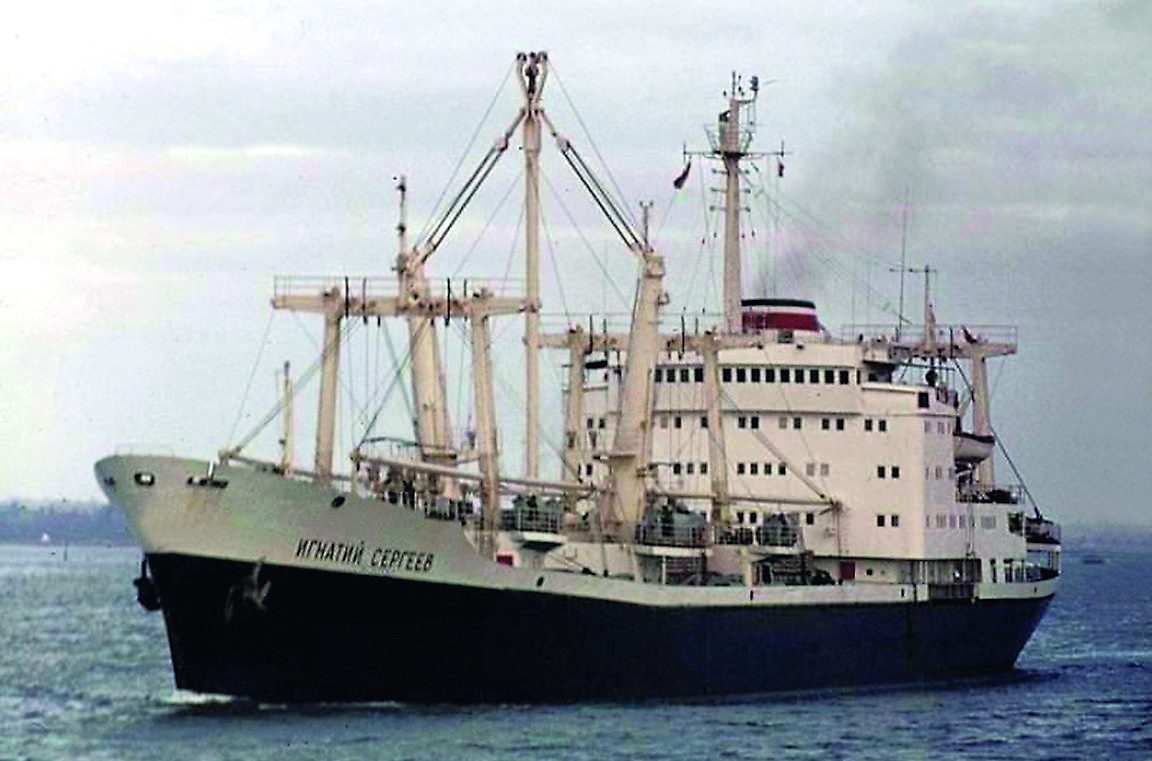
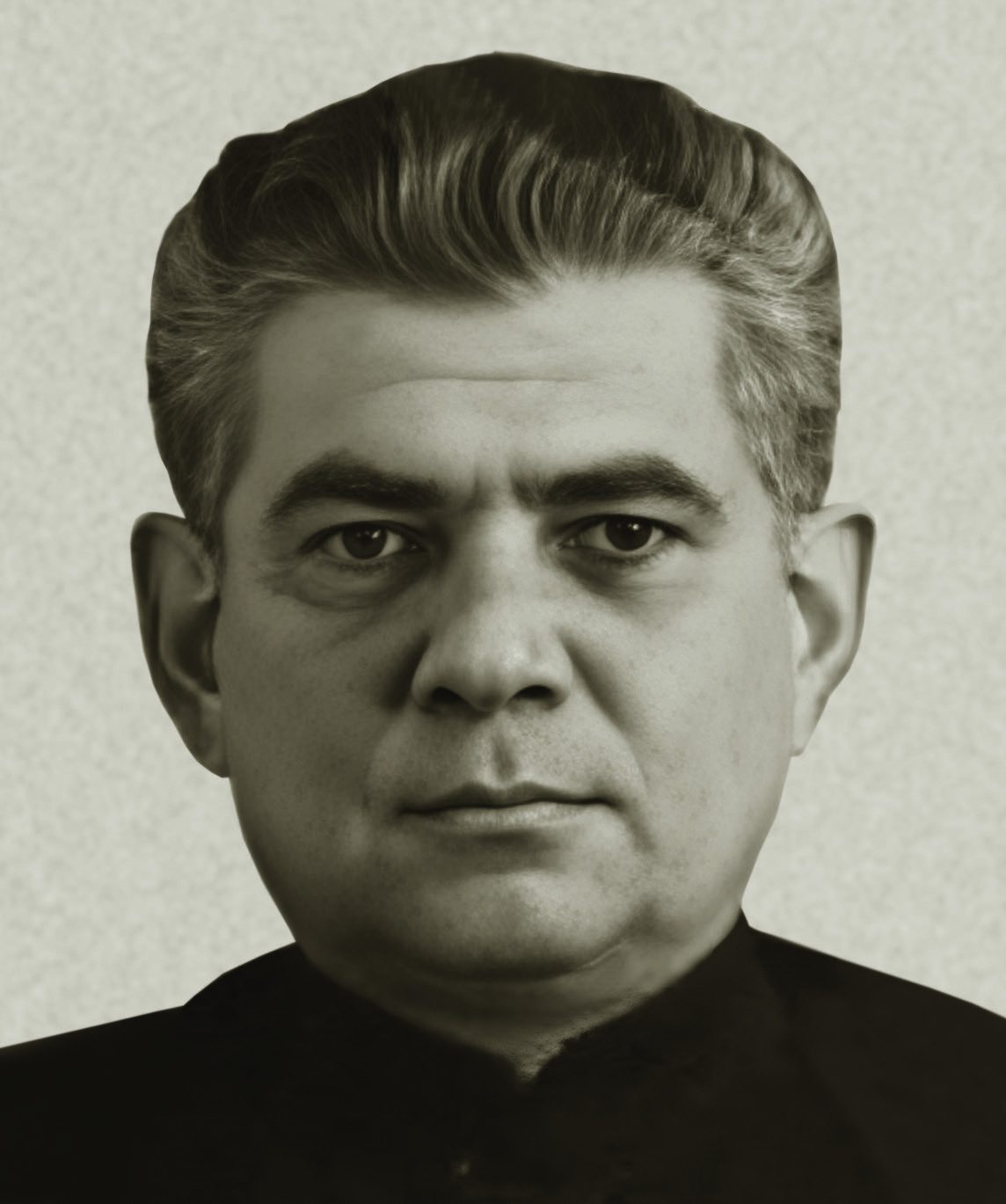
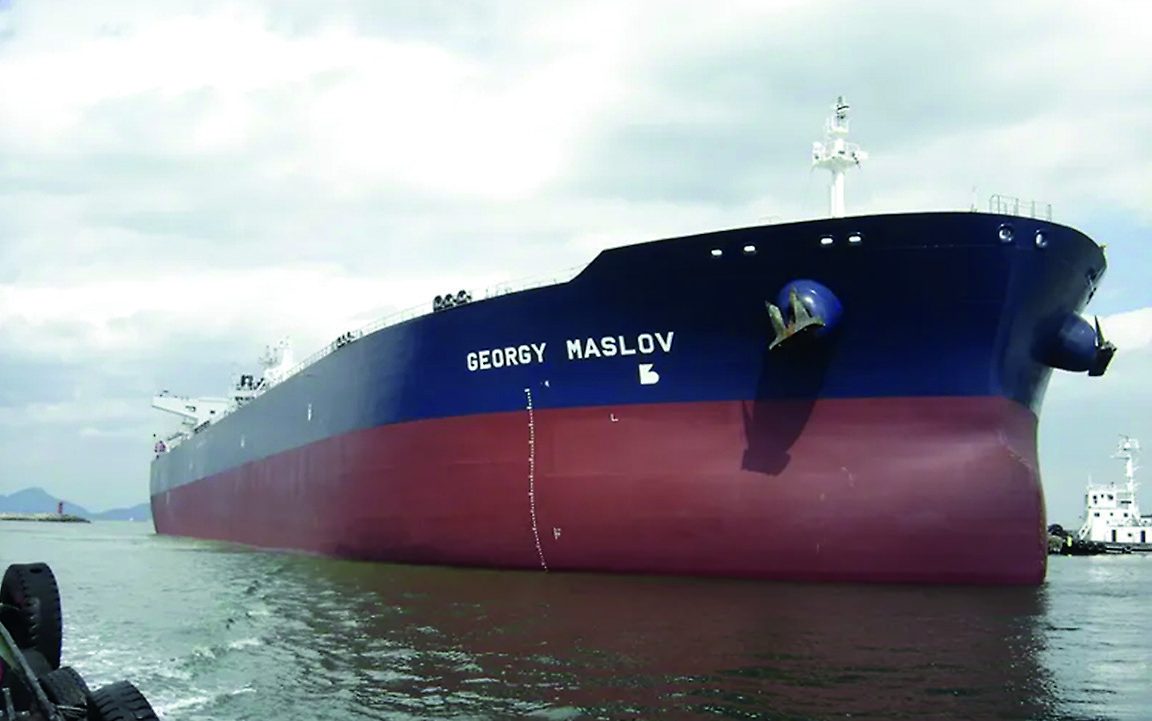
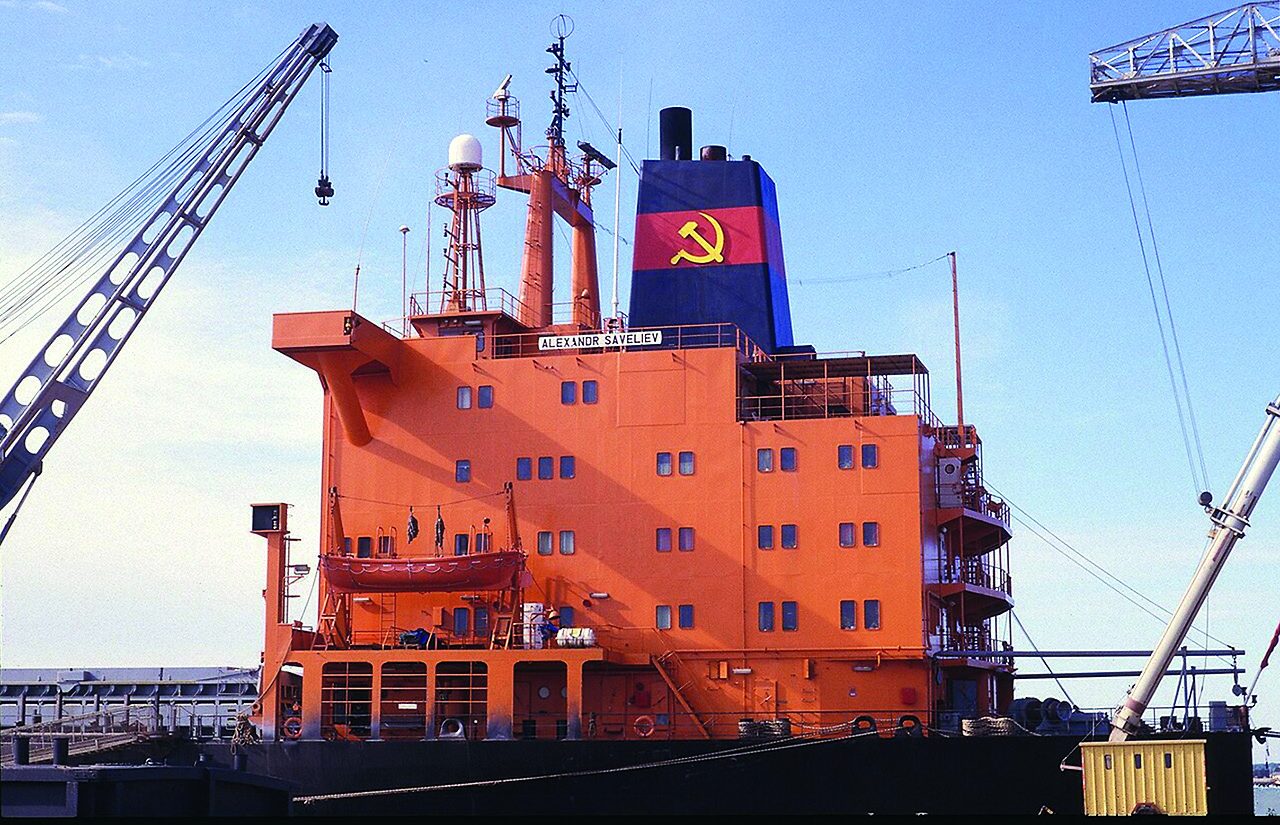
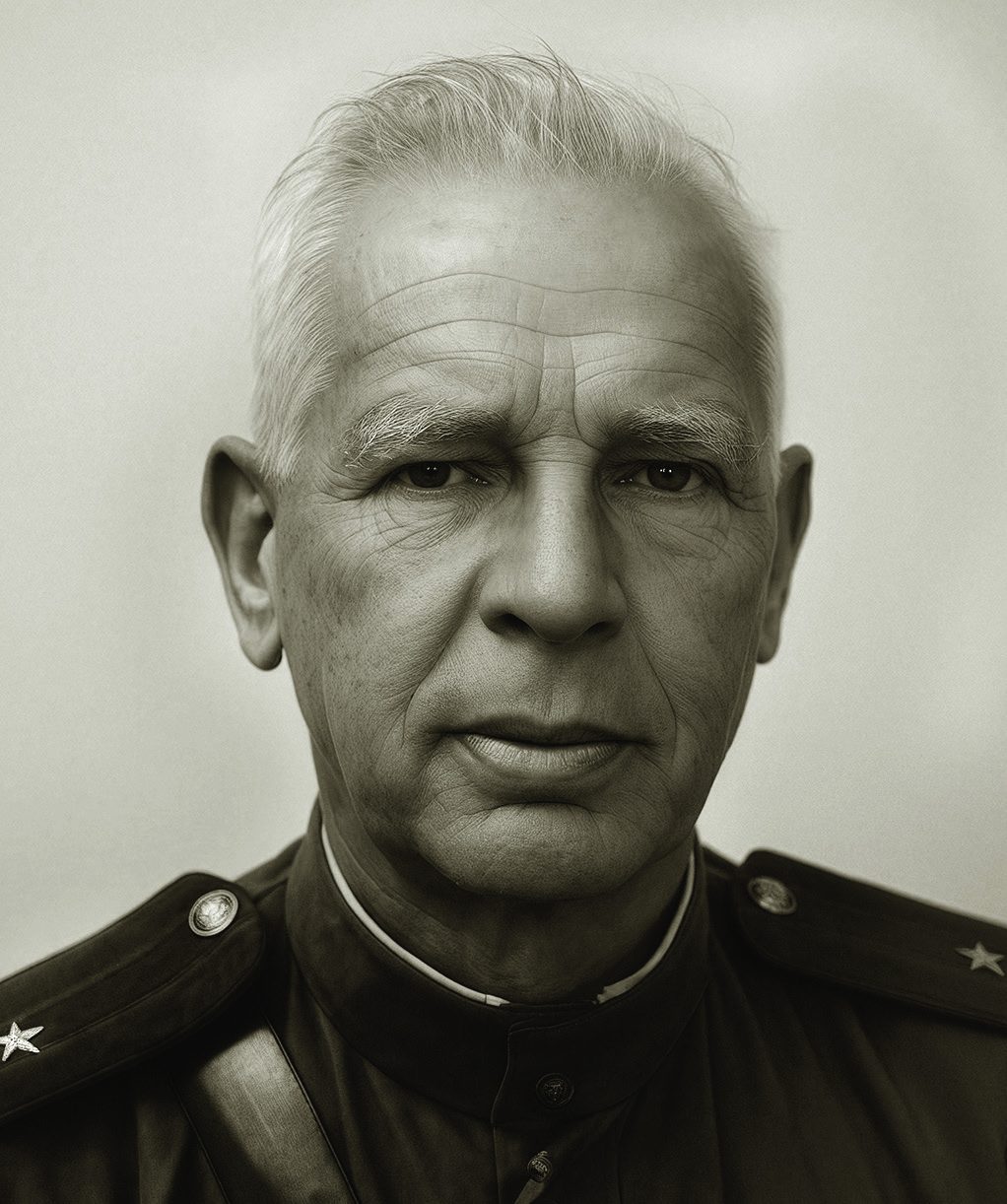
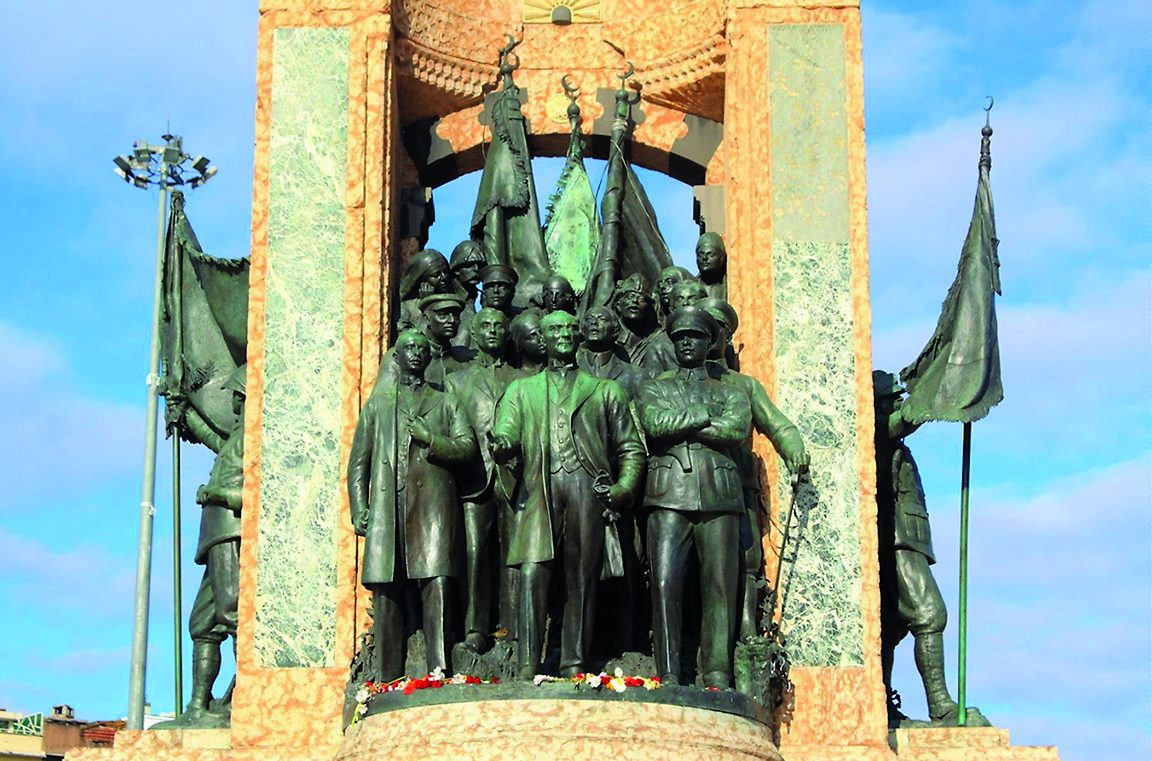
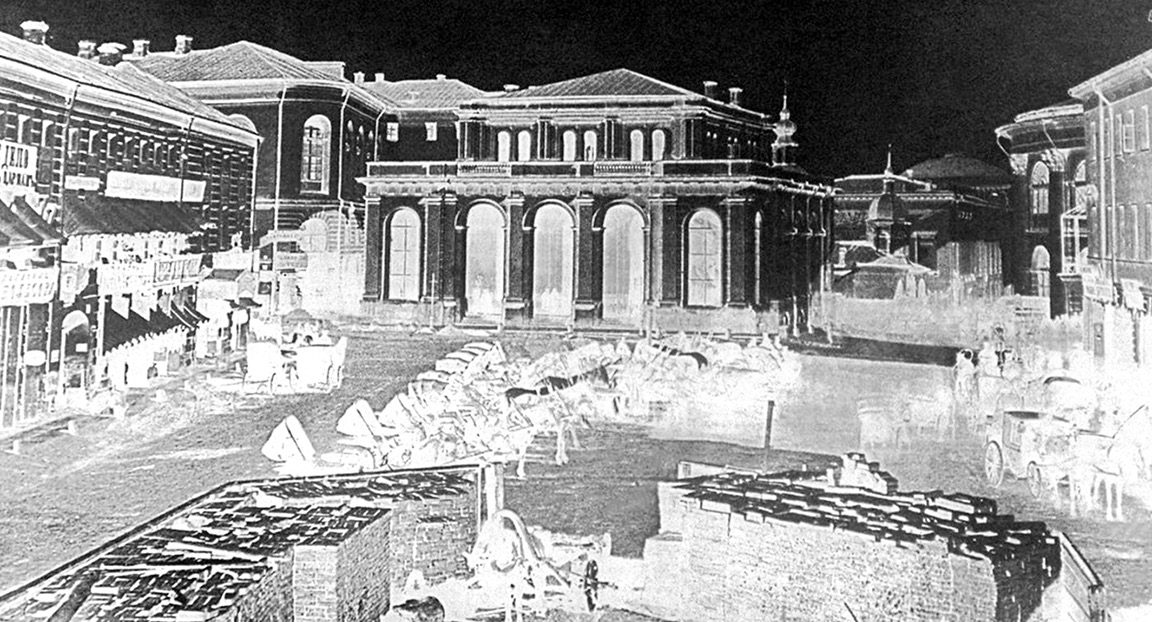
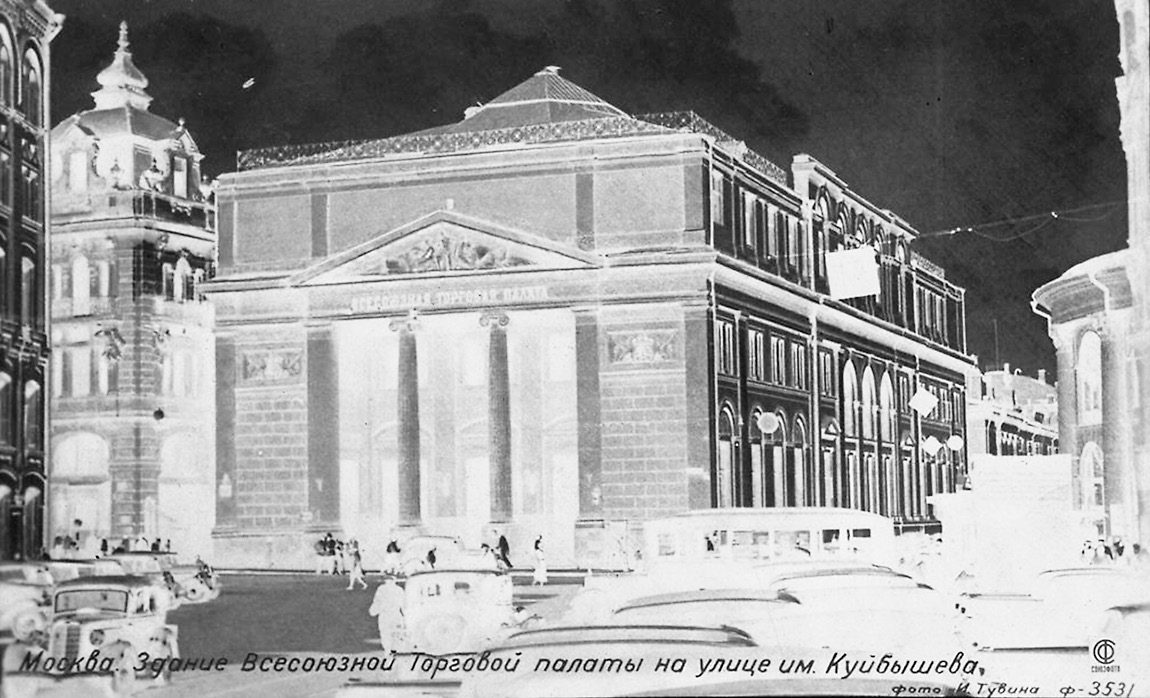
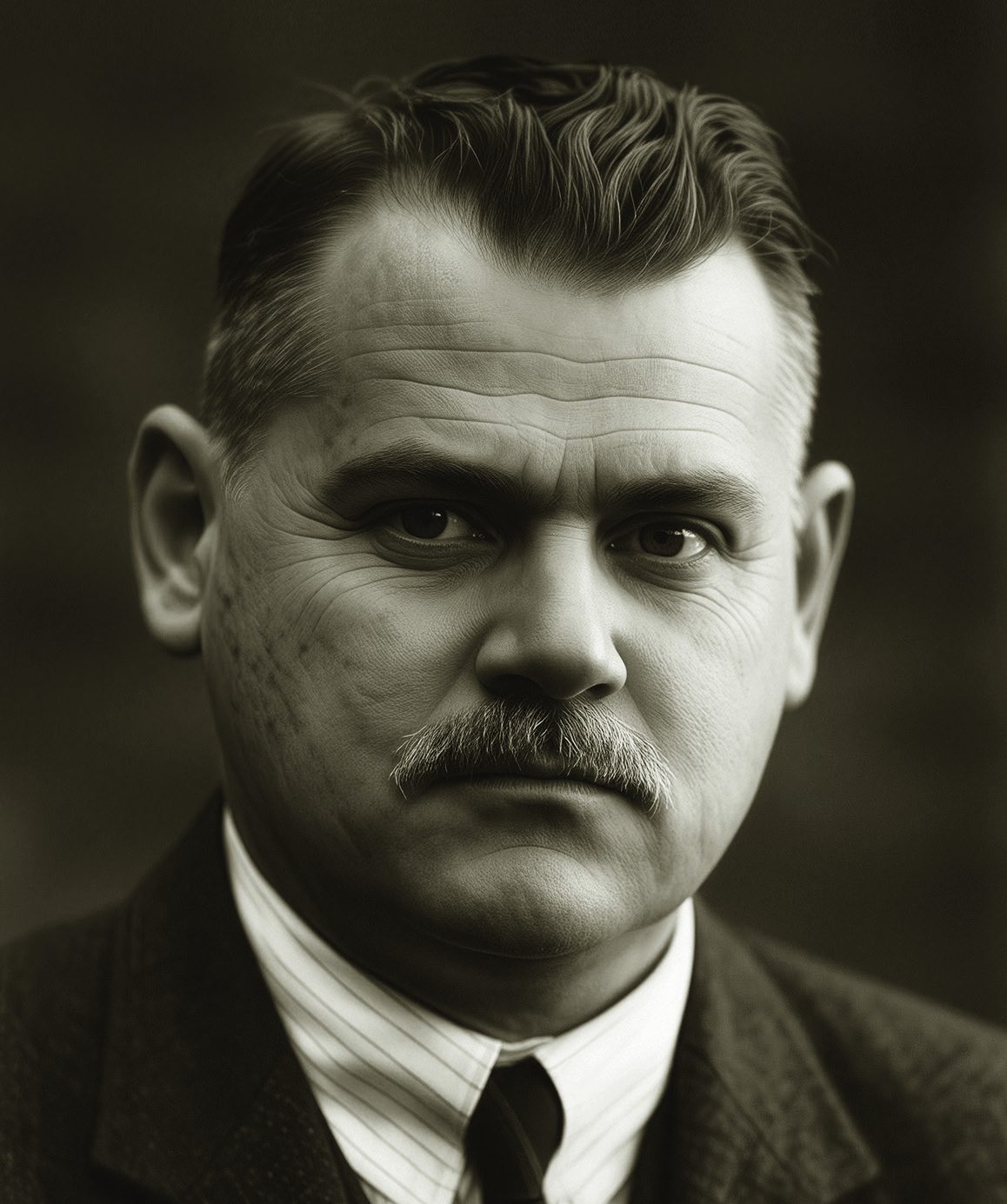
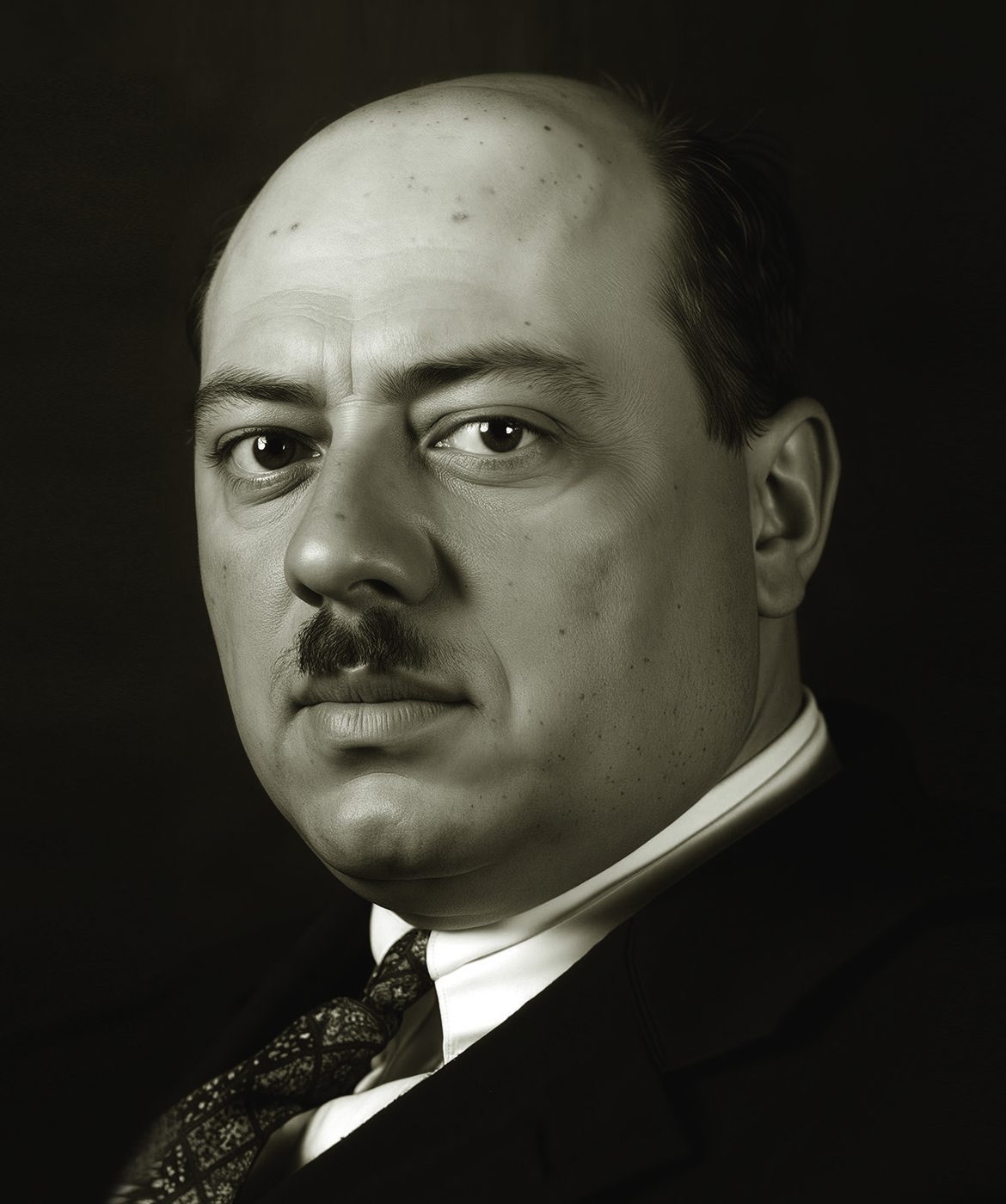
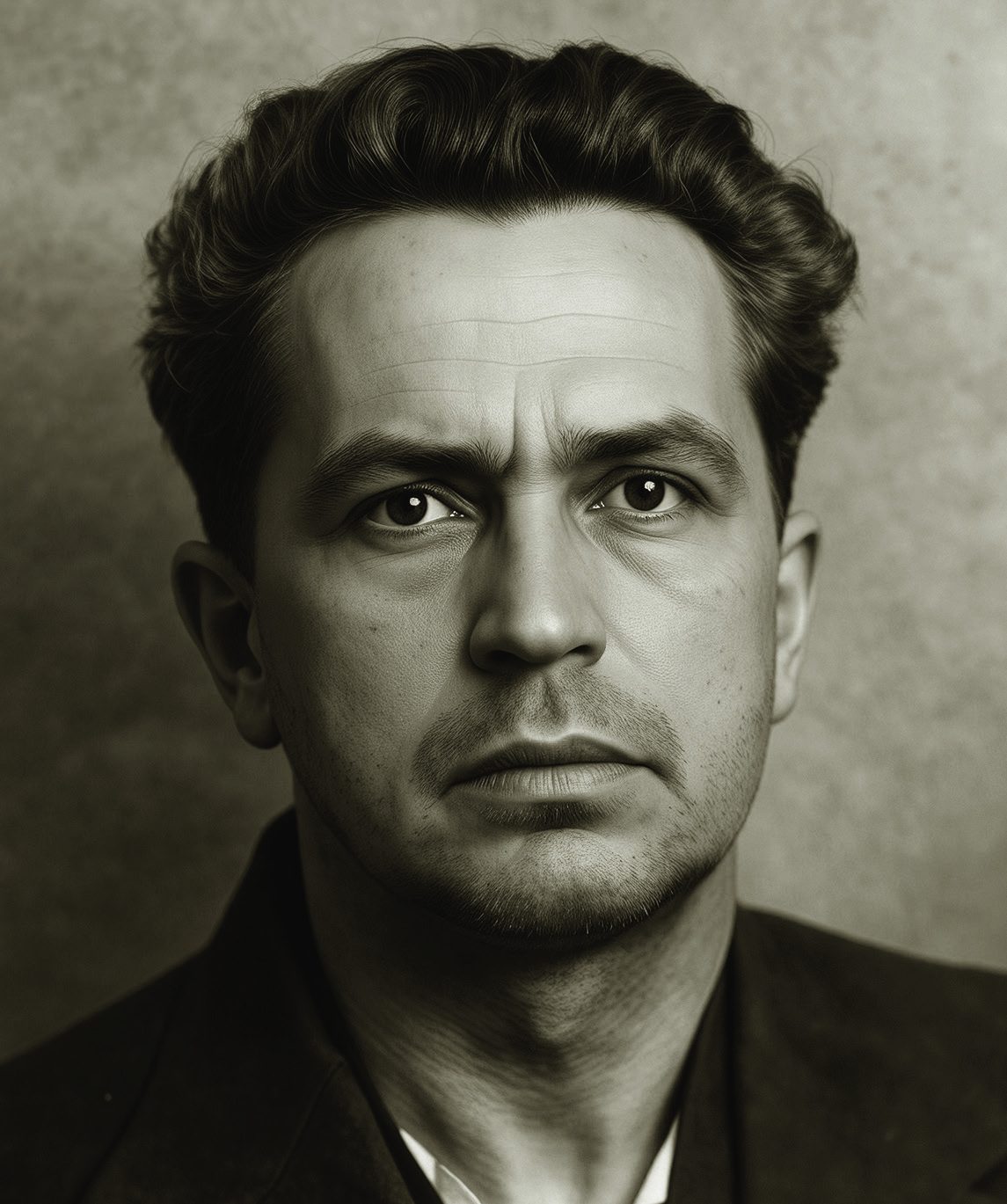
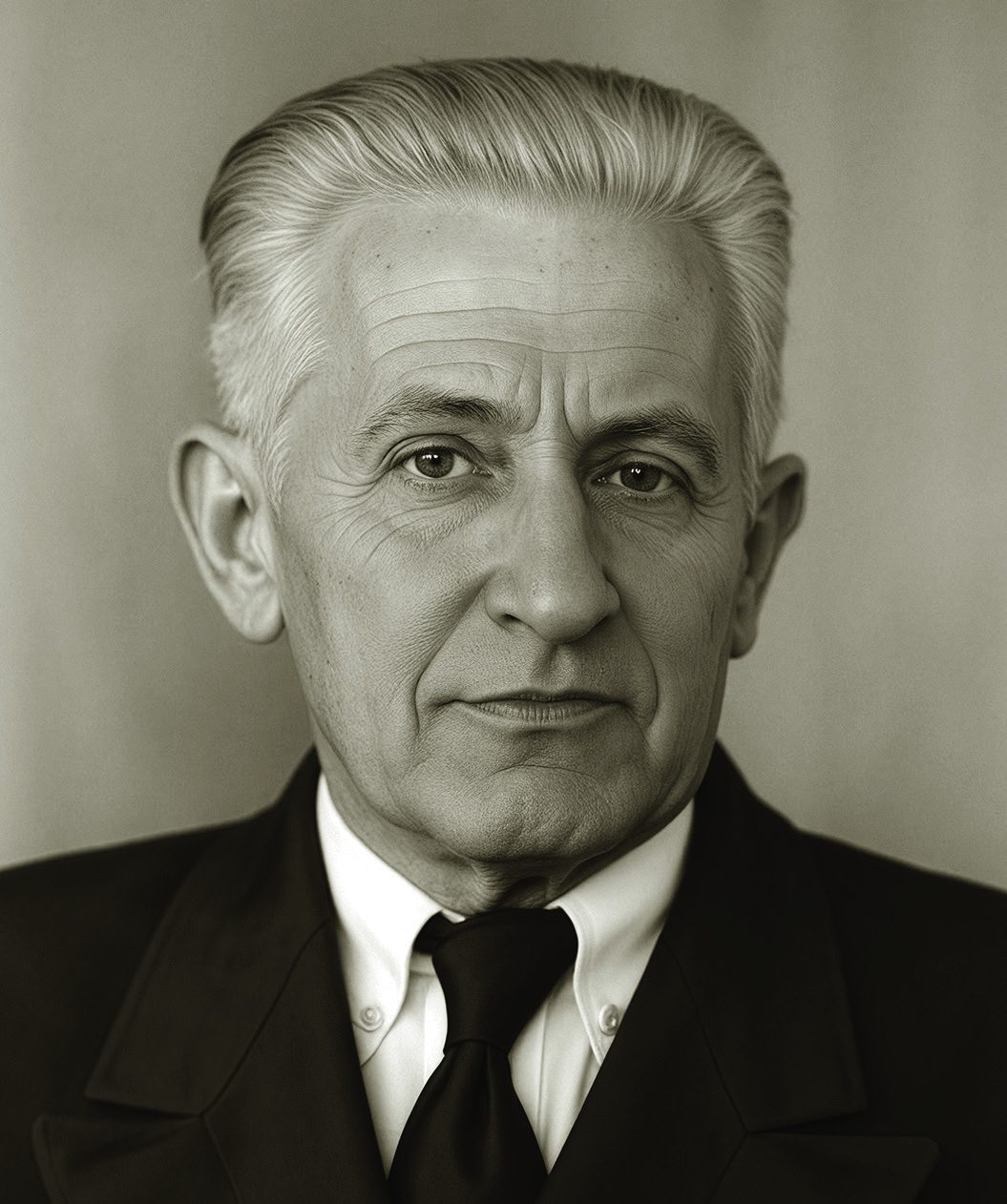
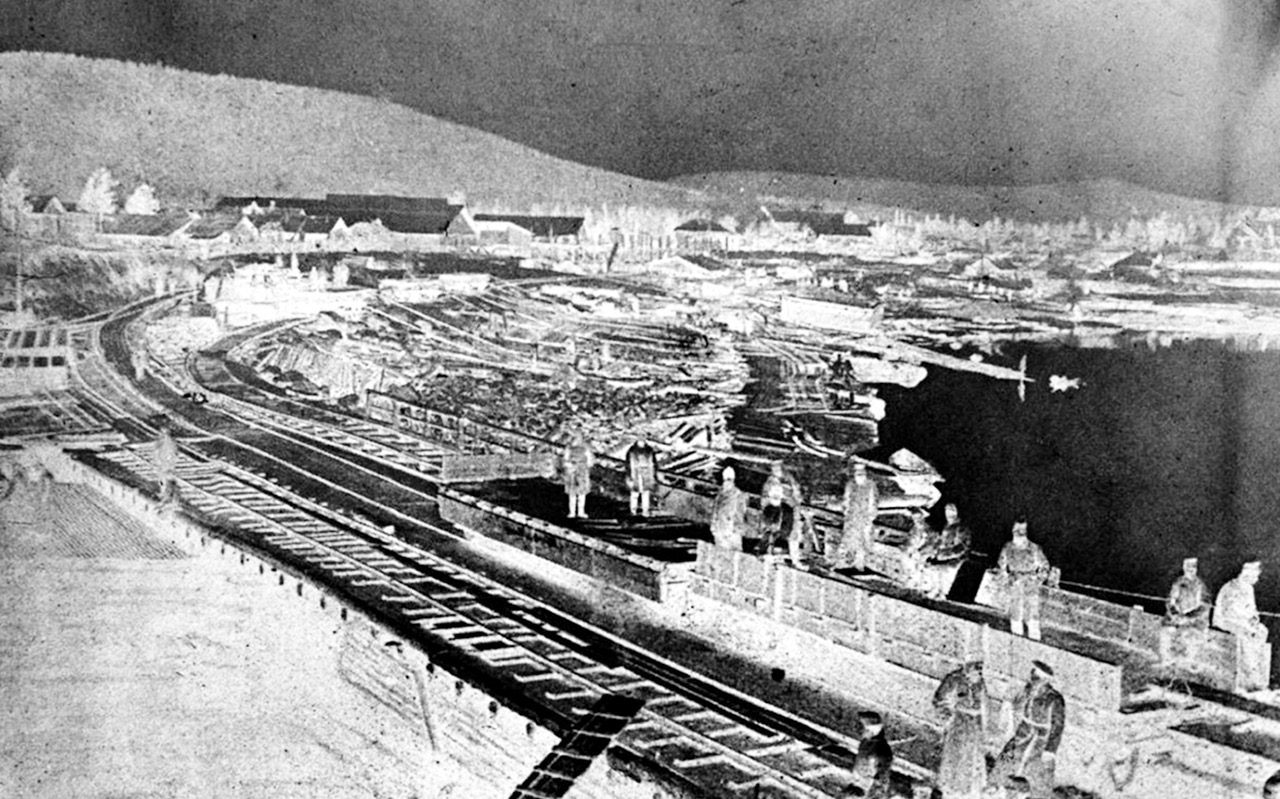
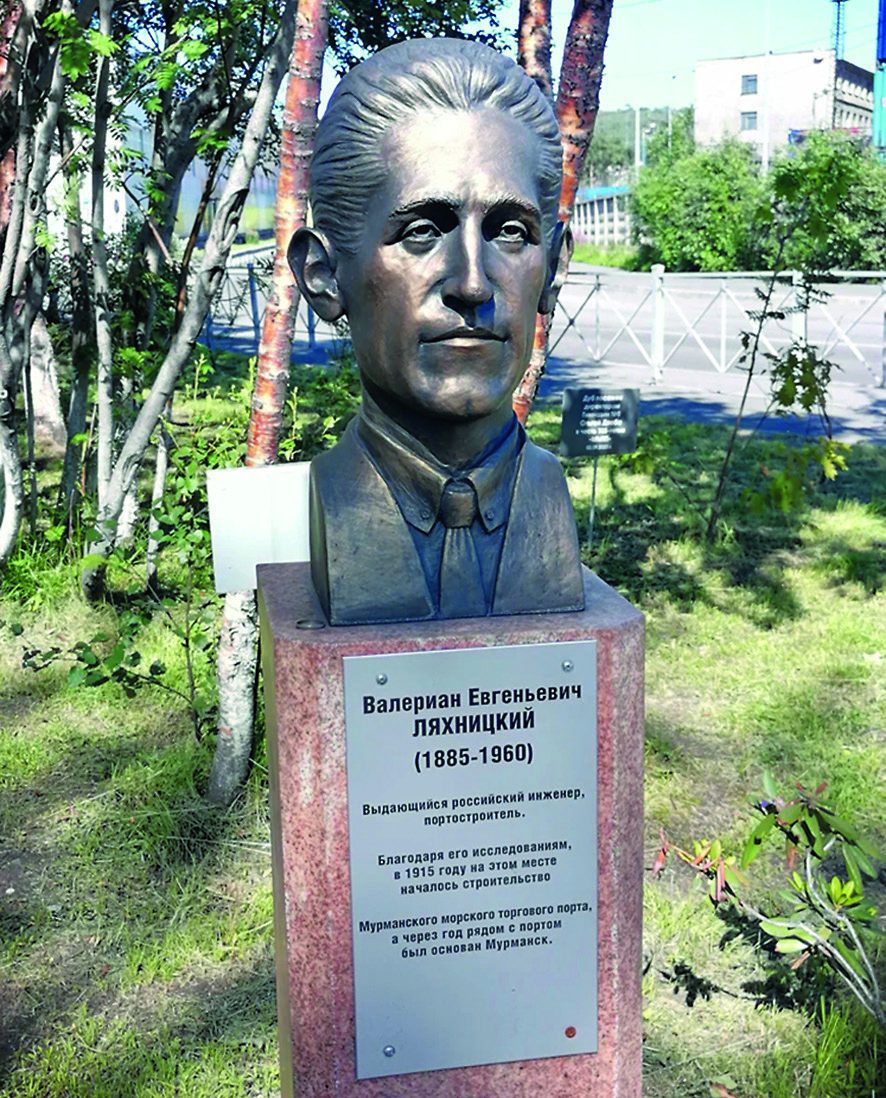
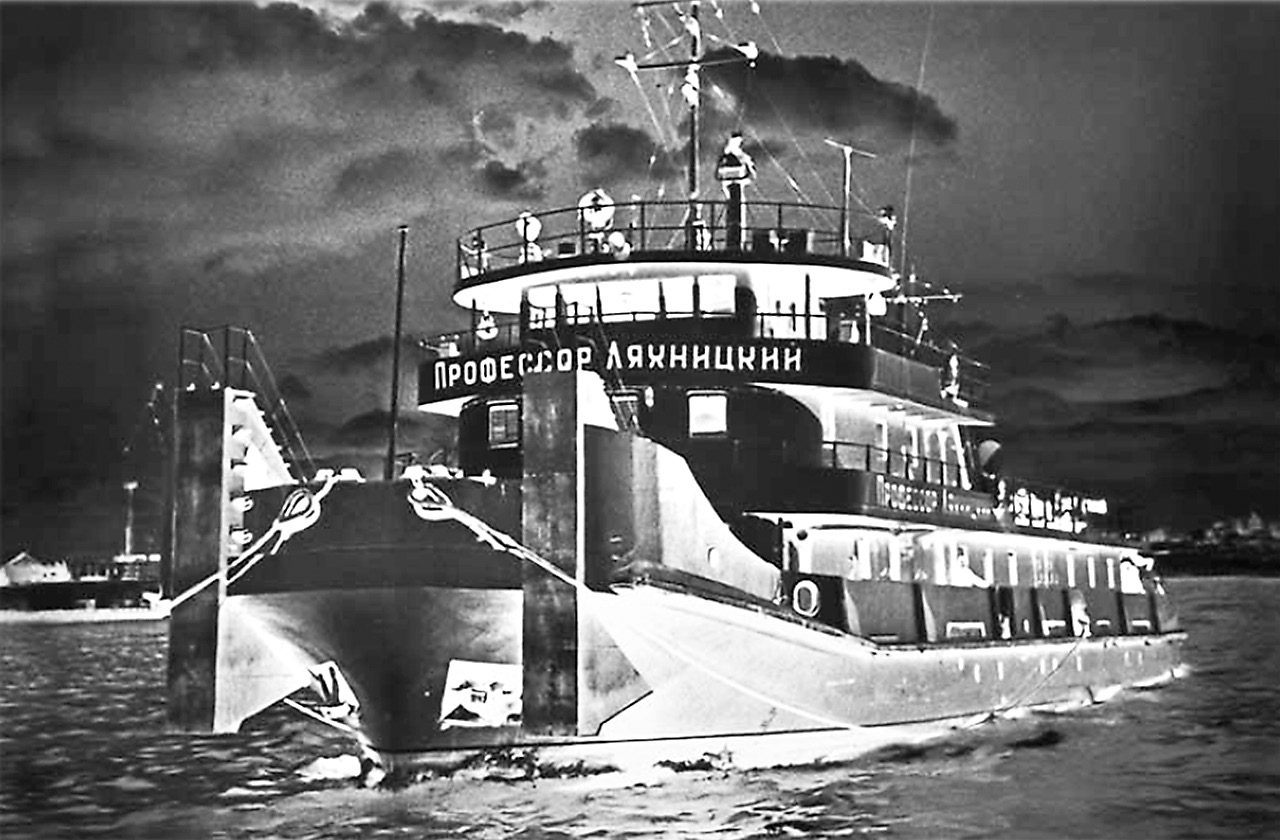
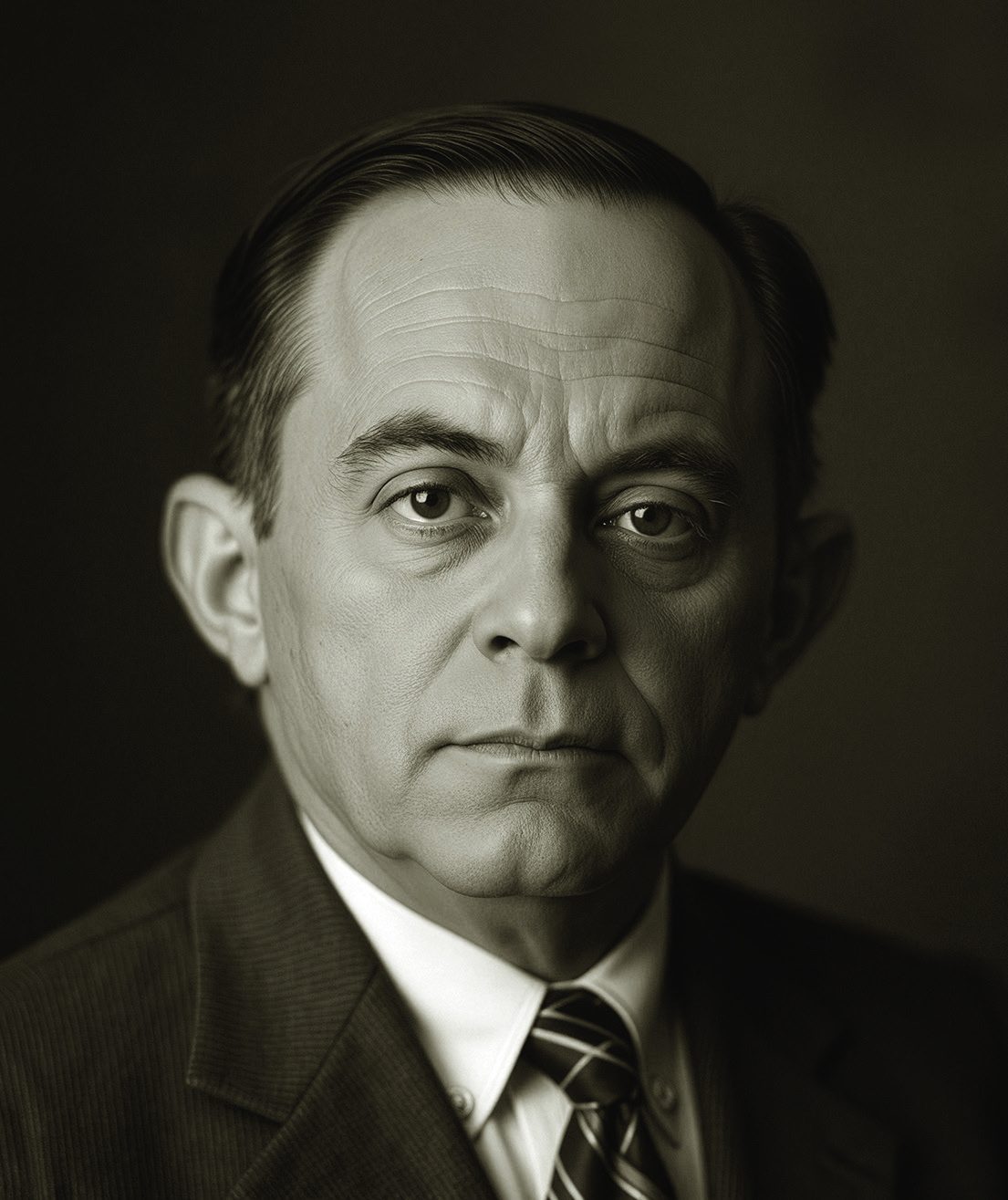
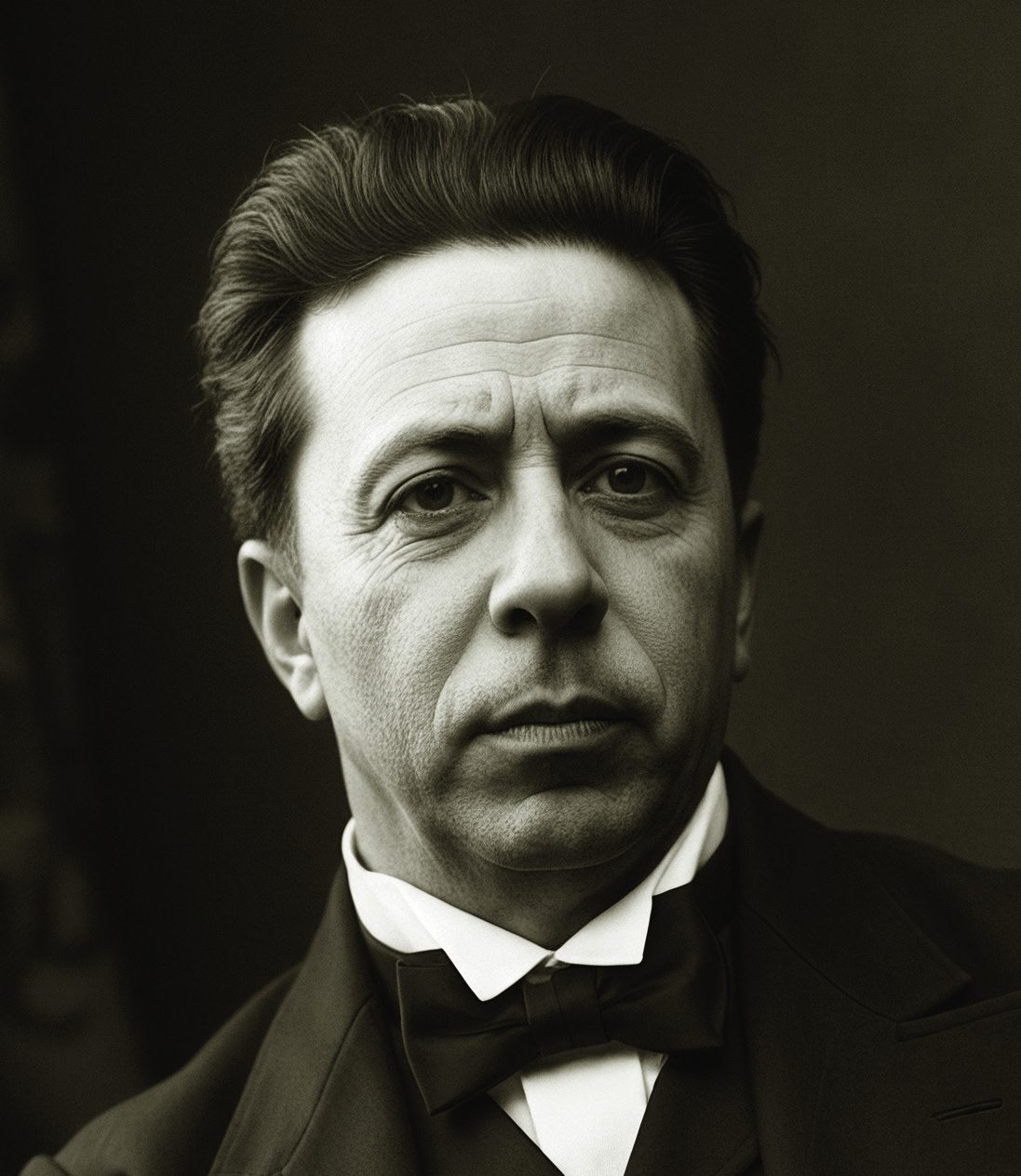
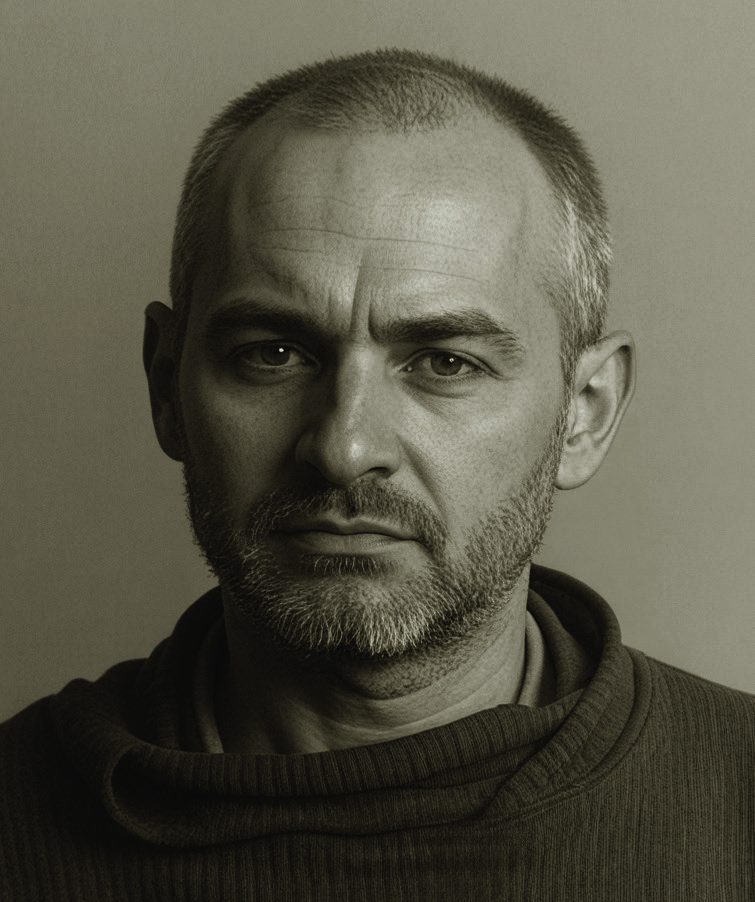
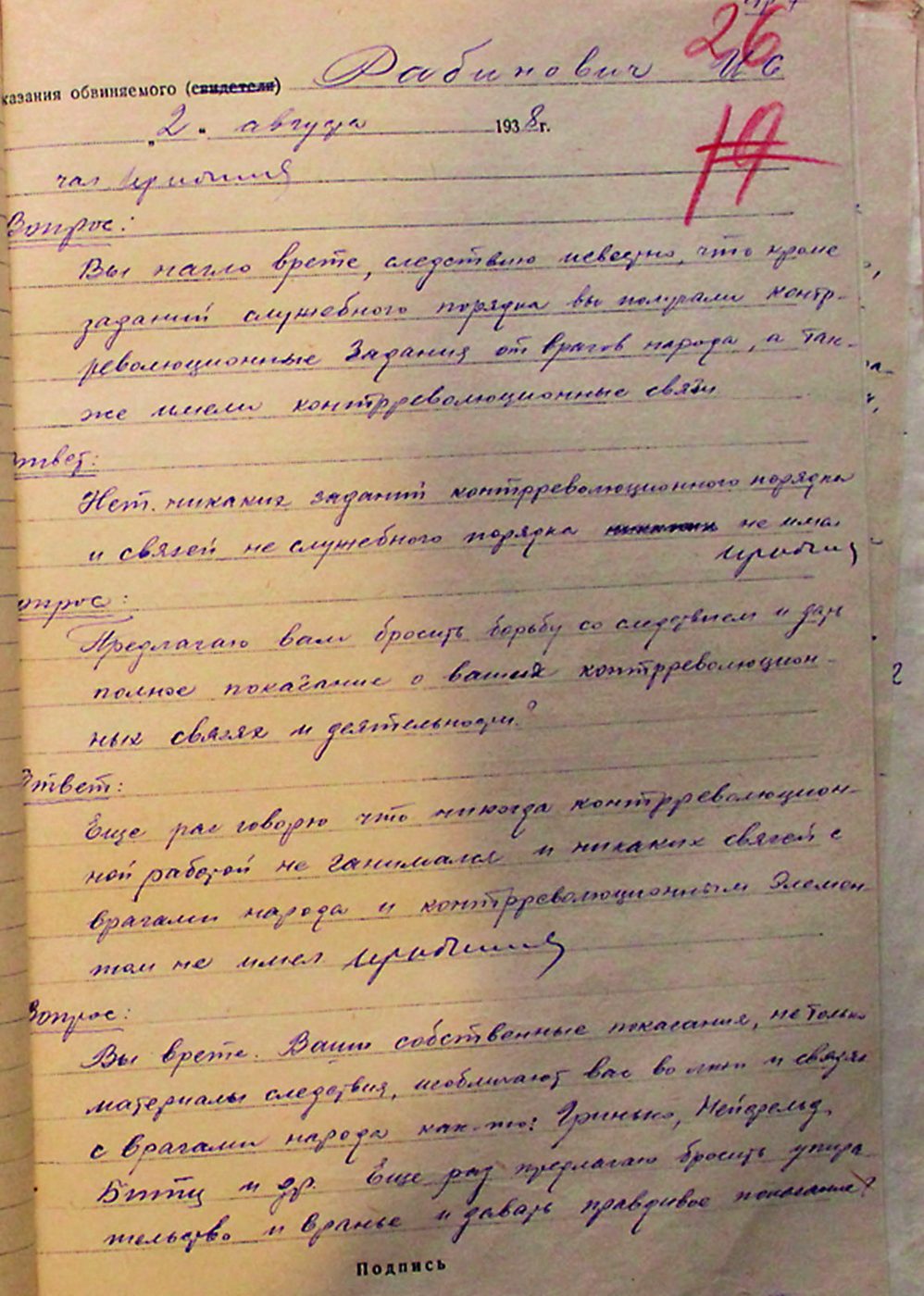
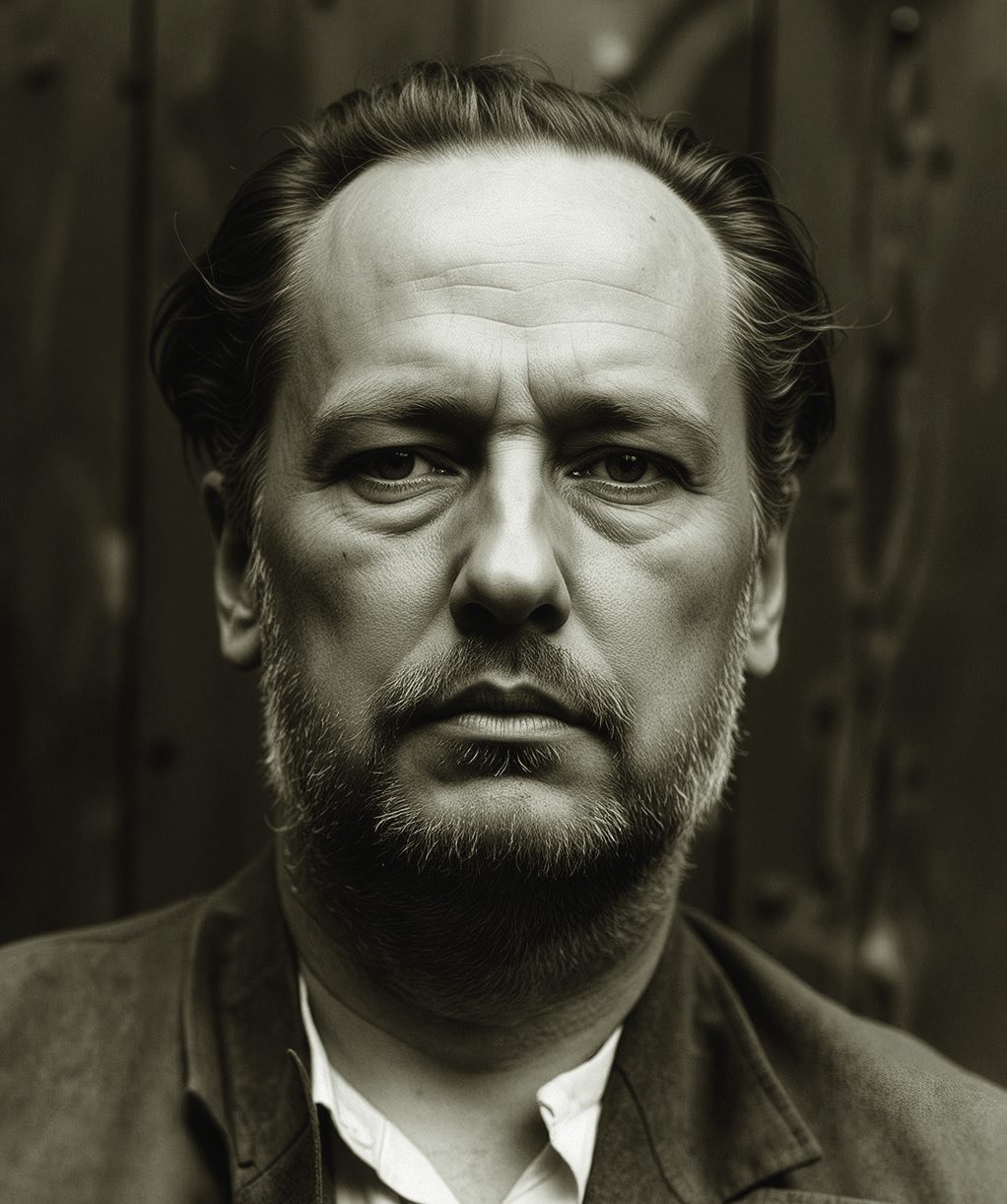
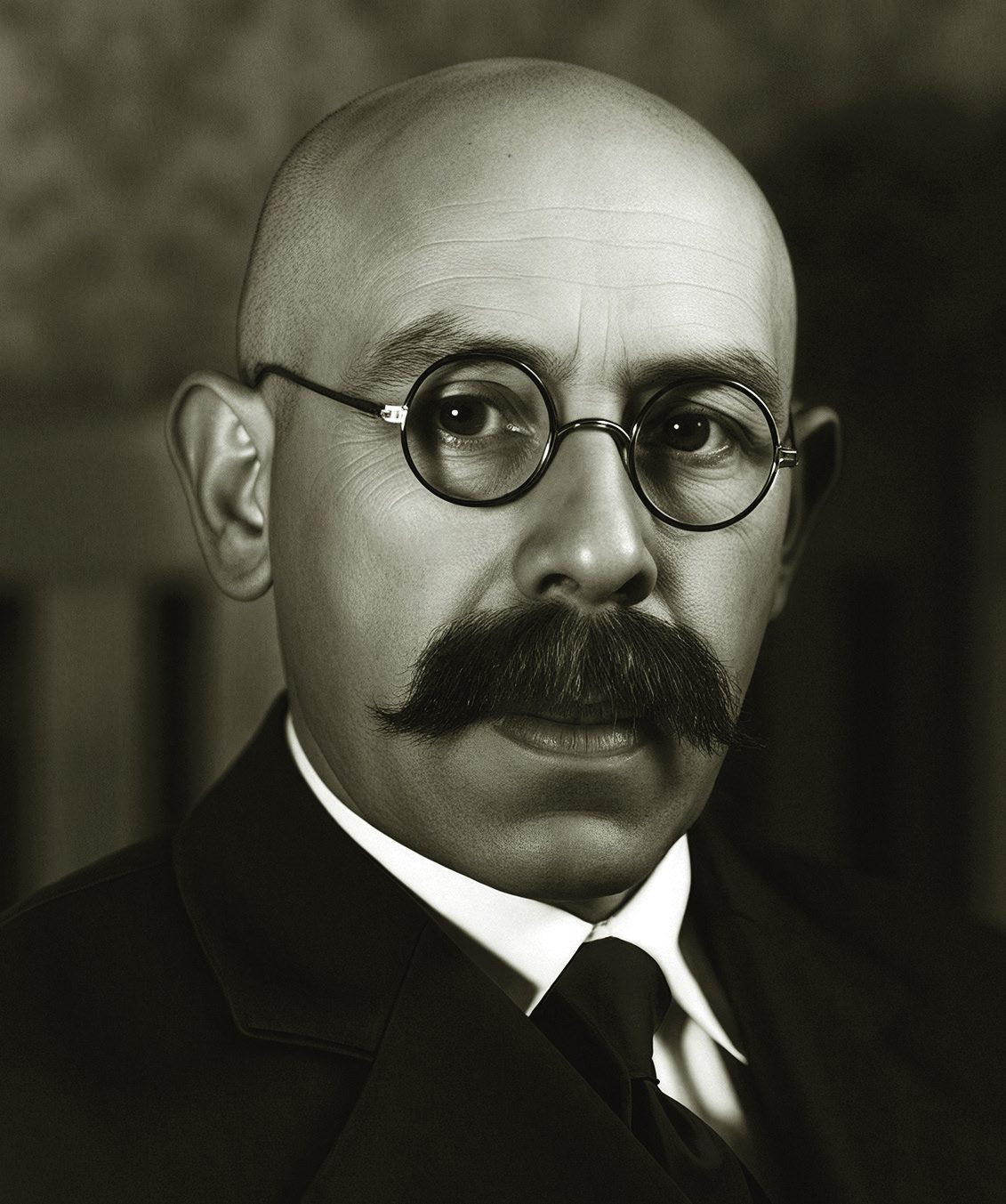
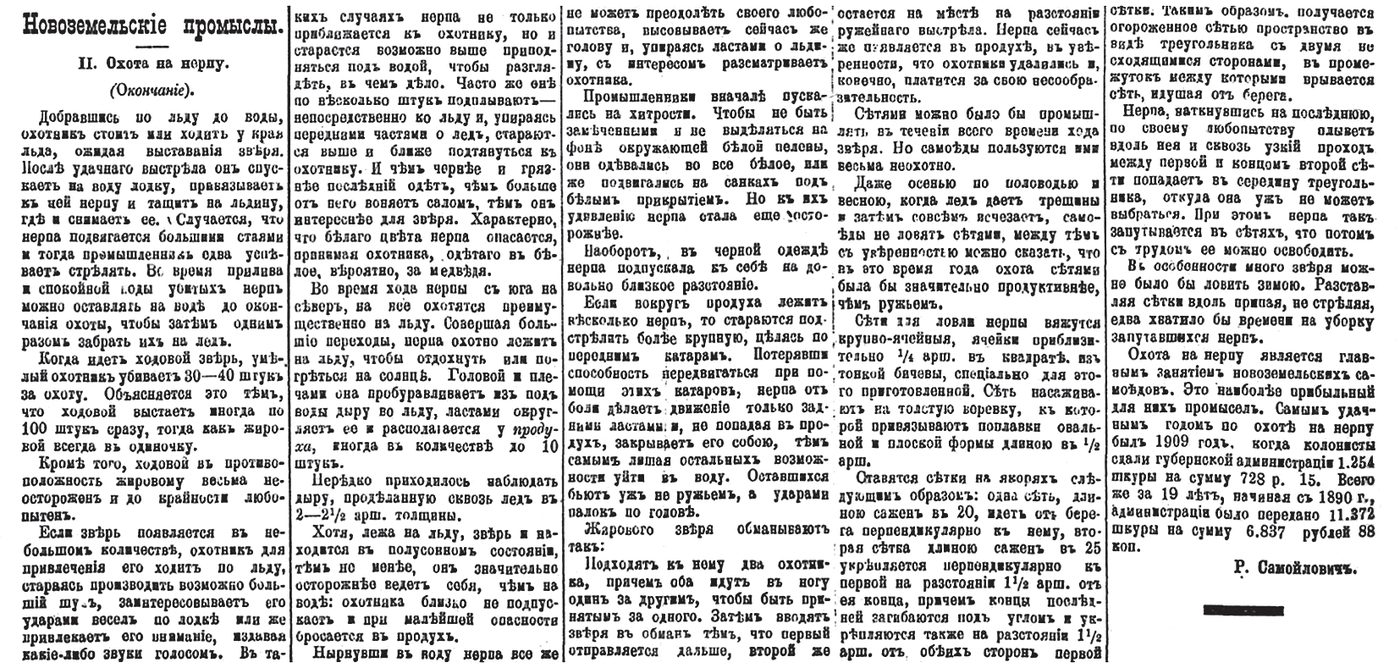
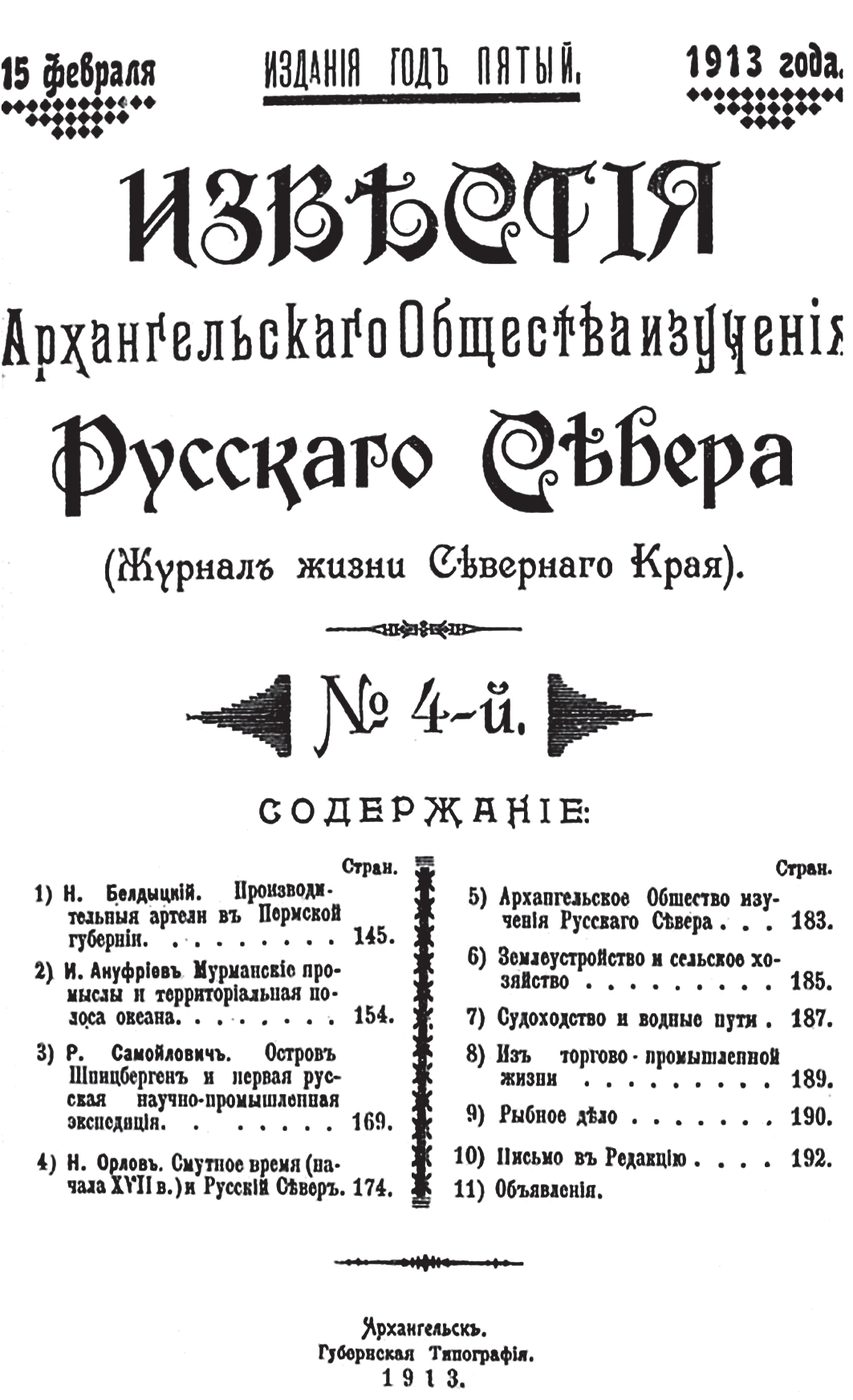
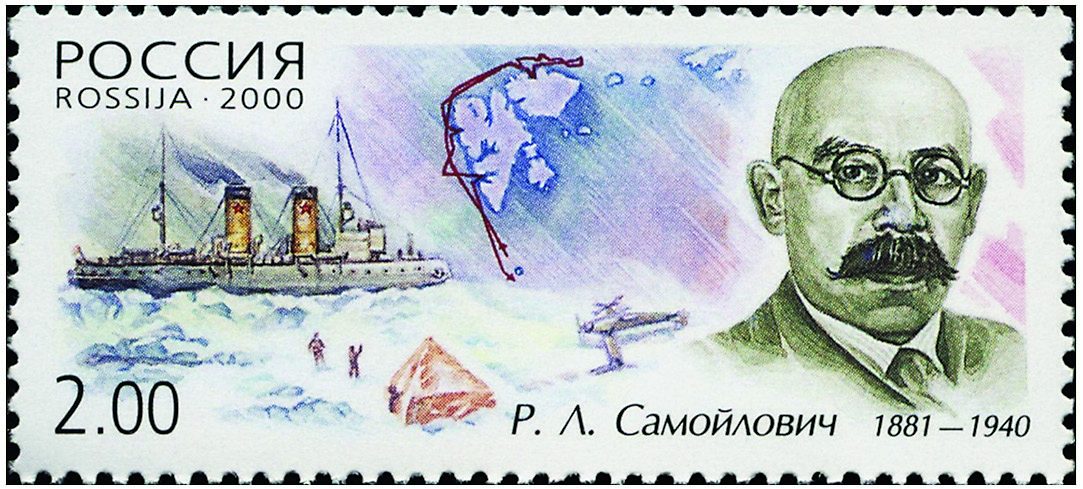
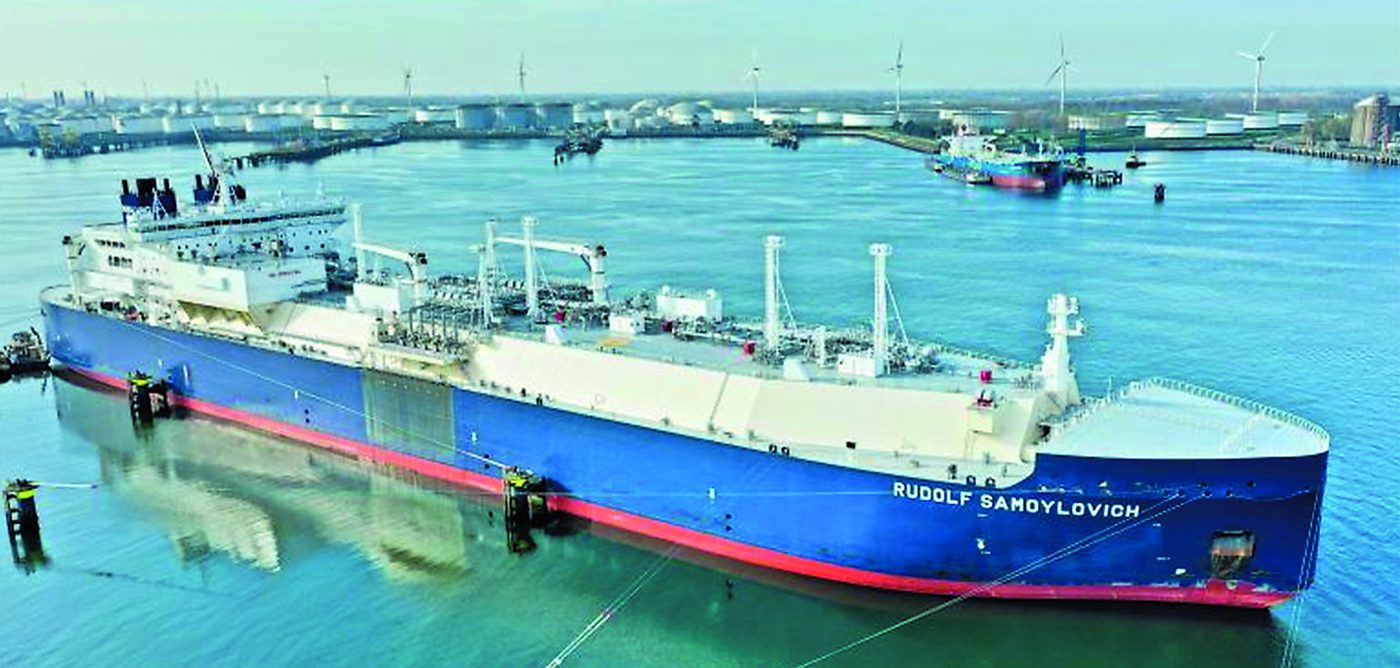
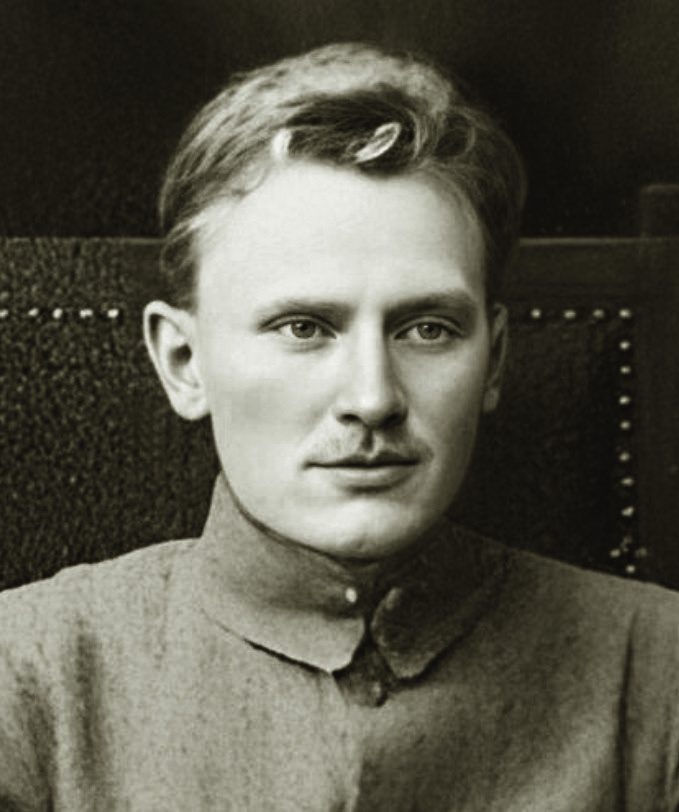
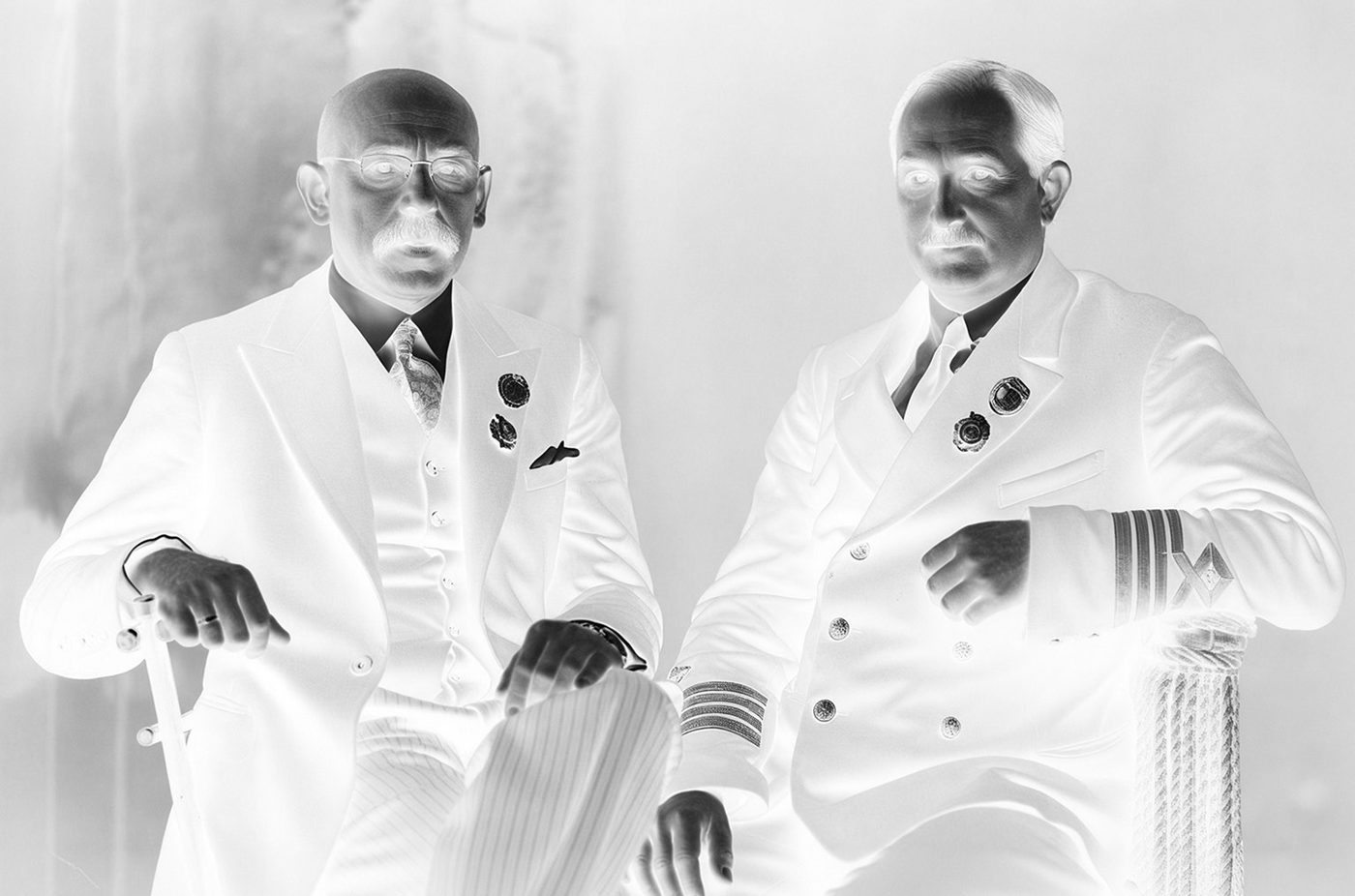
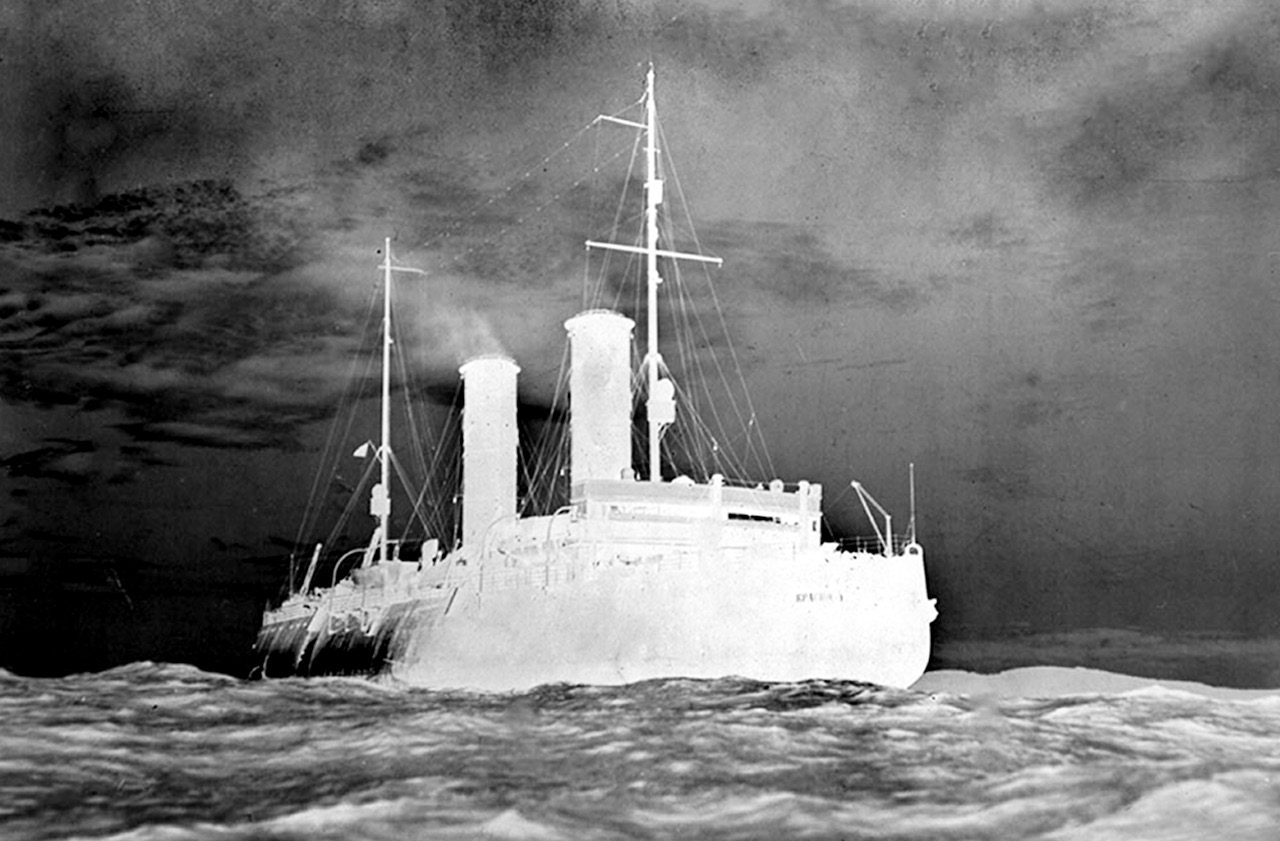
Notes